1 Affinity Law for Your Compassionate Legal Support
At Affinity Law in Toronto, we understand the shock, pain, and financial turmoil that follow a slip and fall. We are a dedicated team of personal injury lawyers in Toronto who focus on helping victims of negligence. We believe that property owners must be held accountable for maintaining safe environments for the public. If you or a loved one has been injured due to a wet floor in a restaurant, mall, public restroom, or any other commercial property, we are here to provide the expert legal guidance and aggressive representation you need. Our goal is to ensure you receive the maximum compensation you deserve to recover and rebuild your life.
2 Understanding Wet Floor Accidents in Toronto
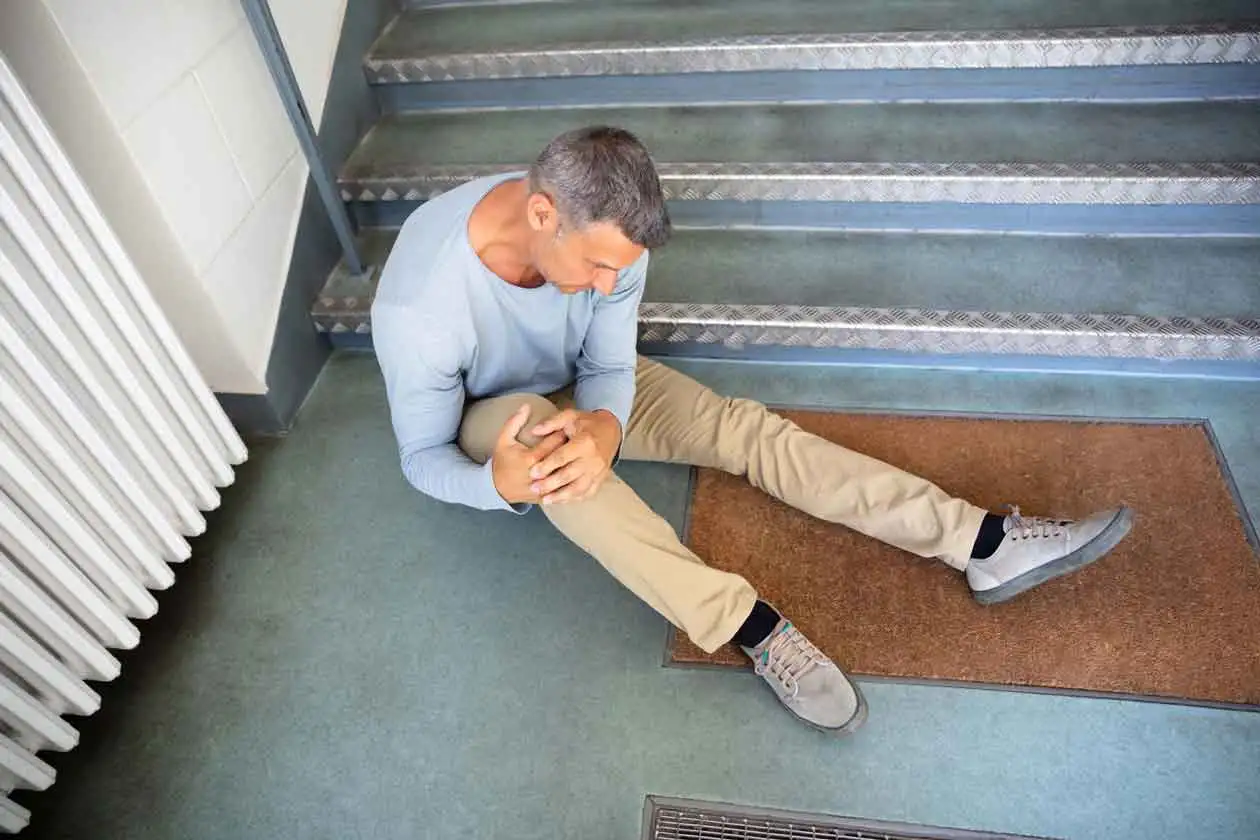
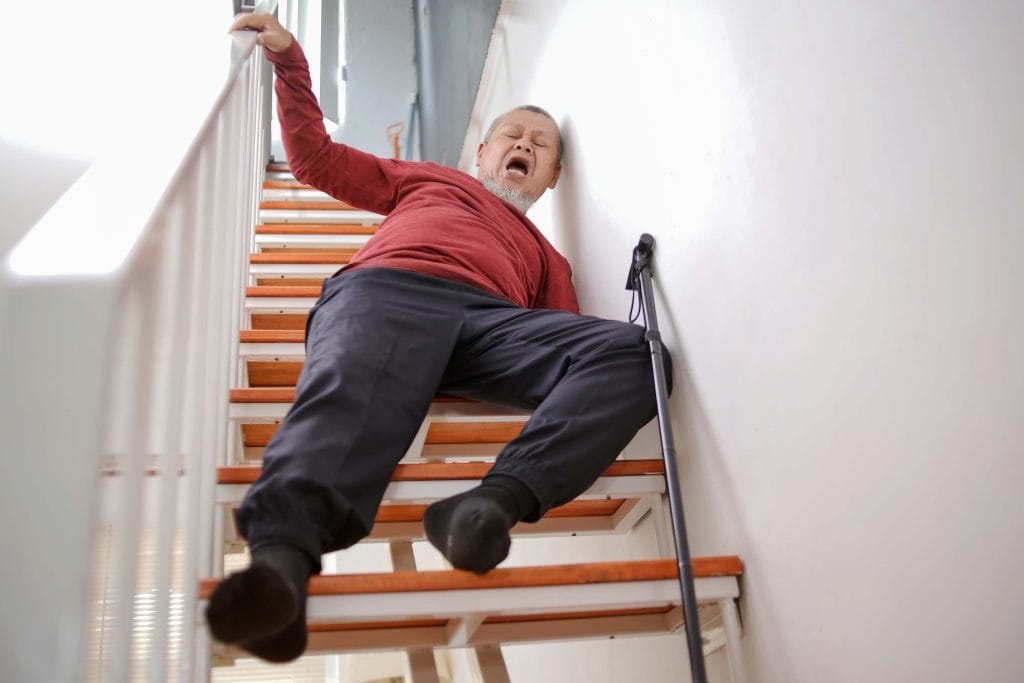
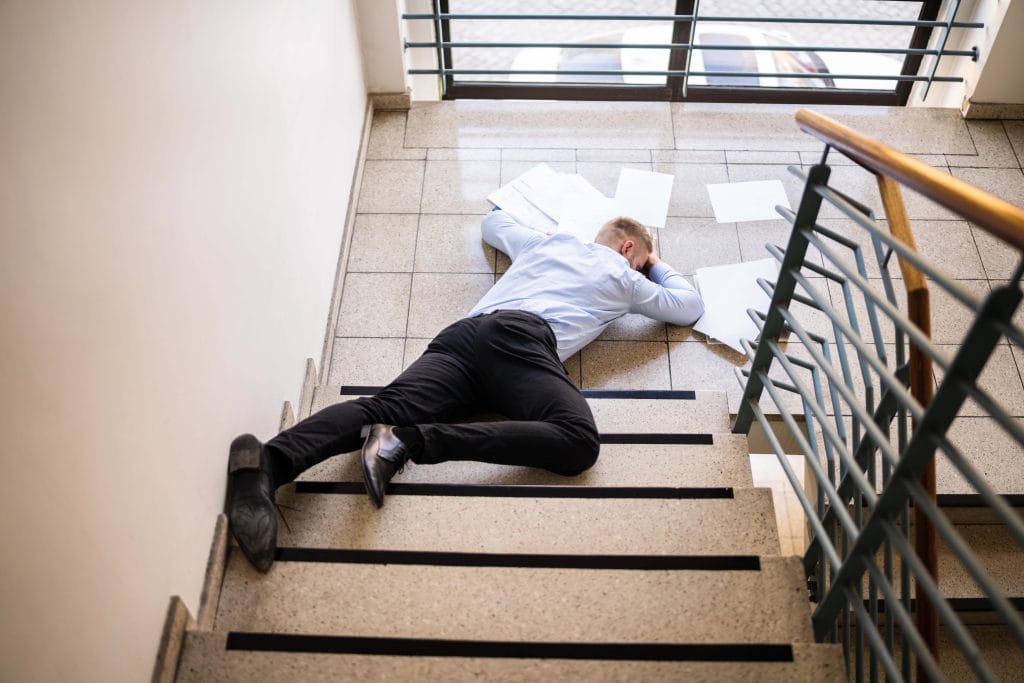
Wet floor slip and fall accidents represent one of the most common causes of personal injury claims in Canada. These incidents typically occur when property owners or managers fail to address hazardous conditions promptly.
The Toronto Occupiers’ Liability Act establishes clear responsibilities for property owners. Under the Occupiers’ Liability Act, property owners, tenants, and managers must keep visitors safe on their property and have a duty to take such care as is reasonable in the circumstances to see that persons entering the premises are reasonably safe.
Common wet floor accident scenarios include:
- Freshly mopped floors without warning signs
- Leaking pipes or roof damage create standing water
- Spilled beverages or food in dining areas
- Overflowing toilets in public restrooms
- Condensation from air conditioning systems
- Tracked in rain or snow near entrances
3 Types of Injuries from Wet Floor Accidents
Wet floor injuries range from minor bruises to life-altering disabilities. The sudden, unexpected nature of these falls often results in severe trauma, as victims cannot prepare for impact.
1. Immediate Injuries
Common immediate injuries include:
- Bruises and abrasions from impact
- Sprains and strains to joints and muscles
- Cuts and lacerations from sharp objects
- Dislocated joints, particularly shoulders and hips
2. Serious Long-Term Injuries
More severe accidents are caused.
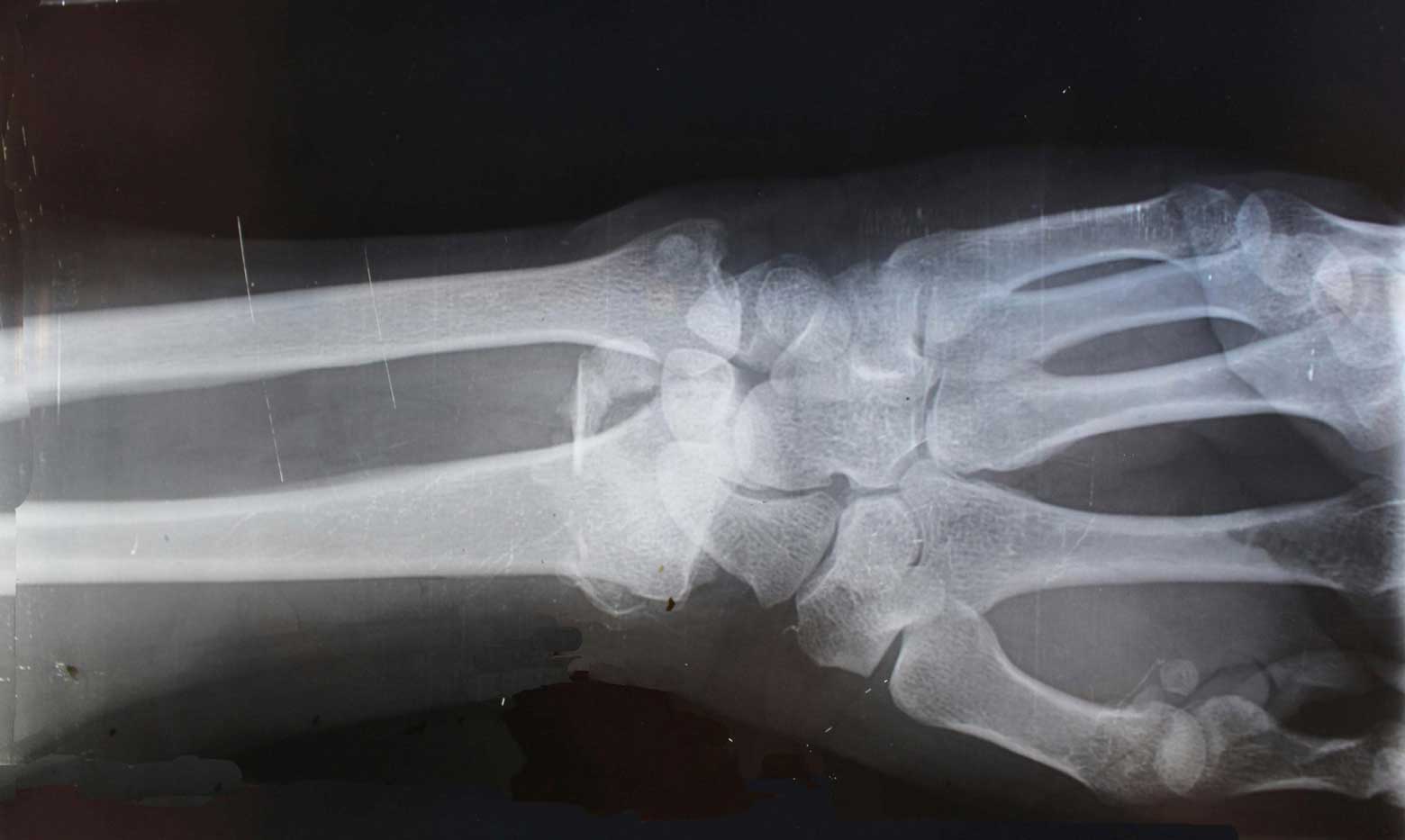
- Fractured bones, especially wrists, hips, and ankles
- Spinal cord injuries affecting mobility
- Traumatic brain injuries from head impact
- Chronic pain conditions require ongoing treatment
3. Hidden Injuries
Some injuries don’t manifest immediately.
- Soft tissue damage is becoming apparent days later
- Psychological trauma develops over time
- Aggravation of pre-existing conditions
- Secondary infections from open wounds
Medical documentation proves essential for all injury types. Delayed medical attention can undermine your claim’s credibility and legal value.
Contact us at info@affinity.law or call 647-492-4489 for a free consultation.
4 Taking Action After a Wet Floor Accident
Immediate action following a wet floor accident significantly impacts your legal rights and potential compensation. Follow these essential steps to protect your interests:
1. Immediate Steps at the Scene
Document everything possible while at the accident location:
- Take photographs of the wet area and the surrounding conditions
- Identify and speak with any witnesses present
- Report the incident to property management immediately
- Request copies of any incident reports filed
- Note lighting conditions, weather, and other relevant factors
2. Seek Medical Attention
Even seemingly minor injuries require professional evaluation. Some serious conditions don’t present symptoms immediately. Medical records also provide crucial documentation for your claim.
3. Preserve Evidence
Keep all documentation related to your accident.
- Medical records and treatment receipts
- Photographs of your injuries as they heal
- Documentation of lost wages and expenses
- Correspondence with property owners or insurers
4. Avoid Common Mistakes
Several actions can damage your claim:
- Providing recorded statements to insurance companies
- Accepting quick settlement offers without legal review
- Delaying medical treatment or missing appointments
- Discussing fault or making admissions at the scene
5 The Law in Ontario: The Occupiers' Liability Act
The foundation for almost every slip and fall claim Toronto residents file is the Occupiers’ Liability Act of Toronto. This crucial piece of legislation dictates the responsibilities of those who have control over a property. Understanding this act is the first step in building a successful case. An experienced wet floor accident lawyer in Toronto from Affinity Law can navigate the complexities of this act for you.
The act states that an “occupier” of premises owes a duty of care to ensure that people entering the premises are reasonably safe while on the property. This duty applies whether the danger is caused by the condition of the premises or by an activity carried out on the premises.
Who is an ‘Occupier’?
The term ‘occupier’ is broader than just the property owner. According to the Occupiers’ Liability Act, an occupier can be
- A person who is in physical possession of the premises.
- A person who has responsibility for, and control over, the condition of the premises or the activities carried on there.
- A person who has control over who is allowed to enter the premises.
This means that a claim can potentially be made against a property owner, a tenant (like a restaurant leasing space in a mall), a property management company, or even a contracted cleaning service. Identifying all potential occupiers is a critical task for your personal injury lawyer in Toronto.
What is the ‘Reasonable Standard of Care’?
The law does not require occupiers to guarantee safety in all circumstances. Instead, it requires them to take “reasonable steps” to keep the property safe. What is considered “reasonable” depends on the specific circumstances of the case.
Examples of reasonable care include
- Having a clear system for regular inspection and cleaning of floors.
- Maintaining detailed cleaning and inspection logs.
- Placing prominent warning signs when the floors are wet.
- Using absorbent mats at entrances during rainy or snowy weather and ensuring they are regularly changed.
- Promptly repairing leaks or other conditions that cause floors to become wet.
- Providing adequate training to staff on safety procedures.
If an occupier fails to take these or similar measures, they have likely breached their duty of care, establishing negligence.
Contact us at info@affinity.law or call 647-492-4489 for a free consultation.
6 The 60-Day Notice Requirement in Toronto
Recent changes to Toronto law significantly impact wet floor accident claims. The new law requires slip and fall claimants to provide written notice to a property owner, property manager, snow removal contractor, or tenant within 60 days of the incident.
This 60-day notice requirement represents a dramatic reduction from the previous two-year timeframe. The written notice must include:
- Exact location of the accident
- Date and time of the incident
- Description of the hazardous condition
- Contact information for the injured party
Failure to provide a timely notice can bar your claim entirely. This makes immediate legal consultation essential for accident victims.
7 Building a Strong Slip and Fall Claim in Toronto
To secure the compensation you deserve, you must prove that the occupier was negligent. This requires more than simply stating that you fell on a wet floor. It requires building a case supported by strong, compelling evidence. The actions you take in the minutes, hours, and days following your accident can be crucial to the success of your personal injury claim.
8 What to Do Immediately After a Wet Floor Accident
If you are physically able, taking the following steps can protect your health and your legal rights:
- Seek Medical Attention: Your health is the top priority. Call for medical help immediately. Tell the doctors exactly how the fall happened. A detailed medical record is a vital piece of evidence.
- Report the Incident: Inform the manager or owner of the property about your fall. Insist that they create a formal incident report and ask for a copy.
- Document the Scene: Use your smartphone to take pictures and videos of the exact spot where you fell. Capture the wet substance, the surrounding area, and the lack of any warning signs. Take photos from multiple angles.
- Get Witness Information: If anyone saw you fall, get their full name and contact information. Independent witness testimony can be incredibly powerful.
- Preserve Your Clothing: Keep the shoes and clothing you were wearing at the time of the fall in a safe place. Do not wash them. They may be important evidence.
- Contact a Lawyer: Before you speak to any insurance adjusters, contact an experienced slip and fall lawyer in Toronto. The legal team at Affinity Law can provide a free consultation to assess your case and advise you on the next steps.
9 Proving Liability in Wet Floor Cases
Successful wet floor accident lawsuits require establishing four key elements: duty of care, breach of duty, causation, and damages. Each element presents unique challenges requiring experienced legal representation.
1. Duty of Care
Property owners owe visitors a duty of reasonable care. The “duty of care” in Toronto requires a person, group, or entity to act toward others and the general public with an established minimum of care.
The specific duty varies based on
- The visitor’s status (invitee, licensee, or trespasser)
- The property’s intended use
- The foreseeability of harm
- Industry standards and practices
2. Breach of Duty
Proving breach requires demonstrating that the property owner failed to meet reasonable standards. This might involve
- Inadequate inspection procedures
- Delayed response to known hazards
- Failure to provide appropriate warnings
- Insufficient staff training
- Poor maintenance protocols
3. Evidence Collection for Wet Floor Claims
Strong evidence forms the foundation of successful claims. Our Toronto personal injury lawyers work immediately to preserve crucial evidence before it disappears.
Critical evidence includes
- Photographs of the accident scene
- Security camera footage
- Incident reports filed with property management
- Witness statements from other visitors
- Maintenance logs and cleaning schedules
- Weather reports for outdoor slip areas
We also examine
- Employee training records
- Previous accident reports at the same location
- Industry safety standards and best practices
- Building code compliance documentation
10 Compensation Available for Wet Floor Accident Victims
Wet floor accident settlements in Toronto vary significantly based on injury severity, liability determination, and long-term impact on the victim’s life. In Toronto, the average settlement amount for a slip and fall case is anywhere from $10,000 to $418,000.
1. Economic Damages
Victims can recover quantifiable financial losses:
- Medical expenses, including emergency treatment, surgery, and rehabilitation
- Lost wages during recovery and reduced earning capacity
- Transportation costs for medical appointments
- Home modification expenses for accessibility needs
- Future medical care requirements
2. Non-Economic Damages
Toronto law also recognizes intangible losses:
- Pain and suffering endured during recovery
- Loss of enjoyment of life activities
- Emotional distress and psychological impact
- Loss of companionship for married victims
3. Factors Affecting Compensation
Several factors influence settlement amounts:
- Severity and permanence of injuries
- The victim’s age and life expectancy
- Pre-accident health and activity level
- Clear evidence of property owner negligence
- Impact on family relationships and caregiving needs
11 The Importance of Warning Signs
Wet floor warning signs play a crucial role in liability determination. Such care can include cleaning up spills promptly and placing a “Wet Floor” sign.
Proper warning signage must be
- Visible from all approach angles
- Appropriately sized for the hazard area
- Placed immediately when hazards develop
- Maintained in good condition and readable
However, warning signs don’t automatically eliminate liability. Property owners must still address the underlying hazard promptly and ensure signs remain effective.
12 Time Limits for Filing Claims
Statute of limitations rules strictly govern accident claims in Toronto. It’s important to be aware of the statute of limitations for filing a slip and fall claim in Toronto, which is generally two years from the date of the accident.
The two-year limitation period begins from the accident date, not from when injuries fully manifest. This creates urgency for victims experiencing delayed symptoms or complications.
Limited exceptions may extend filing deadlines:
- Victims under 18 years of age
- Mental incapacity preventing claim filing
- Discovery of injuries significantly after the accident
- Fraudulent concealment of evidence by defendants
These exceptions require careful legal analysis and documentation to support their application.
13 Why Choose Affinity Law for Your Wet Floor Accident Case
At Affinity Law, our Toronto slip and fall lawyers bring extensive experience handling complex wet floor accident claims. We understand the unique challenges these cases present and develop comprehensive strategies for success.
1. Our Proven Approach
We begin every case with a thorough investigation and evidence preservation. Our team works quickly to secure:
- Professional accident scene documentation
- Expert witness testimony on safety standards
- Comprehensive medical evaluation and prognosis
- Detailed analysis of property owner responsibilities
2. No Fee Unless We Win
We operate on a contingency fee basis for personal injury claims. This means you pay no legal fees unless we secure compensation for your injuries. Our interests align completely with yours throughout the legal process.
14 Contact Affinity Law Today
Wet floor accidents shouldn’t derail your life due to someone else’s negligence. The decisions you make now can have a significant impact on your future. The insurance companies have lawyers working to protect their interests; you need an expert on your side to protect yours. Let our dedicated team of personal injury lawyers take on the legal burden so you can focus on what matters most: your recovery.
Don’t let time limits or complex legal procedures prevent you from seeking justice.
Call us today to discuss your wet floor accident claim. We’re ready to fight for your rights and secure the compensation you need to move forward.
Contact us at info@affinity.law or call 647-492-4489 for a free consultation.