1 Understanding Slip and Fall Accidents in Commercial Properties
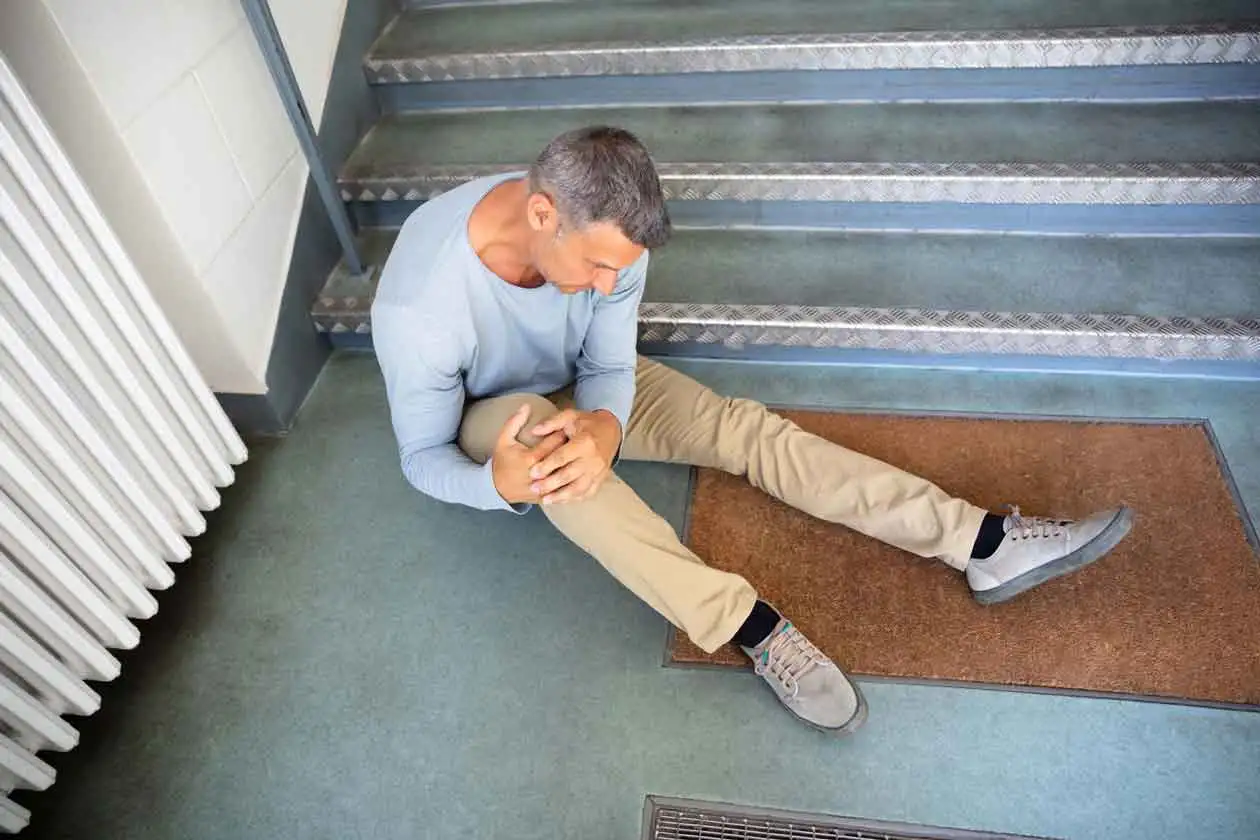
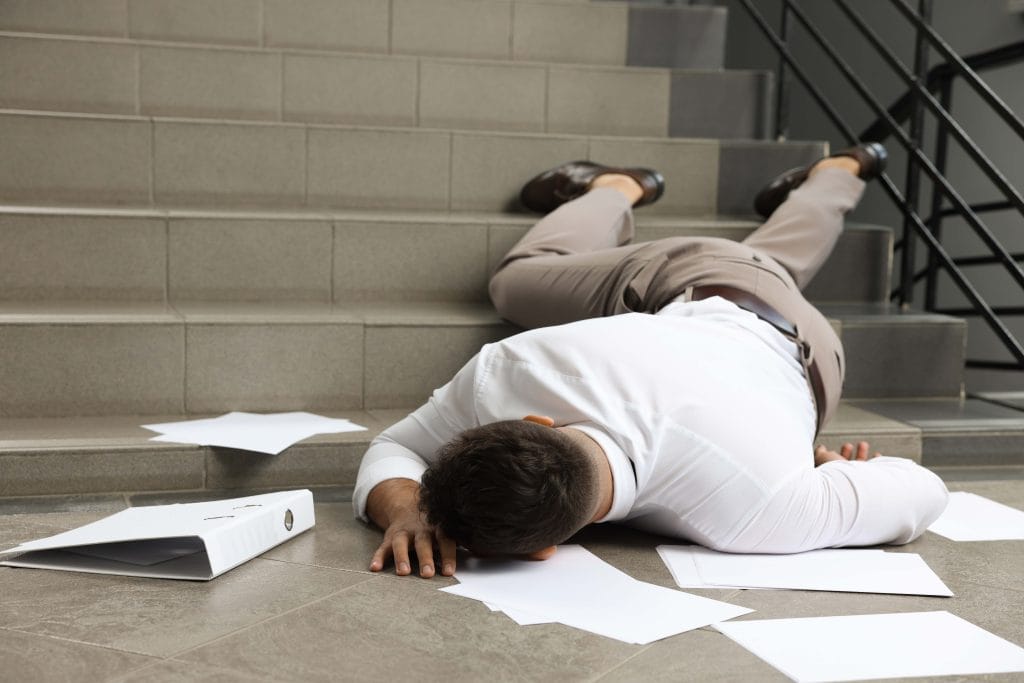
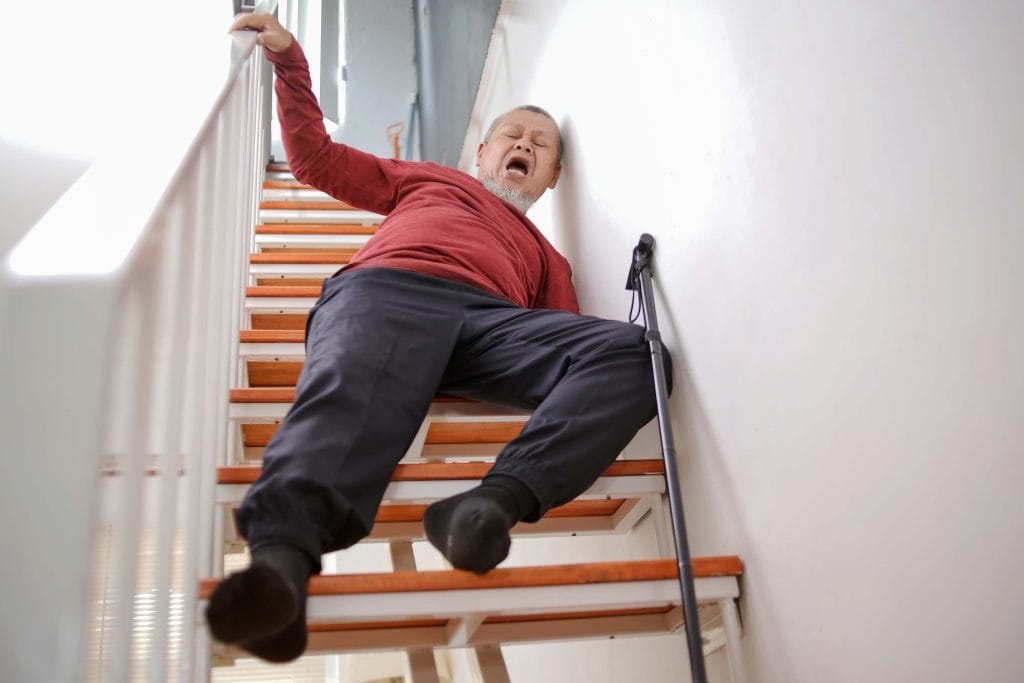
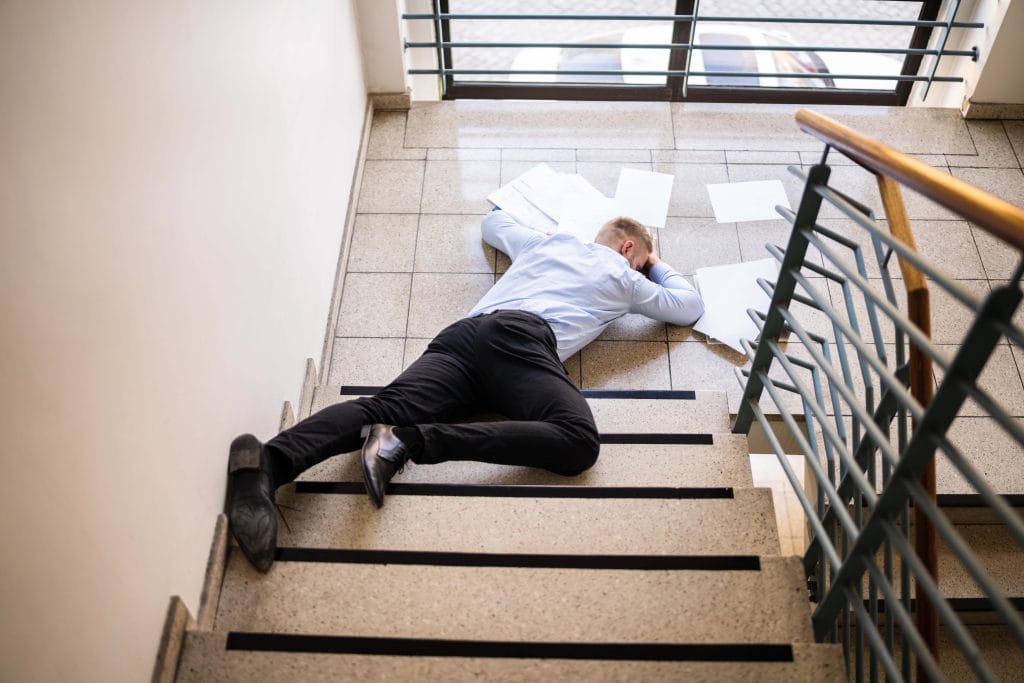
Slip and fall accidents in stores and supermarkets occur when customers lose their footing due to hazardous conditions on the property. These incidents fall under premises liability law, which holds property owners and occupiers responsible for maintaining safe conditions for visitors.
Common causes of store slip and fall accidents include wet or slippery floors from cleaning activities, spilled liquids or food items, defective flooring materials, inadequate lighting in aisles or parking areas, cluttered walkways with merchandise or equipment, and worn or damaged carpeting or floor surfaces.
The Ontario Occupiers’ Liability Act establishes the legal framework for these cases. Under this legislation, property owners and occupiers have to take reasonable care to ensure visitors are safe while on their premises. This means they must regularly inspect their property, address known hazards promptly, and warn visitors of potential dangers.
2 Types of Store and Supermarket Accidents We Handle
Our slip and fall lawyers in Toronto team handle various types of accidents that occur in commercial retail environments. Each type of accident presents unique legal challenges that require specialized knowledge and experience.
- Grocery store slip and fall accidents are among the most common premises liability cases. Supermarkets present numerous hazards, including produce sections with water spray systems, freezer sections that may leak, checkout areas with dropped items, and entrance areas that become wet during inclement weather.
- Department store accidents often involve escalator incidents, merchandise falling from high shelves, inadequate lighting in changing rooms or storage areas, and overcrowded aisles during sales events. These large retail spaces present unique challenges in proving negligence and establishing liability.
- Pharmacy and drugstore accidents frequently occur due to spilled medications or products, narrow aisles packed with merchandise, wet floors from cleaning chemicals, and inadequate lighting near prescription counters. These cases require careful investigation to determine if proper safety protocols were followed.
- Shopping mall accidents encompass incidents in common areas, food courts with spilled beverages and food, parking garages with poor lighting or drainage issues, and restroom facilities that aren’t properly maintained. Mall operators have specific responsibilities for maintaining safe common areas.
3 Legal Framework: Ontario Occupiers' Liability Act
The Occupiers’ Liability Act of Ontario serves as the foundation for all slip and fall claims in stores and supermarkets. This legislation defines who can be held liable and establishes the standard of care required from property owners and occupiers.
Section 3(1) of the Occupiers’ Liability Act requires occupiers to take reasonable care in all circumstances to ensure visitors and their property are safe while on the premises. This duty extends to both the physical condition of the property and the activities conducted there.
The Act recognizes different categories of visitors, each owed varying degrees of care. Customers in stores are considered “invitees” and are owed the highest duty of care. Property owners must actively inspect their premises, identify potential hazards, and take reasonable steps to eliminate dangers or warn visitors.
Proving negligence in a store slip and fall case requires demonstrating that the occupier failed to meet the reasonable standard of care. This involves showing that a dangerous condition existed, the occupier knew or should have known about the hazard, and they failed to take appropriate action to address it.
The concept of “constructive notice” is crucial in these cases. Even if the store owner didn’t know about a specific hazard, they can still be held liable if they should have discovered it through reasonable inspection procedures. This is why stores must maintain regular cleaning and inspection schedules.
Contact us at info@affinity.law or call 647-363-7677 for a free consultation.
4 Common Causes of Slip and Fall Injuries in Retail Environments
Understanding the typical causes of retail store accidents helps identify liability and build stronger cases for injured victims. Each cause presents different challenges in proving negligence and securing compensation.
- Wet floor accidents represent the most frequent type of store slip and fall. These occur when floors become wet from cleaning activities, leaking refrigeration units, spilled beverages, tracked-in rain or snow, and broken pipes or plumbing issues. Stores must implement proper warning systems and cleaning protocols to prevent these accidents.
- Spilled merchandise creates another significant hazard in retail environments. Dropped food items in grocery stores, scattered products knocked from shelves, liquid spills from broken containers, and oil or grease from prepared food sections all contribute to dangerous walking surfaces. Stores must conduct frequent inspections and clean up spills immediately.
- Lighting deficiencies contribute to many supermarket injuries. Poor lighting in parking areas, dimly lit storage or back room areas, burned-out bulbs in shopping aisles, and inadequate emergency lighting create conditions where customers cannot see potential hazards. Proper lighting maintenance is essential for customer safety.
- Structural defects in flooring and walkways cause numerous accidents. Uneven surfaces from settling or wear, loose or missing floor tiles, torn or bunched carpeting, and damaged threshold strips between different flooring materials all present tripping hazards that property owners must address promptly.
- Weather-related hazards pose particular challenges for store owners. Snow and ice tracked in from outside, wet floors from an umbrella dripping, condensation from temperature differences, and inadequate entrance mats all contribute to slippery conditions that must be managed effectively.
5 How Affinity Law Builds Your Winning Case
Successfully pursuing a store slip and fall claim requires thorough preparation and a strategic legal approach. Our Toronto slip and fall attorneys at Affinity Law follow proven methods to build compelling cases for our clients.
- Immediate evidence collection forms the foundation of any successful case. This includes photographing the accident scene, documenting the hazardous condition, preserving security camera footage, and gathering witness contact information. Time is critical as stores may quickly repair or clean the area, eliminating crucial evidence.
- Incident reporting plays a vital role in establishing the facts of the case. Victims should insist on filing an official incident report with store management, obtain a copy of this report, and ensure all details are accurately recorded. Many stores will try to minimize the severity of the incident or suggest the victim was at fault.
- Medical documentation provides essential proof of injuries and their connection to the accident. Victims should seek immediate medical attention, follow all treatment recommendations, and maintain detailed records of all medical expenses and lost wages. This documentation supports claims for both current and future damages.
- Expert witness testimony often proves crucial in complex cases. Safety experts can testify about proper maintenance procedures, accident reconstruction specialists can explain how the incident occurred, and medical experts can discuss the long-term impact of injuries. These professionals help establish negligence and quantify damages.
- Store policies and procedures must be thoroughly examined to determine if proper safety protocols were followed. This includes reviewing cleaning schedules, inspection logs, training records, and incident response procedures. Failures to follow established safety protocols can demonstrate negligence.
6 Notice Requirements Under Ontario Law
Recent changes to Ontario law have significantly shortened the notice period for slip and fall claims, requiring written notice to property owners within 60 days of the incident. This represents a dramatic reduction from the previous two-year period and makes immediate legal action essential.
- The 60-day notice requirement applies to slip and fall accidents on private property, including stores, supermarkets, and shopping centers. For accidents on public property, the notice period is even shorter at just 10 days. Failure to provide proper notice within these timeframes can result in the complete loss of your right to pursue compensation.
- Proper notice content must include specific information about the incident. The written notice must contain the exact location of the accident, the date and time it occurred, a description of the hazardous condition, and details about the injuries sustained. Incomplete or inaccurate notices may not satisfy legal requirements.
- Serving notice requires careful attention to ensure it reaches the proper parties. Notice must be provided to the property owner, property manager, and any relevant contractors, such as cleaning or maintenance companies. Our legal team ensures proper service to all potentially liable parties.
- Exceptions to notice requirements may apply in certain circumstances, but these are limited and fact-specific. Courts may excuse late notice in cases involving incapacity, where the injured party was unaware of their right to claim, or in other exceptional circumstances. However, relying on exceptions is risky and should be avoided whenever possible.
7 Compensations Available for Store Slip and Fall Victims
Victims of store and supermarket accidents may be entitled to various forms of compensation depending on the severity of their injuries and the impact on their lives. Our slip and fall lawyers work diligently to secure maximum compensation for every client.
- Medical expenses represent the most immediate and quantifiable damages. This includes hospital bills, surgery costs, rehabilitation expenses, prescription medications, and ongoing therapy requirements. Future medical costs must also be considered, particularly for serious injuries requiring long-term care.
- Lost income compensation covers wages lost due to the inability to work following the accident. This includes not only current lost wages but also future earning capacity if the victim cannot return to their previous employment or work at the same level. Self-employed individuals face particular challenges in documenting lost income.
- Pain and suffering damages recognize the physical pain and emotional distress caused by the accident. These non-economic damages can be substantial in cases involving serious injuries or permanent disability. Factors considered include the severity of pain, impact on daily activities, and effect on relationships and quality of life.
- Disability and disfigurement awards compensate victims for permanent physical limitations or scarring resulting from their injuries. These damages consider the victim’s age, occupation, and lifestyle to determine appropriate compensation for their altered circumstances.
- Out-of-pocket expenses include various costs associated with the injury that insurance may not cover. This can include transportation to medical appointments, home modifications for accessibility, assistive devices, and family care expenses.
Contact us at info@affinity.law or call 647-363-7677 for a free consultation.
8 The Investigation Process in Store Slip and Fall Cases
Thorough investigation forms the backbone of successful slip and fall litigation. Our legal team employs comprehensive investigation techniques to uncover all relevant evidence and establish liability.
- Scene examination must be conducted as quickly as possible after the accident. Our investigators photograph the accident location from multiple angles, measure relevant distances and heights, test surface conditions, and identify potential contributing factors that may not be immediately obvious.
- Security footage provides crucial objective evidence of how the accident occurred. Many stores have extensive camera systems that capture incidents in real-time. We immediately request preservation of all relevant footage and work with experts to analyze the recordings frame by frame.
- Witness interviews help establish the facts surrounding the accident. Customers, employees, and other individuals present at the time may have observed important details about the hazardous condition or the accident itself. We conduct thorough interviews while memories are still fresh.
- Document discovery involves obtaining all relevant records from the store owner. This includes incident reports, maintenance logs, cleaning schedules, employee training records, and previous accident reports. These documents often reveal patterns of negligence or inadequate safety procedures.
- Expert analysis provides professional insight into various aspects of the case. Safety engineers can evaluate whether proper procedures were followed, medical experts can explain the extent of injuries, and accident reconstruction specialists can demonstrate how the incident occurred.
9 Medical Treatment and Documentation After a Store Accident
Proper medical care and documentation following a slip and fall accident are crucial both for your health and for any potential legal claim.
- Immediate medical attention should be sought even if injuries seem minor. Some serious injuries, such as concussions or internal injuries, may not be immediately apparent. Having medical records from the day of the accident helps establish the connection between the incident and your injuries.
- Follow-up care must be consistent and thorough. Attending all medical appointments, following treatment recommendations, and completing prescribed therapy programs demonstrate the seriousness of your injuries and your commitment to recovery.
- Medical records provide essential documentation for your claim. Keep copies of all medical reports, test results, prescriptions, and bills related to your accident. This documentation supports your claim for medical expenses and demonstrates the extent of your injuries.
- Work restrictions should be properly documented if your injuries affect your ability to perform your job. Obtain written statements from your doctors about any limitations on your activities and follow these restrictions to avoid further injury.
- Pain journals can help document the ongoing impact of your injuries on your daily life. Recording pain levels, sleep difficulties, and limitations on activities provides valuable evidence of how the accident has affected your quality of life.
10 Why Affinity Law is Your Strongest Ally
In the fight against large corporations and their insurance companies, you need a powerful advocate in your corner.
- Focused Expertise: We are personal injury lawyers. We have specific, in-depth experience handling slip and fall claims in Toronto and navigating the complexities of the Occupiers’ Liability Act.
- A Record of Success: We have a proven track record of securing substantial settlements for our clients, ensuring they have the resources they need to heal and rebuild.
- No Win, No Fee Guarantee: We work on a contingency fee basis. This means you pay absolutely no legal fees unless and until we win your case. There is zero financial risk to you.
- Unwavering Dedication: We are more than just your lawyers; we are your partners in this process. We provide compassionate, personalized service and are always available to answer your questions and address your concerns.
You have been injured because a store failed to keep you safe. You have the right to demand accountability and compensation. Let Affinity Law be your voice.
Call us now or fill out our online form to schedule your free, confidential, and no-obligation consultation.
Contact us at info@affinity.law or call 647-363-7677 for a free consultation.