This week only: Reduced Legal Fees

phone-icon

Call us today +1 (844) 786-5291

Practice Areas / Personal Injury & Disability / Head-On Collisions

Personal Injury & Disability

Free consultation

Free consultation

Name(Required)

Head-on collisions are one of the deadliest types of motor vehicle crashes in Ontario, inflicting tragic injury on individuals, families, and communities. While these car accidents represent a small number of overall traffic accidents, they cause a disproportionate number of serious injuries, permanent disabilities, and deaths.

Head on crash victims frequently suffer from deep-seated physical and psychological trauma, and the financial toll of long term recovery or the unexpected loss of a family member can be impactful. Apart from the immediate impact, the aftermath of these accidents can be lengthy and complicated in terms of insurance claims, compensation, and legal relief.

This guide will explore head on collision causes, common head on collision injuries, the legal process, and potential compensation available to victims under Ontario’s personal injury laws.

Call for a free consulatation

Book Appointment arrow

Types of injuries

1 Causes of Head On Collisions in Ontario

Head-on collisions can result from a combination of human error, environmental factors, and mechanical failures. While Ontario’s infrastructure, such as rumble strips, median barriers, and improved road signage, has made significant strides in reducing these accidents, human factors such as distraction and fatigue remain prominent contributors.

Below, we break down the most common causes of head on collisions in Ontario:

1. Distracted Driving

Distracted driving remains one of the leading causes of motor vehicle accidents in Ontario. With the advent of smartphones and in-car technologies, drivers are increasingly divided between controlling their vehicles and attending to their devices. Common distractions include:

  • Texting or checking messages: This takes the driver’s focus off the road, and the brief moment of negligence can lead to disastrous outcomes.
  • Talking on the phone: Even hands-free devices distract drivers from their primary task, watching the road and making split second decisions.
  • Eating and drinking: Drivers often take their hands off the wheel to handle food or beverages, making them prone to drifting into the wrong lane.
  • Adjusting entertainment or GPS systems: This requires the driver to take their eyes off the road.

2. Driving Under the Influence (DUI)

Impaired driving, whether by alcohol, drugs, or a combination of substances, dramatically reduces a driver’s ability to react to hazards. Drivers under the influence may experience:

  • Slower reaction times: Alcohol and drugs affect the decision-making abilities of driver, causing delayed responses to traffic signals or other vehicles.
  • Increased risk-taking behavior: Intoxicated drivers are more likely to speed, take risks with overtaking, and fail to yield, resulting in head on crashes.
  • Loss of coordination and judgment: Intoxicated individuals may misjudge turns, diverge into oncoming traffic, or lose control of their vehicle.

3. Fatigued Driving

Fatigue can be as dangerous as impaired driving. When a driver is sleep-deprived, they may experience:

  • Drowsiness and micro-sleep episodes: Even short periods of inattention can lead to a catastrophic head on collision.
  • Slower decision-making: Fatigue affects cognitive functions, causing the driver to misjudge distances, road signs, or other vehicles.
  • Increased irritability and frustration: Tired drivers may become more prone to aggressive driving behaviors, leading to risky overtaking or ignoring traffic signals.

4. Improper Overtaking or Passing

Overtaking another vehicle in the face of oncoming traffic can quickly turn deadly if the driver miscalculates the distance, speed, or ability to complete the movement. This is especially dangerous on two-lane highways where there is no physical barrier to separate lanes.

5. Disobeying Traffic Signs and Signals

Traffic signs, signals, and road markings are put in place for the safety of all road users. Disobeying these rules, whether by running a red light, ignoring a stop sign, or turning onto the wrong side of the road, can result in a head on collision. This is often seen at intersections or areas where multiple lanes converge.

6. Mechanical Failures

In some cases, mechanical failures or defects in a vehicle’s systems (such as brakes, steering, or tires) can cause a driver to lose control and diverge towards oncoming traffic. Common mechanical failures leading to head on collisions include:

  • Brake malfunctions: Failing brakes prevent a driver from stopping in time to avoid another vehicle or hazard.
  • Tire blowouts: A sudden tire failure can result in movement of the vehicle across lanes or into barriers, resulting in a collision.
  • Steering defects: If the steering system malfunctions, a driver may find it difficult to control the direction of the vehicle, leading to a head on crash.

7. Adverse Weather Conditions

Ontario’s long winters and unpredictable weather patterns contribute significantly to road hazards. Slippery roads, poor visibility, and sudden weather changes can cause drivers to lose control, particularly if they are not driving at safe speeds or adjusting to the road conditions. Common weather related factors include:

  • Snow, rain, and fog: These conditions impair visibility and make roads slick, increasing the likelihood of a driver veering into the wrong lane.
  • Icy roads: Ice reduces traction, making it difficult for drivers to control their vehicles, especially on curves or uphill sections.
  • Strong winds: High gusts can push a vehicle off course, leading to accidents in crosswinds or gusty conditions.

8. Navigational Errors

Drivers who are unfamiliar with the area or who make incorrect turns due to poor signage can find themselves entering the wrong lane or road, leading to collisions with oncoming traffic. Navigational errors are often caused by:

  • Misjudging one-way streets: Drivers unfamiliar with the area may unknowingly turn into oncoming traffic.
  • Confusion during road construction: Construction zones often require temporary changes to traffic patterns, and drivers may inadvertently drive the wrong way.


Contact Us Today to Get the Compensation You Deserve

Contact our office at [email protected] or call at 647-363-7677 for a free case assessment and consultation.

2 The Physics and Impact of Head On Collisions

The force involved in head on collisions is much more significant than that in other types of accidents, making these crashes particularly deadly. When two vehicles traveling at high speeds collide head on, the kinetic energy generated by the crash is absorbed by both vehicles and their occupants.

For example, two cars traveling at 80 km/h, each will hit each other with the combined force of 160 km/h. This immense energy results in:

  • Severe vehicle deformation: Vehicles involved in head on collisions typically experience severe damage, particularly to the front end. The energy from the crash is absorbed by crumple zones, but the magnitude of the force can still cause catastrophic injuries.
  • Occupant injuries: Despite safety features like airbags and seat belts, the human body is not designed to withstand such violent forces. Common injuries include head trauma, spinal injuries, broken bones, and internal organ damage.

Secondary impacts: In some cases, the collision can cause the vehicles to spin or hit other objects, leading to further injury to passengers.

3 Types of Injuries Common in Head On Collisions

The injuries resulting from head-on collisions can be severe, often resulting in long-term disability or even death. The nature of the injury depends on various factors, including the speed of the vehicles, whether the driver and passengers were wearing seatbelts, and the use of airbags.

1. Head and Brain Injuries

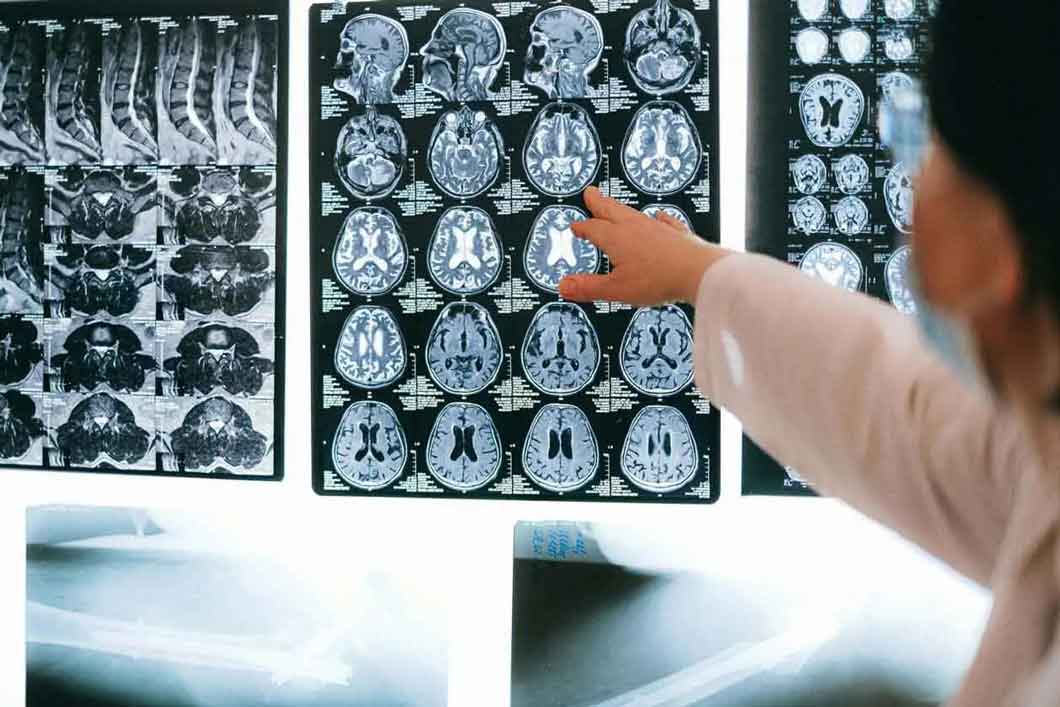
Traumatic brain injuries (TBI) are among the most serious outcomes of head on crashes. These injuries can range from mild concussions to severe, life-altering damage. Symptoms may include:

  • Cognitive impairments: Memory loss, difficulty in concentrating, and problems with decision-making are common after a brain injury.
  • Physical symptoms: Headaches, dizziness, and fatigue may persist long after the accident.
  • Psychological effects: Many TBI victims experience personality changes, mood swings, and difficulty maintaining relationships.

2. Neck and Spine Injuries

Neck and spine injuries are frequent in head on collisions. The whiplash effect, caused by the violent motion, can result in:

  • Herniated discs: Discs in the spine can become misaligned or rupture, leading to severe pain and loss of mobility.
  • Spinal cord damage: Damage to the spinal cord can result in partial or complete paralysis, often affecting a person’s ability to live independently.

3. Facial Injuries

Facial injuries are common in head on collisions, especially if the airbag deploys forcefully or the face strikes the dashboard. These injuries can include:

  • Fractures: Broken bones in the cheek, jaw, or nose can be painful and require surgery for treatment.
  • Dental trauma: There can be broken teeth, leading to both physical and psychological consequences.
  • Lacerations: Cuts to the face, especially around the eyes, can cause scarring and permanent disfigurement.

4. Orthopedic Injuries

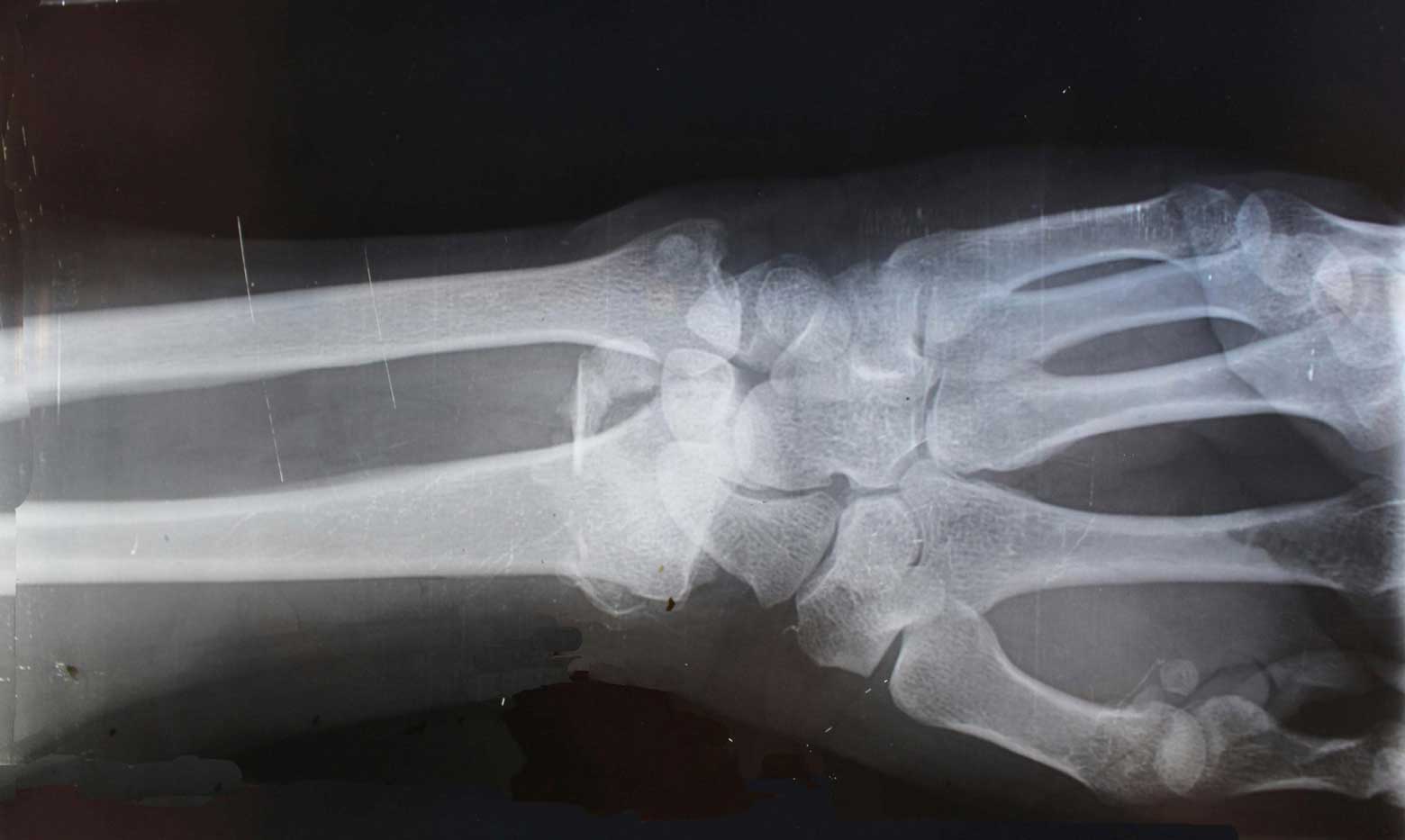
The force of a head on crash can cause broken bones, dislocations, and torn ligaments in virtually any part of the body. Common orthopedic injuries include:

  • Fractures to arms, legs, ribs, and the pelvis.
  • Torn ligaments: These injuries often require surgery and long rehabilitation periods.
  • Joint dislocations: These may result in lasting pain or limited range of motion.

5. Internal Organ Damage

In a high-impact crash, the body’s internal organs may be severely injured. This can include:

  • Internal bleeding: A serious condition that can lead to death if not treated quickly.
  • Organ ruptures: The liver, spleen, or kidneys can be damaged, requiring emergency surgery.
  • Pneumothorax (collapsed lung): A common result of rib fractures that puncture the lungs.

6. Airbag Injuries

While airbags are designed to save lives, they can sometimes cause injuries such as:

  • Facial abrasions: From contact with the airbag during deployment.
  • Fractures: Airbags can cause broken bones in the arms, wrists, or hands if passengers are not properly seated.
  • Burns: The chemical reaction that inflates the airbags can cause burns on the skin.

7. Psychological Trauma

In addition to physical injuries, head on collision victims often suffer from psychological trauma. Common mental health issues include:

  • Post-Traumatic Stress Disorder (PTSD): Flashbacks, nightmares, and anxiety attacks are common among survivors.
  • Depression: Many victims experience sadness, hopelessness, and a sense of loss after such traumatic events.
  • Phobias: Some survivors may develop a fear of driving or even being in vehicles after their accident.

Contact Us Today to Get the Compensation You Deserve

Contact our office at [email protected] or call at 647-363-7677 for a free case assessment and consultation.

4 Legal Framework: Car Accident Law in Ontario

Ontario follows a unique legal framework for car accidents that blends both no-fault insurance and tort law principles. Understanding the available legal options is critical for victims seeking compensation for their injuries.

1. No-Fault Accident Benefits (Statutory Accident Benefits Schedule – SABS)

Ontario operates under a no-fault insurance system, meaning that regardless of who caused the accident, injured parties can file claims through their own insurance. Under the Statutory Accident Benefits Schedule (SABS), individuals can access various benefits, including:

  • Medical and Rehabilitation Expenses: Covers the costs of treatment such as physiotherapy, chiropractic care, and psychological counseling.
  • Income Replacement Benefits: If you are unable to work due to your injuries, you can claim income replacement benefits.
  • Attendant Care: Compensation for personal care needs if you require assistance with daily tasks.
  • Housekeeping and Home Maintenance: If your injuries prevent you from performing household chores, these benefits can cover the cost of external help.

2. Tort Claims (Lawsuits Against the At-Fault Driver)

In cases where injuries are severe or catastrophic, victims may be entitled to additional compensation through a tort claim against the negligent driver. Under tort law, you can pursue damages for:

  • Pain and Suffering: Compensation for the physical and emotional pain caused by your injuries.
  • Past and Future Loss of Income: If you cannot work due to your injuries, or if your earning capacity is diminished, you may be entitled to compensation for lost wages.
  • Loss of Enjoyment of Life: Compensation for the inability to participate in hobbies or daily activities you once enjoyed.
  • Out-of-Pocket Expenses: These can include anything not covered by SABS, such as transportation costs, medical supplies, or modifications to your home.

5 Determining Fault in Head On Collisions

To successfully file a claim, it is important to establish who was at fault for the accident. In head on collisions, fault is often determined by the driver who crossed into the oncoming lane of traffic.

Evidence plays a critical role in proving fault and may include:

  • Police reports: Officers’ reports of the scene can help determine how the crash occurred.
  • Eyewitness testimonies: Statements from those who witnessed the accident may support your version of events.
  • Dashcam footage: Footage from your vehicle or others involved in the collision can provide irrefutable evidence.
  • Accident reconstruction: Experts can analyze the scene to determine how the crash occurred and the likely cause.

6 Comparative and Contributory Negligence

Ontario follows a comparative negligence system. This means that if both parties share fault for the accident, your compensation may be reduced based on your degree of responsibility. For example, if you are found to be 20% at fault for the accident, your compensation will be reduced by 20%.

7 Immediate Steps After a Head On Collision

In the immediate aftermath of a head on collision, your priority should be your safety and health. Follow these essential steps:

1. Seek Medical Attention

Even if you do not feel injured, it is crucial to seek medical attention. Injuries like internal bleeding, whiplash, or brain trauma may not be immediately apparent.

2. Call Emergency Services

Alerting emergency responders ensures medical assistance is on its way and that a police report is filed, which is crucial for insurance claims and legal proceedings.

3. Document the Scene

If you are able, take photos of the crash scene, vehicle damage, road conditions, and any visible injuries. Collect the names and contact details of witnesses.

4. Notify Your Insurance Provider

Report the accident to your insurance company within seven days to avoid jeopardizing your benefits under the Statutory Accident Benefits Schedule (SABS).

5. Consult a Personal Injury Lawyer

Hiring a personal injury lawyer experienced in car accidents ensures that your rights are protected, and you receive fair compensation for your injuries.

8 The Role of a Head On Collision Lawyer in Ontario

Navigating the legal and insurance landscape after a head on collision can be complex. Insurance companies often attempt to minimize payouts, and their lawyers may look for ways to discredit your claim.

An experienced personal injury lawyer like we have at Affinity Lawyers will :

  • Assess your claim’s value: A lawyer will help you understand the full extent of the damages you are entitled to.
  • Gather evidence: They will collect all necessary medical records, accident reports, and witness statements to support your case.
  • Negotiate with insurance adjusters: Lawyers are adept at negotiating settlements that truly reflect the severity of your injuries.
  • File and litigate lawsuits: If necessary, a lawyer will represent you in court to ensure you get the compensation you deserve.

9 Conclusion

Among the most deadly accidents on Ontario’s roads are almost head on collisions. Victims may endure crippling, lifelong physical and financial consequences. Every motorist facing such a collision should know: Why are these accidents happening, what are the types of injuries they cause, and what are the legal remedies to recoup the damages?

Whether you want to apply for no-fault benefits or need to file a lawsuit to seek compensation from the at-fault driver, a competent CA personal injury attorney can guide you and help you obtain the financial resources you need to fully recover and move on with your life.

If you or a family member has been hurt in a head on collision, contact a seasoned personal injury attorney today. You deserve to be fairly compensated, with proper legal representation you can make that happen.
Schedule Your Consulation Today With The Affinity Lawyers

Free consultation

Free consultation

Name(Required)

You May Have Some Questions

Frequently asked questions

How much will I get from a car accident settlement in Ontario? toggle icon

In Ontario, the sum you receive from a settlement after a car accident can vary dramatically depending on the extent of your injuries and how significantly your life is affected. Minor injuries can result in awards of up to $3,500, non-catastrophic injuries could produce payouts of up to $65,000. However, clients may receive settlements above that, such as for catastrophic injuries that result in permanent disability, which may produce settlements of 1,000,000 or more.

What is a typical amount of pain and suffering? toggle icon

According to insurance industry statistics, the average payment nationally on a pain and suffering case over a personal injury claim nationwide is about $15,000. Pain and suffering is described as non-economic damage for being something that you cannot assign a dollar amount to.

Can I claim anxiety after a car accident? toggle icon

To bring a valid personal injury claim for anxiety, experienced personal injury lawyers will need to show. Duty of care was owed by another road user. This duty was breached. You suffered a psychological injury, a physical injury, or a combination of both in connection with the breach.

How much do most personal injury cases settle for? toggle icon

Personal injury settlements $10,000 to more than $75,000 on average. Settlement is the amount of cash that either the injured party, their insurance company or the at-fault party, or their insurance company agrees to pay the injured party for their losses resulting from an accident or negligence.

If you are looking for the best car accident lawyer in Ontario, CA, contact Affinity Lawyers Today.

How much will I get from a car accident settlement in Ontario? toggle icon

In Ontario, the sum you receive from a settlement after a car accident can vary dramatically depending on the extent of your injuries and how significantly your life is affected. Minor injuries can result in awards of up to $3,500, non-catastrophic injuries could produce payouts of up to $65,000. However, clients may receive settlements above that, such as for catastrophic injuries that result in permanent disability, which may produce settlements of 1,000,000 or more.

What is a typical amount of pain and suffering? toggle icon

According to insurance industry statistics, the average payment nationally on a pain and suffering case over a personal injury claim nationwide is about $15,000. Pain and suffering is described as non-economic damage for being something that you cannot assign a dollar amount to.

Can I claim anxiety after a car accident? toggle icon

To bring a valid personal injury claim for anxiety, experienced personal injury lawyers will need to show. Duty of care was owed by another road user. This duty was breached. You suffered a psychological injury, a physical injury, or a combination of both in connection with the breach.

How much do most personal injury cases settle for? toggle icon

Personal injury settlements $10,000 to more than $75,000 on average. Settlement is the amount of cash that either the injured party, their insurance company or the at-fault party, or their insurance company agrees to pay the injured party for their losses resulting from an accident or negligence.

If you are looking for the best car accident lawyer in Ontario, CA, contact Affinity Lawyers Today.

How much will I get from a car accident settlement in Ontario? toggle icon

In Ontario, the sum you receive from a settlement after a car accident can vary dramatically depending on the extent of your injuries and how significantly your life is affected. Minor injuries can result in awards of up to $3,500, non-catastrophic injuries could produce payouts of up to $65,000. However, clients may receive settlements above that, such as for catastrophic injuries that result in permanent disability, which may produce settlements of 1,000,000 or more.

What is a typical amount of pain and suffering? toggle icon

According to insurance industry statistics, the average payment nationally on a pain and suffering case over a personal injury claim nationwide is about $15,000. Pain and suffering is described as non-economic damage for being something that you cannot assign a dollar amount to.

Can I claim anxiety after a car accident? toggle icon

To bring a valid personal injury claim for anxiety, experienced personal injury lawyers will need to show. Duty of care was owed by another road user. This duty was breached. You suffered a psychological injury, a physical injury, or a combination of both in connection with the breach.

How much do most personal injury cases settle for? toggle icon

Personal injury settlements $10,000 to more than $75,000 on average. Settlement is the amount of cash that either the injured party, their insurance company or the at-fault party, or their insurance company agrees to pay the injured party for their losses resulting from an accident or negligence.

If you are looking for the best car accident lawyer in Ontario, CA, contact Affinity Lawyers Today.

How much will I get from a car accident settlement in Ontario? toggle icon

In Ontario, the sum you receive from a settlement after a car accident can vary dramatically depending on the extent of your injuries and how significantly your life is affected. Minor injuries can result in awards of up to $3,500, non-catastrophic injuries could produce payouts of up to $65,000. However, clients may receive settlements above that, such as for catastrophic injuries that result in permanent disability, which may produce settlements of 1,000,000 or more.

What is a typical amount of pain and suffering? toggle icon

According to insurance industry statistics, the average payment nationally on a pain and suffering case over a personal injury claim nationwide is about $15,000. Pain and suffering is described as non-economic damage for being something that you cannot assign a dollar amount to.

Can I claim anxiety after a car accident? toggle icon

To bring a valid personal injury claim for anxiety, experienced personal injury lawyers will need to show. Duty of care was owed by another road user. This duty was breached. You suffered a psychological injury, a physical injury, or a combination of both in connection with the breach.

How much do most personal injury cases settle for? toggle icon

Personal injury settlements $10,000 to more than $75,000 on average. Settlement is the amount of cash that either the injured party, their insurance company or the at-fault party, or their insurance company agrees to pay the injured party for their losses resulting from an accident or negligence.

If you are looking for the best car accident lawyer in Ontario, CA, contact Affinity Lawyers Today.

How much will I get from a car accident settlement in Ontario? toggle icon

In Ontario, the sum you receive from a settlement after a car accident can vary dramatically depending on the extent of your injuries and how significantly your life is affected. Minor injuries can result in awards of up to $3,500, non-catastrophic injuries could produce payouts of up to $65,000. However, clients may receive settlements above that, such as for catastrophic injuries that result in permanent disability, which may produce settlements of 1,000,000 or more.

What is a typical amount of pain and suffering? toggle icon

According to insurance industry statistics, the average payment nationally on a pain and suffering case over a personal injury claim nationwide is about $15,000. Pain and suffering is described as non-economic damage for being something that you cannot assign a dollar amount to.

Can I claim anxiety after a car accident? toggle icon

To bring a valid personal injury claim for anxiety, experienced personal injury lawyers will need to show. Duty of care was owed by another road user. This duty was breached. You suffered a psychological injury, a physical injury, or a combination of both in connection with the breach.

How much do most personal injury cases settle for? toggle icon

Personal injury settlements $10,000 to more than $75,000 on average. Settlement is the amount of cash that either the injured party, their insurance company or the at-fault party, or their insurance company agrees to pay the injured party for their losses resulting from an accident or negligence.

If you are looking for the best car accident lawyer in Ontario, CA, contact Affinity Lawyers Today.

How much will I get from a car accident settlement in Ontario? toggle icon

In Ontario, the sum you receive from a settlement after a car accident can vary dramatically depending on the extent of your injuries and how significantly your life is affected. Minor injuries can result in awards of up to $3,500, non-catastrophic injuries could produce payouts of up to $65,000. However, clients may receive settlements above that, such as for catastrophic injuries that result in permanent disability, which may produce settlements of 1,000,000 or more.

What is a typical amount of pain and suffering? toggle icon

According to insurance industry statistics, the average payment nationally on a pain and suffering case over a personal injury claim nationwide is about $15,000. Pain and suffering is described as non-economic damage for being something that you cannot assign a dollar amount to.

Can I claim anxiety after a car accident? toggle icon

To bring a valid personal injury claim for anxiety, experienced personal injury lawyers will need to show. Duty of care was owed by another road user. This duty was breached. You suffered a psychological injury, a physical injury, or a combination of both in connection with the breach.

How much do most personal injury cases settle for? toggle icon

Personal injury settlements $10,000 to more than $75,000 on average. Settlement is the amount of cash that either the injured party, their insurance company or the at-fault party, or their insurance company agrees to pay the injured party for their losses resulting from an accident or negligence.

If you are looking for the best car accident lawyer in Ontario, CA, contact Affinity Lawyers Today.

How much will I get from a car accident settlement in Ontario? toggle icon

In Ontario, the sum you receive from a settlement after a car accident can vary dramatically depending on the extent of your injuries and how significantly your life is affected. Minor injuries can result in awards of up to $3,500, non-catastrophic injuries could produce payouts of up to $65,000. However, clients may receive settlements above that, such as for catastrophic injuries that result in permanent disability, which may produce settlements of 1,000,000 or more.

What is a typical amount of pain and suffering? toggle icon

According to insurance industry statistics, the average payment nationally on a pain and suffering case over a personal injury claim nationwide is about $15,000. Pain and suffering is described as non-economic damage for being something that you cannot assign a dollar amount to.

Can I claim anxiety after a car accident? toggle icon

To bring a valid personal injury claim for anxiety, experienced personal injury lawyers will need to show. Duty of care was owed by another road user. This duty was breached. You suffered a psychological injury, a physical injury, or a combination of both in connection with the breach.

How much do most personal injury cases settle for? toggle icon

Personal injury settlements $10,000 to more than $75,000 on average. Settlement is the amount of cash that either the injured party, their insurance company or the at-fault party, or their insurance company agrees to pay the injured party for their losses resulting from an accident or negligence.

If you are looking for the best car accident lawyer in Ontario, CA, contact Affinity Lawyers Today.

Our Stories