This week only: Reduced Legal Fees

phone-icon

Call us today +1 (844) 786-5291

Practice Areas / Family Law / Restraining Orders

Family Law

Free consultation

Free consultation

Name(Required)

Domestic Violence and Safety Legal Guidance and Protection in Toronto

Domestic violence is a serious problem affecting individuals and families throughout Toronto and Ontario. Many people endure abuse without understanding their rights or the legal support available. It can be difficult to recognize, and many remain unaware of their options.

If you, or someone you know who is facing domestic violence and abuse, can take a step to have protection and recovery against it, know the best solutions available.

At Affinity Lawyers in Toronto, we are always pleased to help people rise up against domestic violence and seek safety amid complex legal issues. 

The experienced legal guidance available here can change your situation positively, even if you are facing an abusive relationship, need immediate protection, or want to know about your basic legal rights.

Call for a free consulatation

Book Appointment arrow

Family Law

1 What is domestic violence and safety?

It is important to answer a basic question first that will help to know details about domestic violence and safety; that is, what is domestic violence? In a very close relationship, it is the behavior of harming, controlling, bullying, or scaring another person. 

It includes violence against a loving partner, abuse of the spouse, and abuse in all types of relationships.

Abuse can be physical, emotional, sexual, financial, or psychological. It may appear as a pattern that worsens over time or as a one-time event. Abuse can occur in any home or relationship, regardless of age, gender, or background.

Abuse is not limited to physical harm. Actions that isolate, threaten, or control someone are also considered abuse.

According to Canadian guidelines, abuse is any behavior that scares or controls someone by neglecting or denying basic needs such as food, shelter, or medical care.

2 Understanding Domestic Abuse and Abusive Relationships

Domestic abuse can be difficult to identify at first, as it often worsens over time. Victims may feel confused or ashamed and unsure of what is happening. As time passes, the abuser’s behavior typically becomes more harmful.

Abuse often follows a cycle: tension builds, an abusive incident occurs, the abuser offers an apology or promises to change, and a calm phase follows—before the cycle repeats. This cycle can make leaving difficult, as victims may hope for positive change due to emotional attachment.

This pattern can be described as follows:

  • Tension is created first by the abuser, and they can become more irritating and controlling very easily.
  • An emotional, physical, or verbal incident of abuse happens.
  • A short time in which the abuser apologizes, gives excuses, and promises a change.
  • A temporary phase where it is calming and relaxing for some time, but then the cycle of abuse begins again.

It is important to recognize these patterns, as understanding the cycle of abuse can help you take action for your safety and well-being.

3 Types of Domestic Violence

Understanding the types of domestic violence can help you recognize early warning signs and take action for your safety.

Physical Abuse

Physical abuse includes hitting, pushing, slapping, and any kind of harmful act of physical torture. It may also include actions like kicking, choking, and using objects to cause harm to anyone. Even a single incident of physical violence is very serious and should not ever be ignored or thought to be small.

Sexual Abuse

Sexual abuse includes any kind of sexual activity without any clear and voluntary consent. This can happen even in a marriage or a long-term relationship. It involves unwanted touching, forced sexual acts, and continuing the sexual activities even after someone has already said no to it.

Emotional and Psychological Abuse

Emotional abuse is hard to see, but it is also more dangerous and harmful. It may include continuous criticism, insults, threats, or humiliation. Most of the individuals are kept away from their families and friends forcefully, and are also forced to feel it. 

As time passes, these types of abuses can deeply and badly affect mental health and self-confidence.

Financial Abuse

Financial abuse happens when one of the partners controls all the money and stops the other from using it or accessing these financial resources. 

It includes taking the income, restricting spending, and preventing someone from working. In most cases, the financial abuse is used to make the victim dependent on the abuser, and as a result, it is hard to leave the condition.

Controlling Behaviour

Controlling behavior mostly includes many kinds of domestic violence that involve monitoring phone or internet use, restricting movements, or taking away important documents like passports and identification. This kind of behavior is forced to limit independence and increase full, forceful control.

Neglect

Another form of harm is neglect, especially when one person depends totally on another for care. 

It involves failing to provide the basic needs like food, clothing, shelter, and medical care. In most cases, neglect can lead to serious physical and emotional harm, seriously affecting someone.

If you or someone you know needs immediate protection or legal support related to domestic violence, reach out to Affinity Law today. Take control of your safety by contacting a trusted domestic violence safety lawyer in Toronto now.

For a free consultation, feel free and safe to call Affinity Law today at 1 844 786 8766 or contact us online.


Get Help Now - Free & Confidention Consultation

Contact us at [email protected] or call 647-957-7923 for a FREE case assessment and consultation.

4 Signs of Abuse and Signs of Domestic Abuse

To cope with domestic violence and safety issues, it is very important to understand and recognize the signs of abuse. Most people do not even know that they are facing abuse until it becomes more harmful, dangerous, and unbearable for them.

The most common signs of domestic abuse or violence include fear of the partner, constant depression, and feeling controlled under pressure. 

A person can be kept away from family and friends and can be seen as unusually silent and more careful to do anything. Physical signs may also include injuries that cannot be explained and attempts to hide the bruises.

Some of the other signs also include constant criticism, threats, or monitoring of the behavior. In some cases, the abusive partner may check the messages, restrict communication, or accuse the victim of doing wrong without giving any reasons.

Understanding and recognizing these signs of domestic abuse can help individuals take early action and get help for domestic violence before the situation becomes more dangerous and severe.

5 Effects of Domestic Violence

The effects of domestic violence are far more dangerous than physical harm. The victims often experience long-term emotional and psychological harmful damages. Depression, anxiety, and low self-confidence are the common results.

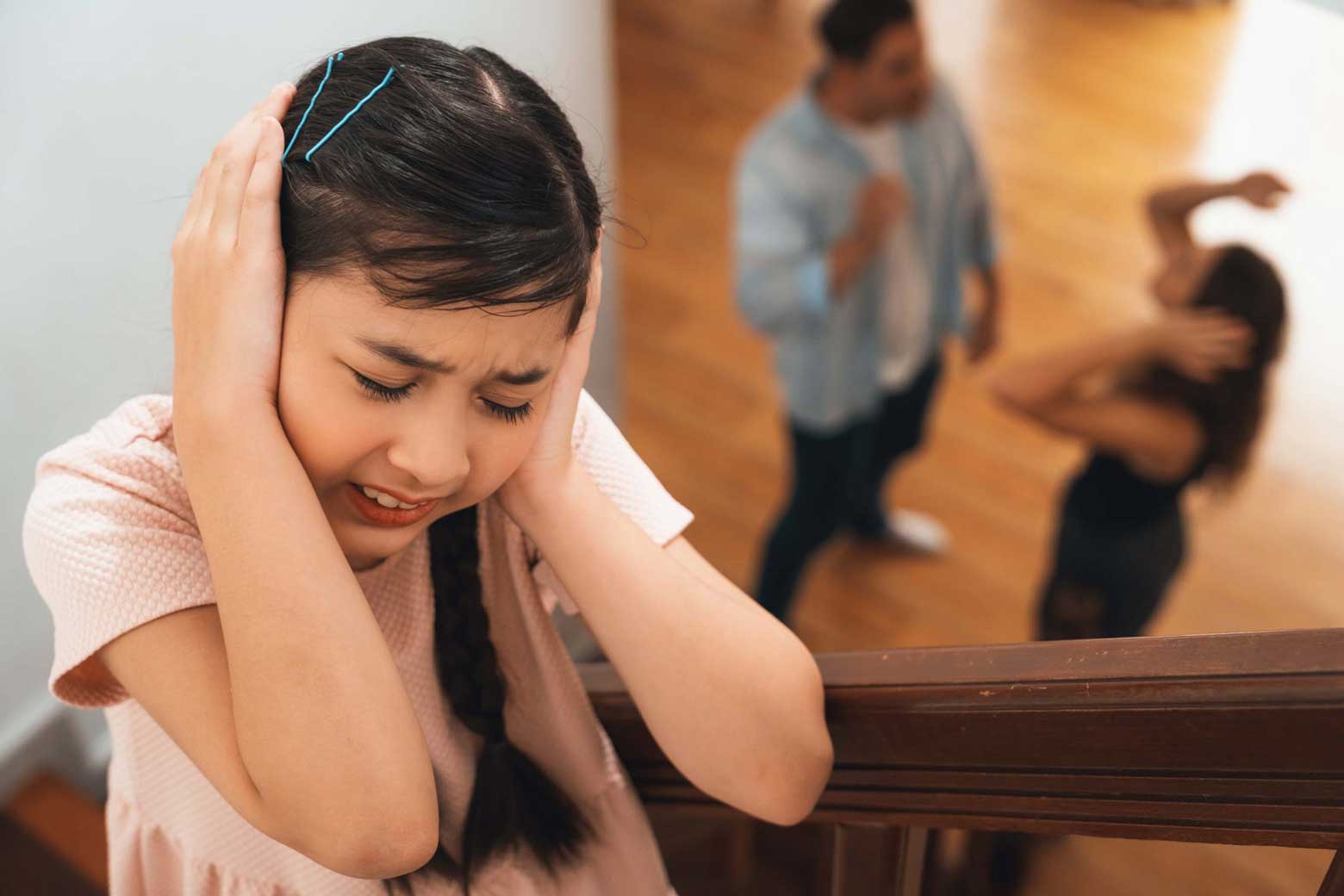
Domestic violence and safety issues can also affect children and other family members. Witnessing the abuse can lead to trauma, behavioral problems, and difficulty in making healthy relationships in future life.  

Daily life and work are also affected. Victims may try hard, struggle to concentrate, miss work, or feel depressed continuously. According to the research in Ontario, workplace safety and domestic violence can spread in the workplace by affecting the victim, coworkers, and employers.

6 Domestic Violence Help and Support in Canada

If you are facing domestic abuse, it is very important to know that help is available. Help for domestic violence victims includes shelters, helplines, counseling services, and legal support.

The shelters for women provide a safe place to stay and also offer confidential support. These shelters are absolutely free and can also provide the individuals with extra services such as counseling and legal support. Most of them provide the service for 24 hours a day and help people of any background.

There are also helplines available all over Canada that offer guidance with confidential support. These services can help you understand the options available to you and also make good safety plans for you.

Getting help does not mean that you have to take fast legal action. But it simply gives you access to the information and support so that you can make informed decisions.

7 Creating a Safety Plan for Domestic Violence

For the protection of your family and yourself, a safety plan for domestic violence is a critical tool. If you feel unsafe and need to leave fast, then this plan will help you with the steps that you can take.

Planning for the future can give you relief and make a dangerous situation more convenient for you. It can include recognizing the safest places for you to move, keeping your important documents with you, and also keeping some emergency funds with you. To signal the danger, you can also create a secret code word for you and share it with a trusted one only.

It is very important to take small steps and not to feel affected. Leaving an abusive relationship can be hard and may take time. But a safe plan allows you to be ready and prepared on your own, with an increase in your safety.

Most of the experts strongly recommend that individuals know their situation very well and should handle the risk with great care. 

In many cases, it is noticed that the time when someone really acts on the plan to leave can be the most dangerous and harmful for them.

8 Legal Protection: How a Domestic Violence Lawyer Can Help

To fight against domestic violence and ensure safety, legal support plays the most important role. A domestic violence lawyer can help you out by telling you the rights that you have and providing proper guidance on the steps you can take to be safe and protected.

In Toronto, people have access to legal options like peace bonds, restraining orders, and criminal charges. 

A restraining order lawyer can help in getting the orders from the court for you that restrict the abuser from contacting and approaching you.

Including child custody, support, and even separation issues, a domestic violence lawyer can also guide you in all of your family law matters. To ensure long-term and important safety and stability, these legal steps are often much needed.

In Toronto, near you, working with a domestic violence attorney ensures that your case is handled with knowledge of the local laws and procedures. 

Legal experienced professionals can also help you gather evidence, document incidents, and present your case effectively in court.

If you are looking for a noble and reputable domestic violence and safety lawyer in Toronto, then contact Affinity Law today.

Call Affinity Law today at 1 844 786 8766 for a free consultation, or visit our website to contact us online.

Get Help Now - Free & Confidention Consultation

Contact us at [email protected] or call 647-957-7923 for a FREE case assessment and consultation.

9 What Happens If You Call the Police?

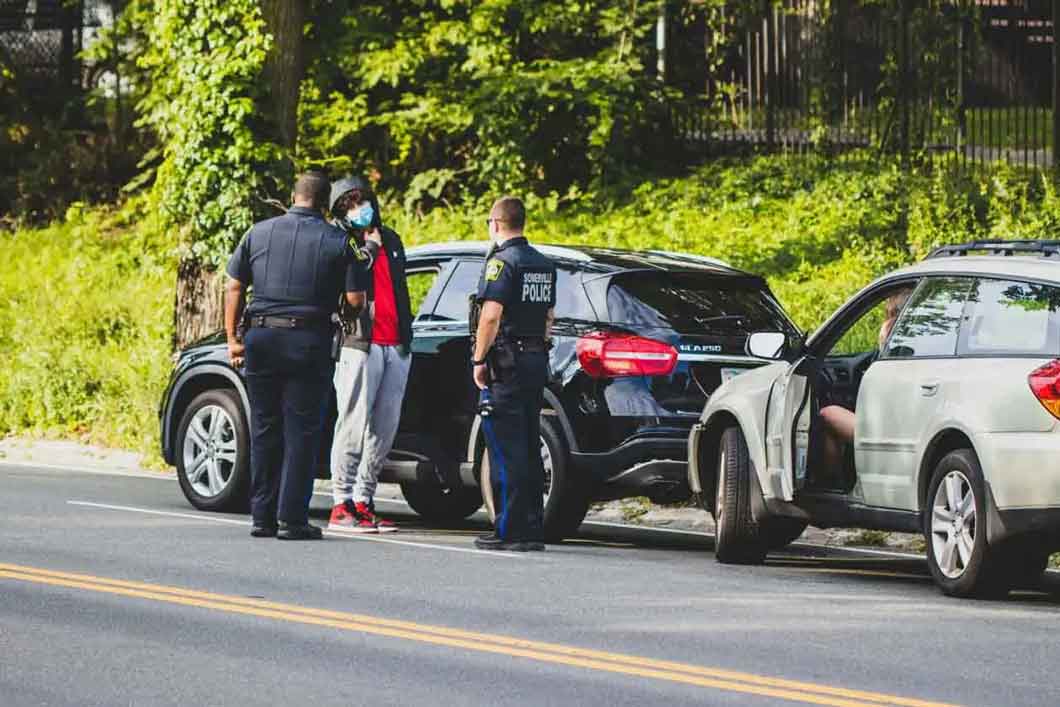
Calling the police quickly is the most important step in situations of immediate danger and threat. Even within a relationship, threats, assaults, and harassment are criminal offenses in Canada.

When the police respond to a domestic violence situation, they are required to judge the conditions at that time, and they may file charges if they believe that a crime has been committed. This decision is not always in support of the victim.

Police can also provide the sources, document evidence, and help ensure a safe environment. And in some cases, they may put restrictions on the abuser by limiting him from contacting the victim.

It is also a difficult decision to call the police, but it is often very important to do so when your safety is in danger.

10 Life After Leaving an Abusive Relationship

One of the most important and major steps is leaving an abusive relationship. But it is only the start of the healing process. Most individuals face ongoing challenges, including emotional recovery, financial stability, and legal matters.

Even after the separation, domestic violence and safety concerns can continue. So it is very necessary and important to remain cautious and continue to follow a safety plan. 


To help reduce the risk and harm, just inform the trusted person only. Also, change the locks and keep adjusting the daily routines.

Always keep access to legal protection, such as restraining orders. Including the professionals, family, and friends also provides help to build a strong network to eliminate the risk and protection from harm with a good sense of security.

Every person has their own personal journey that is different for everyone, so recovery takes time. To move forward, individuals can have their experiences with good counseling or attachment to the support groups.

11 Why Legal Guidance Matters in Domestic Violence Cases

The domestic violence cases are much more complicated and challenging emotionally. By availing the right legal support, the process can be made easier, clearer, and less overpowering.

A domestic violence attorney not only provides legal advice but also gives assistance in hard times. They help the clients to understand their rights, make informed decisions, and prepare for the court.

In Toronto, laws are made to protect the victims and to hold the abusers accountable. To use these laws, much knowledge and experience are required. It is the reason that hiring and working with a domestic violence lawyer near you is very important for you.

If you are looking for a reputable domestic violence lawyer in Toronto, then contact Affinity Law today.

We're Here to Help - Talk To Us

12 Taking the First Step Toward Safety

Domestic violence and safety are not just legal issues, but they are human issues that badly affect every part of a person’s life. No one should ever feel unsafe, and no one deserves to live in fear in their own home.

If you are facing abuse in relationships, it is clearly important to know that you are not alone in this. There are some steps that you can take to protect yourself and your loved ones from abuse, because help is available.

Contacting us is the first step; even if you just want to talk to someone, you need legal advice, or you are looking for protection quickly. In Toronto, Affinity Lawyers are committed to helping individuals get safety, stability, and justice.

At first, taking an action may seem hesitant, but even taking the small steps can help and lead to the hopeful positive change ahead. Understanding domestic violence and safety is the start of adopting control and building a safe future.

Free consultation

Free consultation

Name(Required)

Our Stories