1 Understanding Municipal Negligence in Slip and Fall Cases
Municipal negligence occurs when a city, town, or other municipal corporation fails to exercise reasonable care in maintaining public property, resulting in dangerous conditions that cause injuries. In Toronto, this includes sidewalks, parks, municipal buildings, recreational facilities, and other public spaces owned or controlled by the City of Toronto.
The key elements of a successful municipal negligence claim include proving the municipality owed you a duty of care, breached that duty through action or inaction, and that this breach directly caused your injuries and damages. Unlike private property claims, suing a municipality involves additional legal hurdles and strict procedural requirements.
Municipal corporations in Ontario are protected by specific legislation that limits their liability in certain circumstances. However, when municipalities fail to meet their statutory obligations for property maintenance and inspection, they can be held accountable for resulting injuries.
2 Common Types of Municipal Property Slip and Fall Accidents
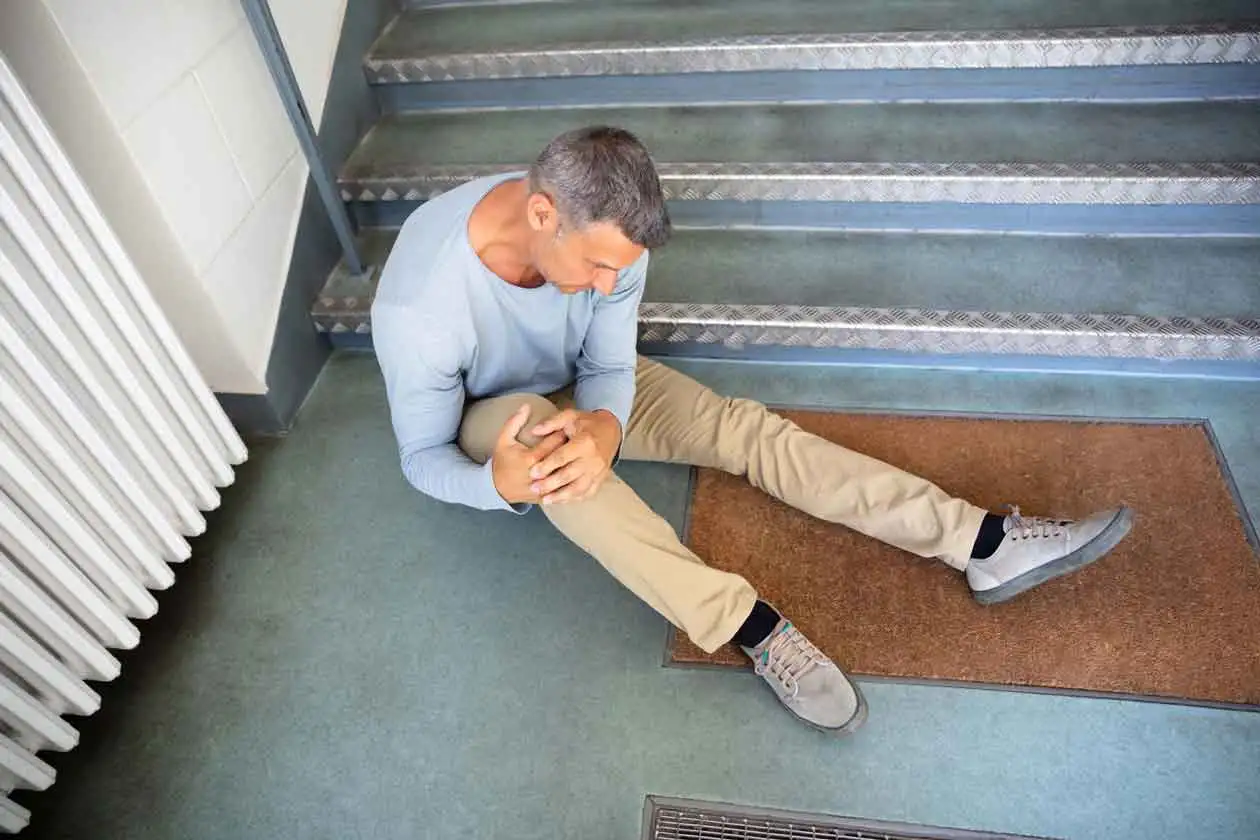
- Toronto sidewalk accidents represent one of the most frequent types of municipal negligence claims. The City of Toronto has a legal obligation to maintain sidewalks in a reasonable state of repair, including addressing hazards like ice accumulation, broken pavement, and construction defects.
- Ice and snow slips and falls on municipal property are particularly common during Toronto’s harsh winter months. While municipalities have some protection under the Minimum Maintenance Standards, they can still be liable when they fail to meet these standards or when they create dangerous conditions through their actions.
- Municipal building accidents occur in city halls, community centers, libraries, and other public facilities. These cases often involve inadequate lighting, defective flooring, missing handrails, or improper maintenance of entrances and exits.
- Park and recreational facility injuries happen in Toronto’s extensive park system, including slips and falls on walking paths, around swimming pools, in sports facilities, and on playground equipment. The city has specific obligations to inspect and maintain these facilities for public safety.
Construction zone accidents on municipal property present unique challenges, as liability may be shared between the municipality and private contractors. These cases require careful investigation to determine all responsible parties.
3 Strict Deadlines and Notice Requirements
One of the most important things to understand in a municipal slip and fall case is the notice requirement. Under Ontario law, injured parties must notify the municipality in writing within 10 days of the accident. The notice must include:
- The date and time of the accident
- The exact location
- A brief description of the incident
Failure to provide proper notice within this timeframe may result in losing your right to sue. However, in rare cases, courts may make exceptions if there’s a reasonable excuse and the municipality isn’t prejudiced.
Contact us at info@affinity.law or call 647-492-4489 for a free consultation.
5 Proving Municipal Negligence in Slip and Fall Cases
Establishing municipal liability requires proving several key elements through comprehensive evidence gathering and legal analysis. Your Toronto personal injury lawyer must demonstrate that the municipality breached its duty of care and that this breach caused your injuries.
- Duty of care exists when the municipality has control over the property where your accident occurred. This includes not only ownership but also situations where the municipality has assumed responsibility for maintenance through contracts or statutory obligations.
- Breach of duty occurs when the municipality fails to meet the standard of care expected of a reasonable municipal corporation in similar circumstances. This may involve inadequate inspection procedures, failure to repair known hazards, or creating dangerous conditions through municipal activities.
- Causation must be established by showing that the municipality’s negligence directly caused your slip and fall accident and resulting injuries. This often requires expert testimony regarding proper maintenance procedures and accident reconstruction.
- Foreseeability is another crucial element, as municipalities are only liable for reasonably foreseeable hazards. Courts consider factors like the location of the hazard, frequency of public use, and whether similar accidents had occurred previously.
6 Damages Available in Municipal Negligence Cases
Compensation for slip and fall injuries in municipal negligence cases can include various categories of damages designed to restore you to your pre-accident position as much as possible.
- Medical expenses form a significant component of most claims, including immediate emergency treatment, ongoing medical care, rehabilitation services, prescription medications, and future medical needs related to your injuries.
- Lost income compensation covers wages lost due to your inability to work following the accident, as well as reduced earning capacity if your injuries result in long-term or permanent disability affecting your career prospects.
- Pain and suffering damages provide compensation for the physical pain, emotional distress, and reduced quality of life resulting from your injuries. These non-pecuniary damages are assessed based on the severity and duration of your symptoms.
- Housekeeping and home maintenance costs may be recoverable if your injuries prevent you from performing normal household tasks that you previously handled independently.
Future care costs can be substantial in cases involving permanent injuries, covering ongoing medical treatment, personal care assistance, mobility aids, and home modifications necessary to accommodate your disabilities.
7 Challenges in Municipal Negligence Claims
Suing the City of Toronto presents unique challenges that distinguish these cases from typical slip and fall claims against private property owners. Municipal corporations have access to significant legal resources and often defend claims aggressively.
- Statutory immunities protect municipalities from liability in certain circumstances, particularly regarding policy decisions and discretionary activities. Courts distinguish between operational decisions (which can create liability) and policy decisions (which are typically immune from liability).
- Minimum Maintenance Standards provide municipalities with a defense if they can prove they met the prescribed standards for property maintenance. However, these standards represent minimum requirements, and municipalities may still be liable for creating hazardous conditions.
- Notice requirements are strictly enforced in municipal negligence cases. Failing to provide proper notice within the required timeframe can result in your claim being dismissed regardless of the merits of your case.
- Expert evidence is often essential in municipal negligence cases to establish proper maintenance standards, prove deficiencies in municipal procedures, and demonstrate causation between municipal negligence and your injuries.
Contact us at info@affinity.law or call 647-492-4489 for a free consultation.
9 Investigation and Evidence Gathering
Immediate evidence preservation is critical in municipal negligence cases. Photographic documentation of the accident scene, weather conditions, and your injuries should be obtained as soon as possible after the incident.
- Witness statements from individuals who saw your accident or can testify about the condition of the municipal property provide valuable supporting evidence for your claim.
- Municipal records, including inspection reports, maintenance logs, complaint histories, and previous accident reports, can reveal patterns of negligence and establish the municipality’s knowledge of hazardous conditions.
- Weather data is particularly important in winter slip and fall cases, as it helps establish the conditions present at the time of your accident and whether the municipality should have taken additional precautions.
- Medical documentation from all healthcare providers involved in your treatment creates a comprehensive record of your injuries and their impact on your life and ability to work.
10 Settlement vs. Trial in Municipal Cases
Settlement negotiations in municipal negligence cases often occur after extensive discovery and expert report exchanges. Municipalities may be motivated to settle to avoid the uncertainty and expense of trial, particularly in cases with clear liability.
- Factors affecting settlement value include the severity of your injuries, the strength of the liability case, the quality of available evidence, and your age and occupation. Pre-existing medical conditions and contributory negligence can reduce settlement amounts.
- Trial preparation requires extensive coordination of expert witnesses, document production, and legal argument development. Municipal defendants often have experienced legal teams and substantial resources to defend these claims.
- Judicial considerations in municipal negligence cases include the court’s analysis of statutory immunities, maintenance standards, and the reasonableness of municipal actions or inactions that led to your accident.
12 Why Choose Affinity Law for Your Municipal Negligence Claim
At Affinity Law, our Toronto slip and fall lawyers have extensive experience handling complex municipal negligence cases against the City of Toronto and other Ontario municipalities. We understand the unique legal and procedural requirements these cases demand.
- Proven track record of success in municipal negligence claims, with settlements and judgments totaling millions of dollars for our clients over the years.
- Comprehensive legal services from initial case evaluation through trial or settlement, including coordination with medical experts, economists, and other specialists necessary for your case.
- No upfront fees—we work on a contingency basis, meaning you pay no legal fees unless we successfully recover compensation for your injuries.
- Personalized attention to every client, with regular communication and updates throughout the legal process. We understand the stress and uncertainty following a serious injury and work to make the legal process as smooth as possible.
14 Contact Affinity Law Today
If you’ve been injured in a slip and fall accident on municipal property in Toronto, don’t wait to protect your rights. The strict notice requirements and complex legal issues in municipal negligence cases require immediate attention from experienced legal counsel.
Contact Affinity Law today for a free consultation to discuss your case and learn about your legal options. Our Toronto personal injury lawyers are ready to fight for the compensation you deserve while you focus on your recovery.
Call us now or complete our online contact form to schedule your free case evaluation. We’re here to help you navigate the complex legal process and secure the compensation you need to move forward with your life.
Contact us at info@affinity.law or call 647-492-4489 for a free consultation.