The common understanding that the rear driver is always at fault in a rear-end collision is a strong legal presumption, but it is not absolute. While it holds true in the vast majority of cases, there are critical exceptions where the lead driver, or even a third party, can bear partial or full responsibility. Understanding these nuances is vital for successfully pursuing a rear-end collision settlement.
The Presumption of Fault: Rear Driver Liability
In most jurisdictions, the law places a strong presumption of fault on the driver of the trailing vehicle in a rear-end collision. This principle is rooted in the duty of every driver to maintain a safe following distance and to exercise reasonable care to avoid striking the vehicle in front of them. This duty includes:
- Maintaining a Safe Following Distance: Drivers must leave enough space between their vehicle and the one ahead to allow for safe stopping, even if the lead vehicle brakes suddenly. This is often codified in traffic laws.
- Paying Full Attention to the Road: Drivers are expected to be attentive to traffic flow, road conditions, and the actions of other drivers.
- Driving at an Appropriate Speed: Speed must be adjusted to road conditions, traffic, and visibility, regardless of the posted speed limit.
Because the rear driver has a clear line of sight to the vehicle in front and is expected to control their vehicle to prevent a collision, their failure to do so typically leads to a finding of liability. This presumption simplifies many rear-end accident claims as it places the initial burden of proof on the rear driver to demonstrate why they were not at fault.
Exceptions to the Rule: When the Lead Driver Might Be at Fault
While less common, there are specific circumstances where the driver of the lead vehicle, or even a third party, can be found partially or entirely at fault for a rear-end collision. Proving these exceptions requires compelling evidence and often the expertise of an experienced rear-end collision attorney.
Lead Driver’s Improper Vehicle Manoeuvres
- Sudden or Unnecessary Braking: If the lead vehicle slams on their brakes for no legitimate reason (e.g., not for an obstruction, traffic, or a traffic signal), and the rear driver, who was maintaining a safe distance, cannot avoid a collision, the lead driver may be partially or entirely at fault. Examples include “brake checking” another driver out of road rage or stopping suddenly to pick up a dropped item.
- Reversing into Traffic: If the lead vehicle suddenly reverses into the flow of traffic or backs up into the vehicle behind it, they would be deemed at fault. This can happen in parking lots or when a driver mistakenly shifts into reverse on a roadway.
- Illegal Lane Changes or Cutting Off: If the lead vehicle makes an unsafe or illegal lane change, abruptly cutting off the trailing vehicle and then suddenly braking, they could be held responsible. This scenario often involves multiple contributing factors.
Lead Driver’s Negligence in Vehicle Maintenance
- Broken Brake Lights: If the lead vehicle’s brake lights are non-functional, the trailing driver may not receive adequate warning of slowing or stopping. If it can be proven that the brake lights were out and that this directly caused the rear-end crash, the lead driver could be held liable. However, the rear driver still has a duty to maintain a safe distance and observe traffic patterns.
- Driving with a Flat Tire or Mechanical Issue Without Proper Warning: If a lead vehicle is experiencing a mechanical issue (like a flat tire) that forces them to slow or stop on the roadway, but they fail to use hazard lights or move to the shoulder, they could share some responsibility for a rear-end collision.
Third-Party Responsibility for Road Hazards
- Road Hazards Caused by Third Parties: In some cases, a third party, such as a construction company, municipality, or another driver, creates a road hazard that forces the lead driver to brake suddenly, leading to a chain-reaction rear-end accident. For instance, if debris falls off a truck, causing the front car to brake, the truck driver or company could be liable.
Comparative Negligence and Shared Fault
Many states operate under a system of comparative negligence, which means that if multiple parties are found to be at fault for an accident, each party’s recovery of damages is reduced by their percentage of fault.
For example, if you are deemed 10% at fault for a rear-end collision (perhaps for having slightly dim taillights), and your total damages are $100,000, you would only be able to recover $90,000. Some states use “modified comparative negligence,” where you cannot recover any damages if your fault exceeds a certain percentage (e.g., 50% or 51%).
Establishing who is truly at fault in a rear-end car accident requires a thorough investigation. Our personal injury lawyers at Affinity Law will:
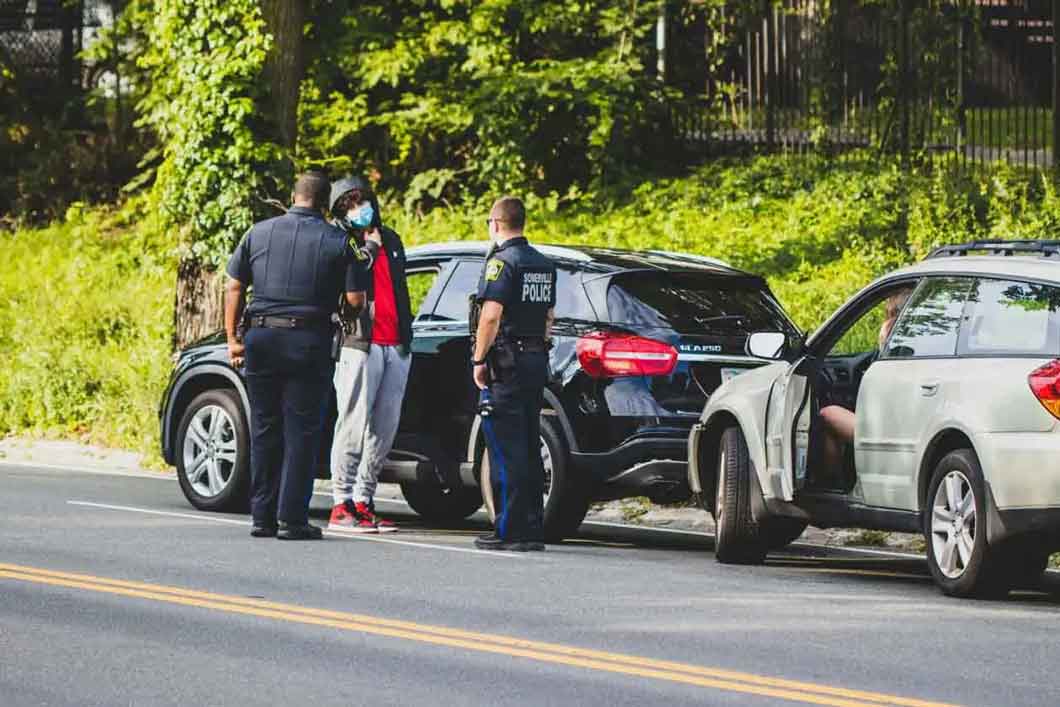
- Review Police Reports: These often provide initial assessments of fault and details about the accident scene.
- Interview Witnesses: Eyewitness accounts can be crucial in corroborating or refuting claims of sudden braking or other unusual maneuvers.
- Analyze Vehicle Damage: The nature and location of damage can indicate the angle and force of impact, offering clues about fault.
- Examine Surveillance Footage: Traffic cameras, dash cams, or nearby business security cameras can provide objective evidence of the accident’s sequence.
- Reconstruct the Accident: In complex cases, accident reconstruction experts can recreate the collision to determine speeds, braking distances, and contributing factors.
With Affinity Law, you gain a legal advocate who will leave no stone unturned in establishing liability, whether it aligns with the common presumption or reveals a more complex scenario where the lead driver or another party shares responsibility. Our goal is to ensure you receive the full rear-end collision compensation you are owed.