This week only: Reduced Legal Fees

phone-icon

Call us today +1 (844) 786-5291

Practice Areas / Personal Injury & Disability / Traumatic Brain Injuries

Personal Injury & Disability

Free consultation

Free consultation

Name(Required)

Traumatic brain injuries (TBI) can devastate lives in an instant. A traumatic brain injury (TBI) is a complex injury. It occurs when an external force impacts the brain. This force can be a blow, jolt, or penetration to the head.

At Affinity Law, we understand the profound impact these injuries have on victims and their families. Our experienced traumatic brain injury lawyers in Toronto provide compassionate, comprehensive legal representation for those suffering from concussions, brain hemorrhages, and other serious brain injuries.

Call for a free consulatation

Book Appointment arrow

Types of injuries

1 Understanding Traumatic Brain Injuries

1- Types of Traumatic Brain Injuries

Brain injuries manifest in various forms, each presenting unique challenges and legal considerations. Understanding these different types helps determine the appropriate legal strategy for your case.

  • Concussion represents the most common form of TBI. This mild brain injury occurs when the brain moves rapidly within the skull, disrupting normal brain function. Symptoms may include headaches, confusion, dizziness, and temporary memory loss. While often labeled as “mild,” concussions can have serious long-term effects.
  • Contusion involves bruising of brain tissue, typically occurring at the impact site or opposite side of the skull. These injuries may require surgical intervention to relieve pressure and prevent further damage.
  • Diffuse axonal injury results from rotational forces that tear nerve fibers throughout the brain. This type of injury often occurs in high-speed accidents and can cause widespread brain damage, leading to coma or persistent vegetative states.
  • Brain hemorrhage involves bleeding within or around the brain. This medical emergency requires immediate intervention to prevent permanent damage or death. Survivors often face significant cognitive and physical impairments.

2- Common Causes of Brain Injuries

Motor vehicle accidents account for a significant percentage of traumatic brain injuries in Toronto. The force of impact, even in seemingly minor collisions, can cause the brain to strike the skull with devastating consequences. Whiplash injuries often accompany brain trauma, creating complex medical and legal challenges.

Workplace accidents represent another major cause of TBI. Construction sites, manufacturing facilities, and other industrial environments pose particular risks. Falling objects, equipment malfunctions, and slip-and-fall incidents can all result in serious brain injuries.

Sports-related injuries, particularly in contact sports, contribute to growing TBI statistics. Repeated concussions, even minor ones, can lead to chronic traumatic encephalopathy (CTE) and other long-term complications.

Slip-and-fall accidents, often occurring on improperly maintained premises, can cause severe head trauma. Property owners have a legal obligation to maintain safe conditions for visitors and tenants.

Call us NOW for FREE Consultation for Traumatic Brain Injuries Claim in Toronto

Contact us at [email protected] or call 647-363-7677 for a free consultation.

2 Legal Rights and Compensation for TBI Victims

Brain injury victims in Toronto have legal rights to compensation when their injuries result from another party’s negligence. Understanding these rights is essential for securing fair compensation and proper medical care.

The legal concept of negligence forms the foundation of most brain injury claims. Plaintiffs must prove that the defendant owed a duty of care, breached that duty, and caused the brain injury through their actions or inactions. This process requires extensive evidence gathering and expert testimony.

1- Types of Compensation Available

Economic damages include medical expenses, lost wages, and future earning capacity. Brain injuries often require expensive treatments, rehabilitation, and ongoing care. Calculating these costs requires careful analysis of medical records and expert economic testimony.

Non-economic damages compensate for pain and suffering, loss of enjoyment of life, and emotional distress. These damages recognize the intangible losses that brain injury survivors experience. Ontario courts consider factors such as age, pre-injury lifestyle, and injury severity when determining these awards.

Future care costs represent a significant component of brain injury settlements. Severe TBI may require lifelong medical care, personal assistance, and specialized equipment. Our traumatic brain injury lawyers work with medical experts to accurately project these costs.

2- Accident Benefits (No-Fault Benefits)

If your TBI resulted from a motor vehicle accident, you are entitled to Statutory Accident Benefits (SABS). These “no-fault” benefits are available regardless of who was at fault for the accident. They are paid by your auto insurer.

Accident benefits can cover:

  • Medical and rehabilitation expenses: Costs for treatment, therapy, medication, and specialized equipment not covered by OHIP.
  • Attendant care benefits: Funding for assistance with personal care.
  • Income replacement benefits: Up to 70% of your gross income, to a maximum of $400 per week, if you are unable to work.
  • Non-earner benefits: If you were not employed but suffered a complete inability to carry on a normal life.
  • Caregiver benefits: If you were a primary caregiver to dependents.
  • Housekeeping and home maintenance benefits: For assistance with household chores if you can no longer perform them.

The amount of benefits you receive depends on the severity of your injury. A catastrophic impairment designation significantly increases the available limits for medical, rehabilitation, and attendant care. Our team will help you navigate the complex application process for these benefits. We will appeal any denials.

3- Tort Claim (Lawsuit Against the At-Fault Party)

In addition to accident benefits, you may be able to pursue a tort claim. This is a lawsuit against the at-fault party whose negligence caused your TBI. A successful tort claim can provide compensation for damages not fully covered by accident benefits.

These damages can include:

  • Pain and suffering (non-pecuniary damages): Compensation for the physical pain, emotional distress, and loss of enjoyment of life caused by your injury. In Ontario, there is a “cap” on these damages, but it is adjusted for inflation and typically below $400,000. However, for catastrophic injuries, the full amount is usually awarded.
  • Past and future loss of income and earning capacity: Reimbursement for wages lost due to your injury. This also includes compensation for your diminished ability to earn income in the future.
  • Future care costs: Costs for all future medical treatment, rehabilitation, attendant care, medications, and specialized equipment. These costs can be substantial for TBI survivors.
  • Out-of-pocket expenses: Reimbursement for various expenses incurred due to the injury, such as travel to appointments, assistive devices, and home modifications.
  • Family Law Act claims: Family members (spouses, children, parents, siblings) can claim damages for loss of care, guidance, and companionship, as well as their expenses incurred in caring for the injured person.

Our brain injury lawyer team will meticulously calculate all your damages. We ensure that your claim reflects the full impact of your TBI. We are skilled negotiators. We are prepared to take your case to trial if a fair settlement cannot be reached.


Call us NOW for FREE Consultation for Traumatic Brain Injuries Claim in Toronto

Contact us at [email protected] or call 647-363-7677 for a free consultation.

3 Challenges in Brain Injury Cases

Proving causation in brain injury cases can be complex, particularly when symptoms develop gradually or when pre-existing conditions are present. Insurance companies often dispute the connection between accidents and brain injuries, requiring thorough medical documentation and expert testimony.

Delayed symptom onset complicates brain injury claims. Concussion symptoms may not appear for days or weeks after an accident. This delay can make it difficult to establish the connection between the incident and the injury, requiring careful medical evaluation and documentation.

The invisible nature of many brain injury symptoms creates additional challenges. Unlike broken bones or visible wounds, cognitive and emotional symptoms may not be apparent to others. This invisibility can lead to skepticism from insurance adjusters and even family members.

4 The Role of a Brain Injury Lawyer

Specialized legal representation is crucial for brain injury cases due to their complexity and the long-term nature of these injuries. A qualified traumatic brain injury lawyer understands the medical, legal, and practical challenges these cases present.

Case investigation requires extensive fact-gathering, including accident reconstruction, witness interviews, and medical record analysis. Our team works with various experts to build compelling cases that accurately reflect the injury’s impact on our clients’ lives.

1- Building a Strong Case

Medical documentation forms the cornerstone of successful brain injury claims. This includes emergency room records, diagnostic imaging, neurological evaluations, and ongoing treatment records. Our lawyers ensure all relevant medical evidence is properly preserved and presented.

Expert witnesses play crucial roles in brain injury cases. Neurologists, neuropsychologists, and rehabilitation specialists provide testimony about injury severity, prognosis, and treatment needs. Economic experts calculate lost earning capacity and future care costs.

Accident reconstruction may be necessary to demonstrate how the injury occurred and establish liability. Our team works with qualified engineers and accident reconstruction specialists to create compelling visual presentations of the incident.

2- Negotiation and Litigation

Insurance companies often attempt to minimize brain injury settlements, particularly for seemingly mild injuries like concussions. Our experienced negotiators understand these tactics and fight for fair compensation that reflects the true impact of the injury.

Trial preparation requires extensive planning and coordination. Brain injury cases often involve complex medical testimony and emotional presentations about the injury’s impact on the victim’s life. Our trial lawyers have the experience necessary to present these cases effectively to juries.

Settlement negotiations continue throughout the legal process. Our lawyers evaluate settlement offers carefully, considering both immediate needs and long-term consequences. We never recommend settlements that fail to adequately compensate our clients for their losses.

5 Medical Treatment and Rehabilitation

Immediate medical attention is crucial following any head injury, regardless of apparent severity. Emergency room evaluation can identify life-threatening complications and establish important medical documentation for legal purposes.

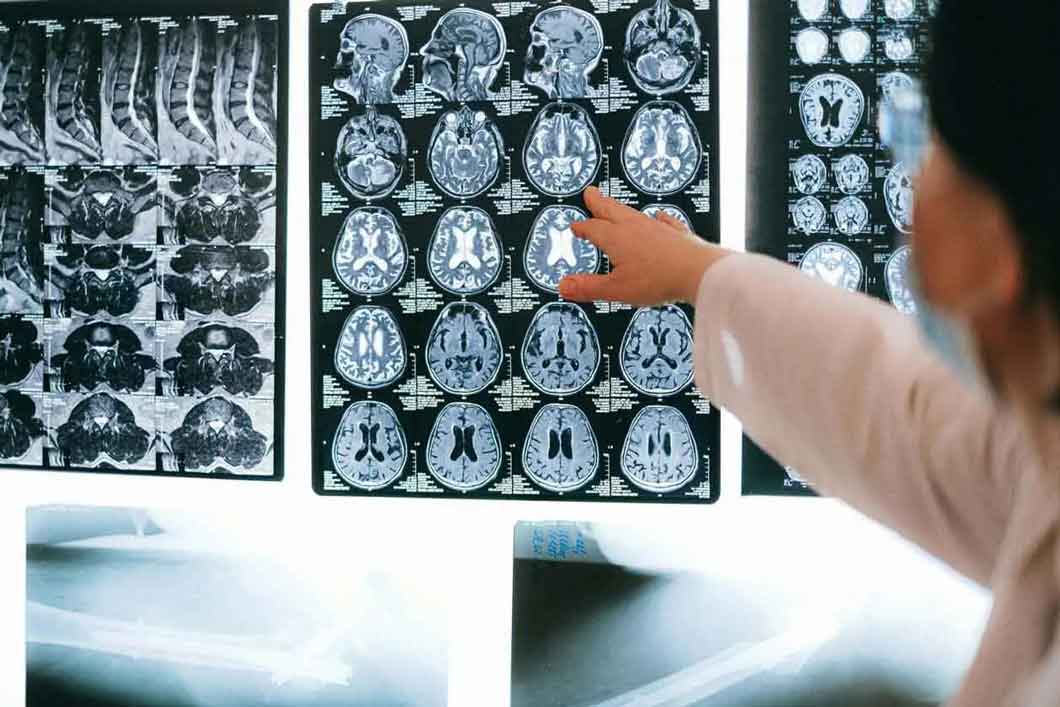
Diagnostic imaging, including CT scans and MRIs, helps identify structural brain damage and bleeding. These tests provide objective evidence of injury severity and guide treatment decisions. Serial imaging may be necessary to monitor recovery progress.

1- Ongoing Medical Care

Neurological evaluation by specialists helps assess cognitive function and identify specific deficits. Neuropsychological testing measures memory, attention, processing speed, and other cognitive abilities. These assessments provide baselines for measuring recovery progress.

Rehabilitation services include physical therapy, occupational therapy, and speech therapy. These services help brain injury survivors regain lost abilities and develop compensatory strategies. The duration and intensity of rehabilitation vary based on injury severity.

Psychiatric treatment addresses the emotional and behavioral consequences of brain injuries. Depression, anxiety, and personality changes are common following TBI. Mental health professionals specializing in brain injury provide essential support services.

2- Alternative Treatments

Cognitive rehabilitation focuses on improving memory, attention, and problem-solving abilities. These programs use various techniques to help brain injury survivors compensate for cognitive deficits and improve daily functioning.

Vocational rehabilitation helps individuals return to work or find new employment suited to their abilities post-injury. These services may include job training, workplace accommodations, and career counseling.

Support groups provide emotional support and practical advice from others who have experienced similar injuries. These groups help reduce isolation and provide valuable coping strategies.

Call us NOW for FREE Consultation for Traumatic Brain Injuries Claim in Toronto

Contact us at [email protected] or call 647-363-7677 for a free consultation.

6 Time Limits and Legal Deadlines

Ontario’s Limitations Act establishes strict deadlines for filing brain injury lawsuits. Generally, claimants have two years from the discovery of the injury to commence legal action. However, brain injury cases may present unique timing challenges.

The discovery rule can extend limitation periods when brain injuries are not immediately apparent. Symptoms may develop gradually, making it difficult to determine when the limitation period begins. Legal consultation is essential for understanding these complex timing issues.

Exceptions to Limitation Periods

Minors and individuals with mental incapacity may have extended limitation periods. Brain injuries that impair cognitive function may affect an individual’s ability to understand their legal rights, potentially extending deadlines.

Ongoing symptoms and treatment can complicate timing decisions. While it may be tempting to wait until maximum medical improvement, this delay can risk exceeding limitation periods. Early legal consultation helps preserve rights while allowing for proper medical evaluation.

No-fault insurance benefits have separate application deadlines. These benefits provide immediate support for medical expenses and income replacement while pursuing legal action. Failing to apply promptly can result in loss of these important benefits.

7 Working with Affinity Law

Our traumatic brain injury lawyers bring decades of combined experience to brain injury cases. We understand the unique challenges these cases present and have developed effective strategies for achieving successful outcomes.

Comprehensive case evaluation begins with a thorough review of medical records, accident reports, and witness statements. We identify all potential sources of compensation and develop strategies for maximizing recovery.

1- Our Approach to TBI Cases

Client-centered representation means we prioritize our clients’ needs and goals throughout the legal process. We maintain regular communication and involve clients in all major decisions affecting their cases.

The multidisciplinary team approach involves collaboration with medical experts, economists, and other professionals. This team ensures all aspects of the injury’s impact are properly addressed and compensated.

Aggressive advocacy protects our clients’ rights against insurance companies and opposing counsel. We prepare every case for trial while remaining open to fair settlement negotiations.

2- Resources and Support

Family support services recognize that brain injuries affect entire families. We provide guidance and resources to help families understand and cope with the challenges ahead.

Educational resources help clients understand their injuries, treatment options, and legal rights. We provide clear explanations of complex medical and legal concepts.

Financial guidance addresses the immediate financial challenges brain injury survivors face. We help clients access available benefits and manage expenses during the legal process.

8 Contact Affinity Law Today

If you or a loved one has suffered a traumatic brain injury, time is critical. Early legal intervention protects your rights and ensures proper evidence preservation. Our experienced traumatic brain injury lawyers are ready to fight for the compensation you deserve.

Contact Affinity Law immediately for a free consultation. We’ll evaluate your case, explain your legal options, and develop a strategy for achieving the best possible outcome. Our team understands the devastating impact of brain injuries and is committed to helping you rebuild your life.

Don’t let insurance companies minimize your claim. Trust Affinity Law’s experienced brain injury lawyers to protect your rights and secure the compensation you need for your recovery. Call us today to schedule your free consultation and take the first step toward justice.

Your future depends on the decisions you make today. Let Affinity Law’s traumatic brain injury lawyers guide you through this challenging time and fight for the compensation you deserve. Contact us now to begin your journey toward recovery and justice.

Call us NOW for FREE Consultation for Traumatic Brain Injuries Claim in Toronto

Contact us at [email protected] or call 647-363-7677 for a free consultation.

Free consultation

Free consultation

Name(Required)

You May Have Some Questions

Frequently asked questions

How long do I have to file a brain injury lawsuit? toggle icon

Generally, you have two years from the date of injury discovery to file a lawsuit. However, brain injury cases may involve complex timing issues that require legal evaluation.

What if my symptoms didn't appear immediately after the accident?  toggle icon

Delayed symptom onset is common in brain injury cases. The limitation period may begin when symptoms are discovered rather than when the accident occurred.

Can I still recover compensation if I was partially at fault?  toggle icon

Ontario’s comparative negligence laws allow recovery even when you share some fault. However, your compensation will be reduced by your percentage of fault.

What types of damages can I recover? toggle icon

Brain injury victims may recover medical expenses, lost wages, future earning capacity, pain and suffering, and future care costs.

How long will my case take? toggle icon

Brain injury cases typically take 2-5 years to resolve, depending on complexity and settlement negotiations. Some cases may require a trial, extending the timeline.

Should I accept the insurance company's first offer?  toggle icon

Initial offers rarely reflect the full value of brain injury claims. Consultation with an experienced brain injury lawyer is essential before accepting any settlement.

How long do I have to file a brain injury lawsuit? toggle icon

Generally, you have two years from the date of injury discovery to file a lawsuit. However, brain injury cases may involve complex timing issues that require legal evaluation.

What if my symptoms didn't appear immediately after the accident?  toggle icon

Delayed symptom onset is common in brain injury cases. The limitation period may begin when symptoms are discovered rather than when the accident occurred.

Can I still recover compensation if I was partially at fault?  toggle icon

Ontario’s comparative negligence laws allow recovery even when you share some fault. However, your compensation will be reduced by your percentage of fault.

What types of damages can I recover? toggle icon

Brain injury victims may recover medical expenses, lost wages, future earning capacity, pain and suffering, and future care costs.

How long will my case take? toggle icon

Brain injury cases typically take 2-5 years to resolve, depending on complexity and settlement negotiations. Some cases may require a trial, extending the timeline.

Should I accept the insurance company's first offer?  toggle icon

Initial offers rarely reflect the full value of brain injury claims. Consultation with an experienced brain injury lawyer is essential before accepting any settlement.

How long do I have to file a brain injury lawsuit? toggle icon

Generally, you have two years from the date of injury discovery to file a lawsuit. However, brain injury cases may involve complex timing issues that require legal evaluation.

What if my symptoms didn't appear immediately after the accident?  toggle icon

Delayed symptom onset is common in brain injury cases. The limitation period may begin when symptoms are discovered rather than when the accident occurred.

Can I still recover compensation if I was partially at fault?  toggle icon

Ontario’s comparative negligence laws allow recovery even when you share some fault. However, your compensation will be reduced by your percentage of fault.

What types of damages can I recover? toggle icon

Brain injury victims may recover medical expenses, lost wages, future earning capacity, pain and suffering, and future care costs.

How long will my case take? toggle icon

Brain injury cases typically take 2-5 years to resolve, depending on complexity and settlement negotiations. Some cases may require a trial, extending the timeline.

Should I accept the insurance company's first offer?  toggle icon

Initial offers rarely reflect the full value of brain injury claims. Consultation with an experienced brain injury lawyer is essential before accepting any settlement.

How long do I have to file a brain injury lawsuit? toggle icon

Generally, you have two years from the date of injury discovery to file a lawsuit. However, brain injury cases may involve complex timing issues that require legal evaluation.

What if my symptoms didn't appear immediately after the accident?  toggle icon

Delayed symptom onset is common in brain injury cases. The limitation period may begin when symptoms are discovered rather than when the accident occurred.

Can I still recover compensation if I was partially at fault?  toggle icon

Ontario’s comparative negligence laws allow recovery even when you share some fault. However, your compensation will be reduced by your percentage of fault.

What types of damages can I recover? toggle icon

Brain injury victims may recover medical expenses, lost wages, future earning capacity, pain and suffering, and future care costs.

How long will my case take? toggle icon

Brain injury cases typically take 2-5 years to resolve, depending on complexity and settlement negotiations. Some cases may require a trial, extending the timeline.

Should I accept the insurance company's first offer?  toggle icon

Initial offers rarely reflect the full value of brain injury claims. Consultation with an experienced brain injury lawyer is essential before accepting any settlement.

How long do I have to file a brain injury lawsuit? toggle icon

Generally, you have two years from the date of injury discovery to file a lawsuit. However, brain injury cases may involve complex timing issues that require legal evaluation.

What if my symptoms didn't appear immediately after the accident?  toggle icon

Delayed symptom onset is common in brain injury cases. The limitation period may begin when symptoms are discovered rather than when the accident occurred.

Can I still recover compensation if I was partially at fault?  toggle icon

Ontario’s comparative negligence laws allow recovery even when you share some fault. However, your compensation will be reduced by your percentage of fault.

What types of damages can I recover? toggle icon

Brain injury victims may recover medical expenses, lost wages, future earning capacity, pain and suffering, and future care costs.

How long will my case take? toggle icon

Brain injury cases typically take 2-5 years to resolve, depending on complexity and settlement negotiations. Some cases may require a trial, extending the timeline.

Should I accept the insurance company's first offer?  toggle icon

Initial offers rarely reflect the full value of brain injury claims. Consultation with an experienced brain injury lawyer is essential before accepting any settlement.

How long do I have to file a brain injury lawsuit? toggle icon

Generally, you have two years from the date of injury discovery to file a lawsuit. However, brain injury cases may involve complex timing issues that require legal evaluation.

What if my symptoms didn't appear immediately after the accident?  toggle icon

Delayed symptom onset is common in brain injury cases. The limitation period may begin when symptoms are discovered rather than when the accident occurred.

Can I still recover compensation if I was partially at fault?  toggle icon

Ontario’s comparative negligence laws allow recovery even when you share some fault. However, your compensation will be reduced by your percentage of fault.

What types of damages can I recover? toggle icon

Brain injury victims may recover medical expenses, lost wages, future earning capacity, pain and suffering, and future care costs.

How long will my case take? toggle icon

Brain injury cases typically take 2-5 years to resolve, depending on complexity and settlement negotiations. Some cases may require a trial, extending the timeline.

Should I accept the insurance company's first offer?  toggle icon

Initial offers rarely reflect the full value of brain injury claims. Consultation with an experienced brain injury lawyer is essential before accepting any settlement.

How long do I have to file a brain injury lawsuit? toggle icon

Generally, you have two years from the date of injury discovery to file a lawsuit. However, brain injury cases may involve complex timing issues that require legal evaluation.

What if my symptoms didn't appear immediately after the accident?  toggle icon

Delayed symptom onset is common in brain injury cases. The limitation period may begin when symptoms are discovered rather than when the accident occurred.

Can I still recover compensation if I was partially at fault?  toggle icon

Ontario’s comparative negligence laws allow recovery even when you share some fault. However, your compensation will be reduced by your percentage of fault.

What types of damages can I recover? toggle icon

Brain injury victims may recover medical expenses, lost wages, future earning capacity, pain and suffering, and future care costs.

How long will my case take? toggle icon

Brain injury cases typically take 2-5 years to resolve, depending on complexity and settlement negotiations. Some cases may require a trial, extending the timeline.

Should I accept the insurance company's first offer?  toggle icon

Initial offers rarely reflect the full value of brain injury claims. Consultation with an experienced brain injury lawyer is essential before accepting any settlement.

Our Stories

[instagram-feed feed=1]