1 What is Public Property? - Which Property Will be Considered as Public Property in Such a Situation
Public property refers to spaces that are owned, maintained, or controlled by government entities, whether municipal, provincial, or federal. Examples include sidewalks, streets, parks, public buildings, and recreational areas.
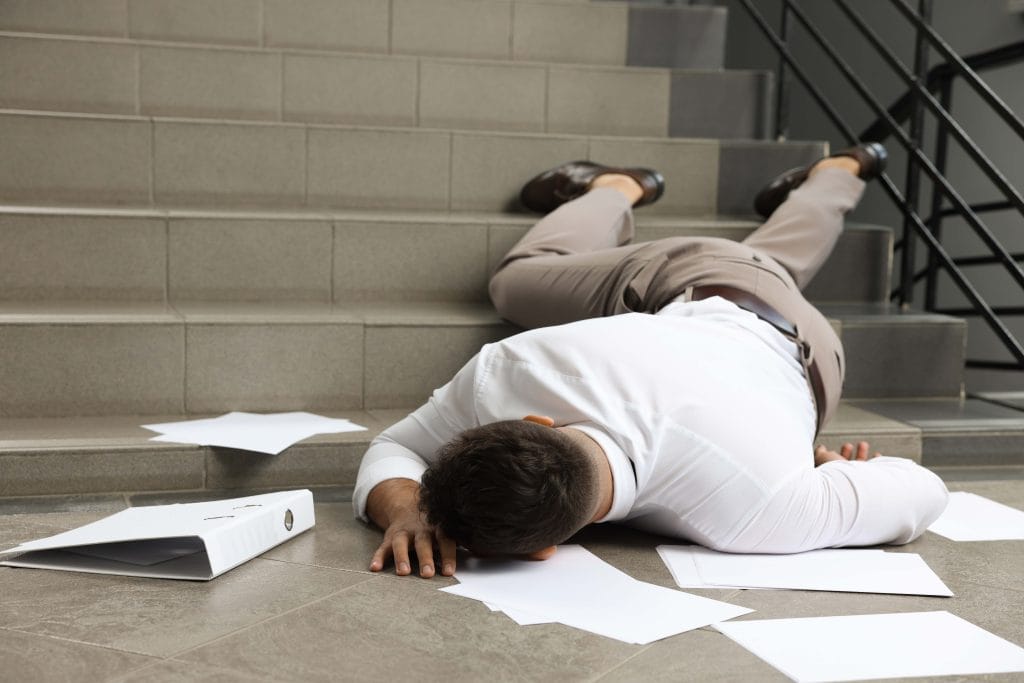
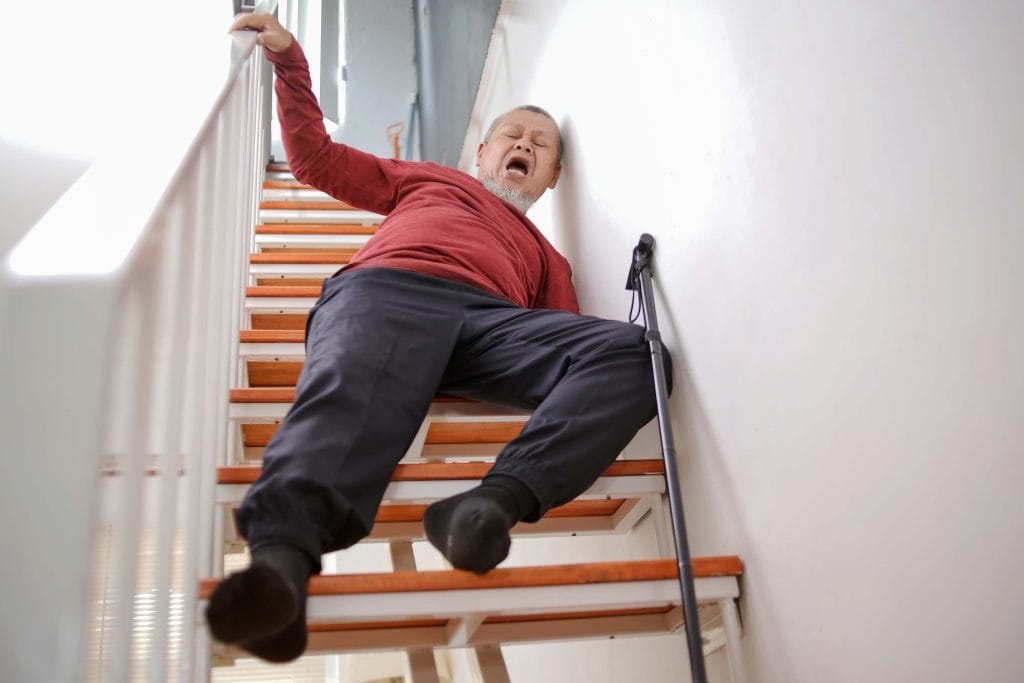
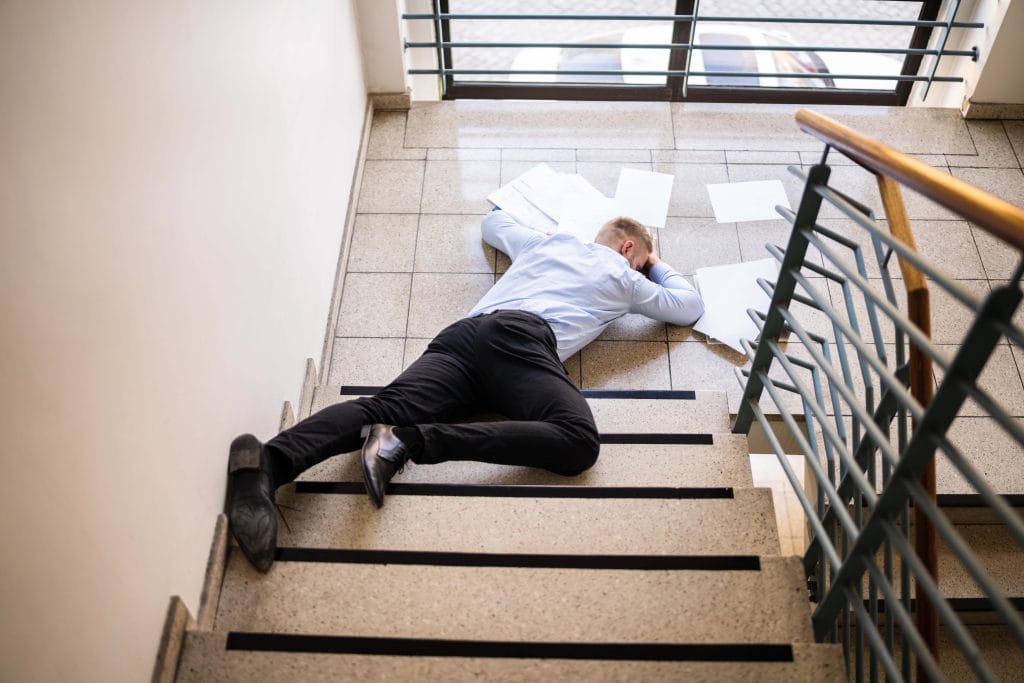
These properties are meant to be safe for public use, and when negligence occurs, it can lead to slip and fall accidents.
Since public property is generally open for all to use, its upkeep is essential for the safety of the community, making it the responsibility of the government or relevant authority to prevent hazardous conditions. Contact our slip and fall lawyer to get more insights on your specilized slip & fall in public property case.
2 Common Causes of Slip and Fall on Public Property
Slip and fall incidents on public property can result from various unsafe conditions, including:
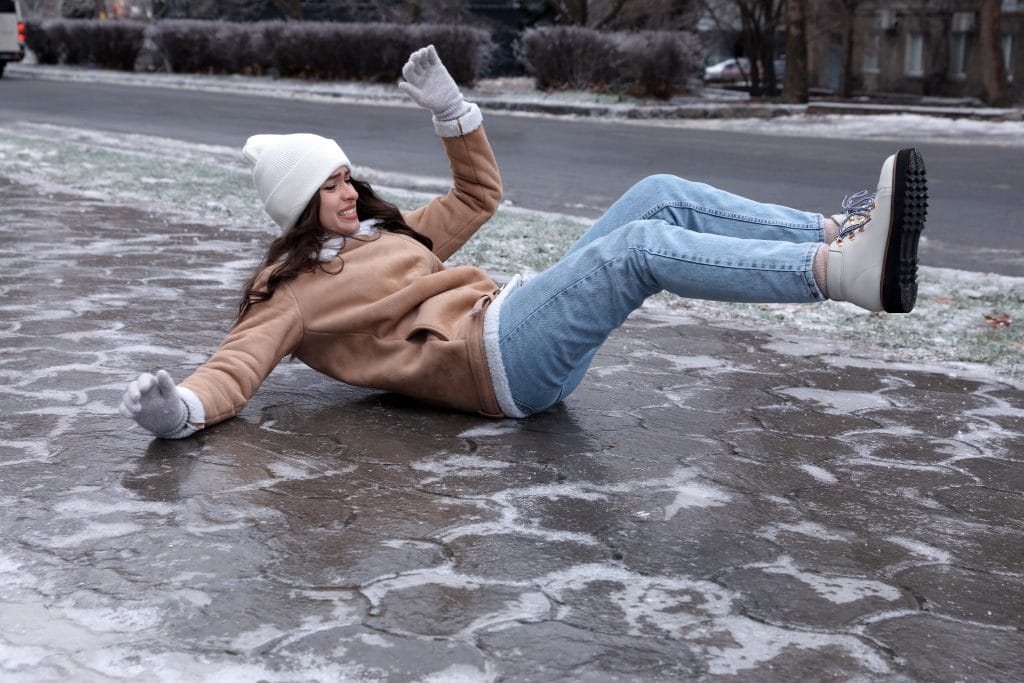
- Icy sidewalks: A common hazard during winter, making surfaces slippery and dangerous.
- Uneven surfaces: Cracks in sidewalks, poorly aligned pavement, or broken curbs pose a significant risk.
- Water and debris accumulation: Unattended puddles or trash in walkways create hazardous conditions.
- Poor lighting: Lack of proper lighting in parks, walkways, or parking areas increases the risk of falls.
- Unmarked hazards: Potholes, unsealed cracks, and other hazards can cause people to trip unexpectedly.
All of these risks contribute to a dangerous environment that could lead to serious injuries. It is the responsibility of municipalities to address these issues through timely maintenance and proactive measures to ensure public safety.
3 Legal Duty of Care for Municipalities
Municipalities and other government entities have a legal duty to maintain their properties in a reasonable condition to prevent accidents. Under the Municipal Act, 2001 and Occupiers’ Liability Act, they are responsible for ensuring public spaces are safe for those who use them.
This duty extends not only to ensure that hazardous conditions are addressed but also to inspect and maintain public spaces regularly. Failure to uphold this duty can lead to liability if an injury occurs as a result of negligence. In this case, our slip and fall lawyer will assist you in claiming your benefits.
4 The Municipal Act and Liability
The Municipal Act, 2001 (Section 44) outlines the responsibilities of municipalities in Ontario for maintaining public property, including sidewalks, roads, and public parks. If a municipality fails to keep these properties in a reasonable state of repair, it can be held liable for any injuries resulting from unsafe conditions.
The municipality is expected to act in a reasonable manner to maintain the safety of public spaces, and failure to do so can result in legal consequences if someone is injured as a result of neglect.
Gross Negligence
For a municipality to be found liable, it must have acted with gross negligence. This means that the municipality must have been so careless or reckless in maintaining the property that their actions directly caused harm to an individual. Examples of gross negligence may include:
- Ignoring known hazards despite repeated complaints.
- Failing to clear snow and ice on time.
- Not repairing known damages in a timely manner.
Municipalities have a responsibility to address issues promptly. If they act with reckless disregard for public safety, they may be held accountable for the resulting harm.
Meet Our Professional Slip and Fall Lawyers Near You in Toronto and GTA
Contact our office at info@affinity.law or call at 647-363-7677 for a free case assessment and consultation.
5 The 10-Day Notice Requirement
In cases of slip and fall accidents on public property, injured individuals are required to give written notice to the municipal clerk within 10 days of the incident. This can be done with the help of a professional slip and fall lawyer like we have at Affinity Law in Toronto, Canada.
This is crucial for pursuing a claim, as failing to meet this deadline could limit the ability to seek compensation.
The law places this time frame in place to ensure that municipalities have an opportunity to investigate the incident and address any safety concerns that may prevent future accidents.
- Notice contents: The notice must include the date, time, and location of the incident, along with a brief description of the injury.
- Exceptions: If the individual dies as a result of the injury or has a reasonable excuse for missing the deadline, they may still be able to pursue a claim.
This short notice period emphasizes the urgency of documenting the incident and notifying the municipality promptly, so it is important to act quickly following a slip and fall accident. To save your time, contact our slip and fall lawyer today and let us handle your notice requirements.
6 Municipal Liability and the Duty to Repair
Municipalities are required by law to repair public property, such as sidewalks and streets, within a reasonable timeframe. If they fail to do so and an accident occurs, they can be held liable. However, proving liability often requires showing that the municipality acted with gross negligence.
It’s not enough to just demonstrate that a hazard existed; it must also be proven that the municipality neglected its duties by either ignoring the problem or failing to address it in a timely manner.
7 Key Court Decisions on Municipal Liability - Discuss with Slip and Fall Lawyer
There are several important court cases that have shaped the interpretation of municipal liability for slip and fall accidents:
- Graham v. City of Toronto: In this case, the court ruled that the plaintiff’s failure to provide notice within the 10-day period was excused, as they had a reasonable excuse for the delay, and the municipality was not prejudiced by it.
- Labanowicz v. Fort Erie (Town): This case clarified that intentional harm or damage is not required for a municipality to be found liable under the Occupiers’ Liability Act.
These court decisions help clarify when municipalities may be held liable and set important precedents for future cases involving public property. Our professional and expert slip and fall lawyers will help you and your loved ones to get the compensiation you deserve.
8 Who Can Be Held Liable? - Slip and Fall on Public Property
In slip and fall accidents on public property, the responsible party could be the local municipality or a third-party contractor hired by the municipality. For example:
- Local government: In cases where a slip and fall occurs on a municipal sidewalk or public space, the city or town is typically responsible for maintaining the area.
- Third-party contractors: If the municipality has contracted the maintenance work (e.g., snow removal or repairs) to a private company, that company may be held liable for negligence.
Understanding who is responsible can often be challenging, especially when third-party contractors are involved, which is why it’s crucial to seek legal assistance to determine all responsible parties.
9 Proving Liability in Slip and Fall Cases -
To win a slip and fall claim on public property, the injured party must prove that:
- The municipality or responsible entity failed to maintain the property in a safe condition.
- The failure directly caused the injury.
- The injury occurred due to negligence or gross negligence.
A thorough investigation is required to gather evidence such as photos of the hazard, witness statements, and medical reports. By proving these elements, the injured party strengthens their case and increases the likelihood of obtaining compensation.
10 Contributory Negligence
In some cases, the injured party may be found partially responsible for the accident. This concept, known as contributory negligence, means that if the plaintiff did not take reasonable care to avoid the hazard (e.g., failing to look where they were walking or wearing inappropriate footwear), the compensation may be reduced.
However, this does not necessarily mean the injured party will be barred from receiving compensation, but the amount may be adjusted according to the degree of responsibility.
11 Steps to Take After a Slip and Fall on Public Property
If you’ve been injured in a slip and fall on public property, there are several important steps to follow:
- Seek medical attention: Your health and safety should be your top priority. Even if your injury seems minor, it’s essential to see a doctor.
- Report the incident: Notify the municipality or relevant authority immediately. Get a copy of the incident report for your and our slip and fall lawyer records.
- Document the scene: Take photos of the area where the accident occurred, especially any hazards that caused the fall.
- Collect witness information: If there were any witnesses, ask for their contact details. Their testimony can strengthen your case.
- Contact a personal injury lawyer: An experienced lawyer can help you understand your rights, ensure the proper notice is given, and guide you through the legal process.
Following these steps ensures that your claim is properly documented, increasing your chances of a successful outcome.
12 Compensation for Slip and Fall on Public Property
If you’ve been injured in a slip and fall on public property, you may be entitled to compensation for:
- Medical expenses: Covers doctor visits, hospital bills, therapy, and medication.
- Pain and suffering: Compensation for the physical pain and emotional distress caused by the injury.
- Lost wages: If the injury prevents you from working, you can claim lost income.
- Property damage: If personal items were damaged during the fall (e.g., glasses, phone), you may be entitled to reimbursement.
Compensation for these damages helps you recover financially while you focus on your physical and emotional healing.
Contact Our Professional Slip and Fall Lawyers Near You in Toronto and GTA
Contact our office at info@affinity.law or call at 647-363-7677 for a free case assessment and consultation.
13 Conclusion
Slip and fall accidents on public property can lead to serious injuries, and determining who is at fault can be complex. Municipalities and their contractors have a responsibility to maintain public spaces, but proving negligence requires a thorough understanding of the law.
If you’ve been injured on public property, it’s important to act quickly and seek legal assistance to ensure your rights are protected. Consulting with an experienced lawyer ensures you navigate the legal process efficiently and that you are fully compensated for your injuries.
Contact Affinity Law Firm today to speak with a personal injury lawyer who can help you navigate the legal process and get the compensation you deserve.