1 What is a Slip and Fall Accident?
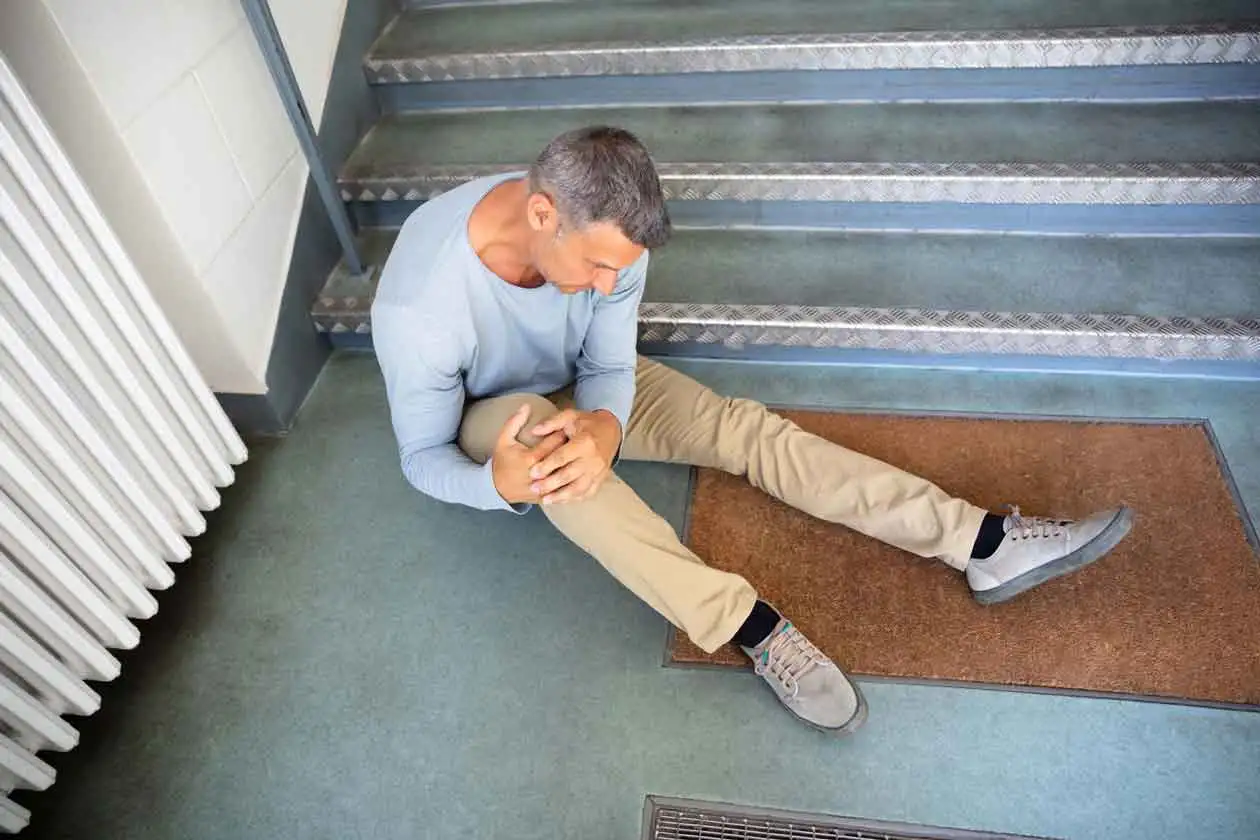
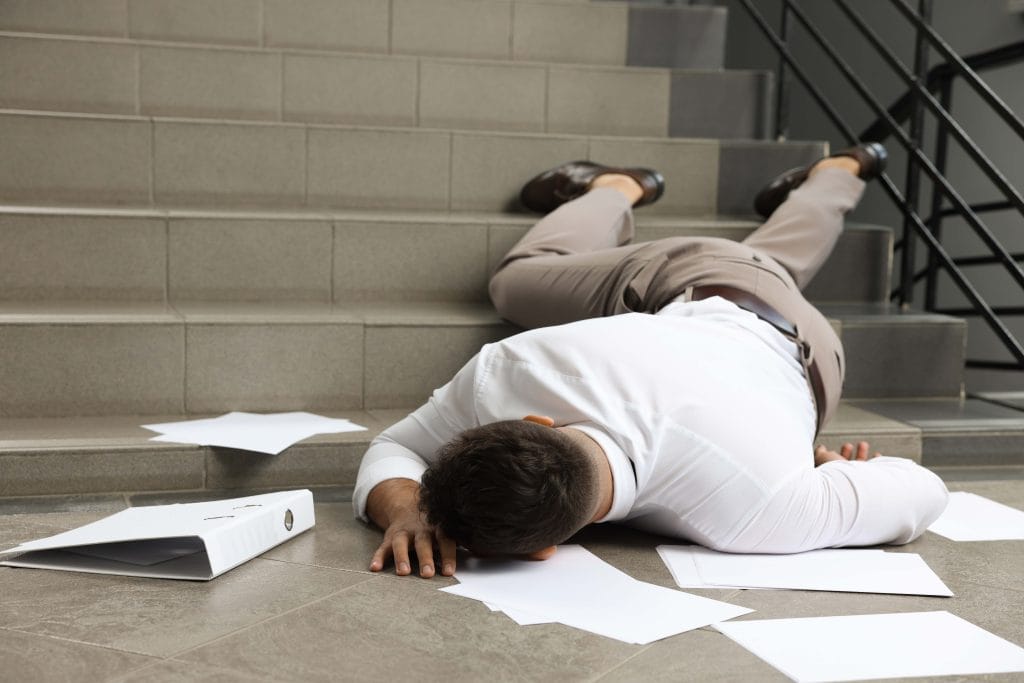
A slip and fall accident occurs when a person’s foot gets caught on an object or hazard on the ground, causing them to lose their balance and fall. These types of accidents are distinct from slip and fall accidents, which usually occur due to wet or slippery surfaces.
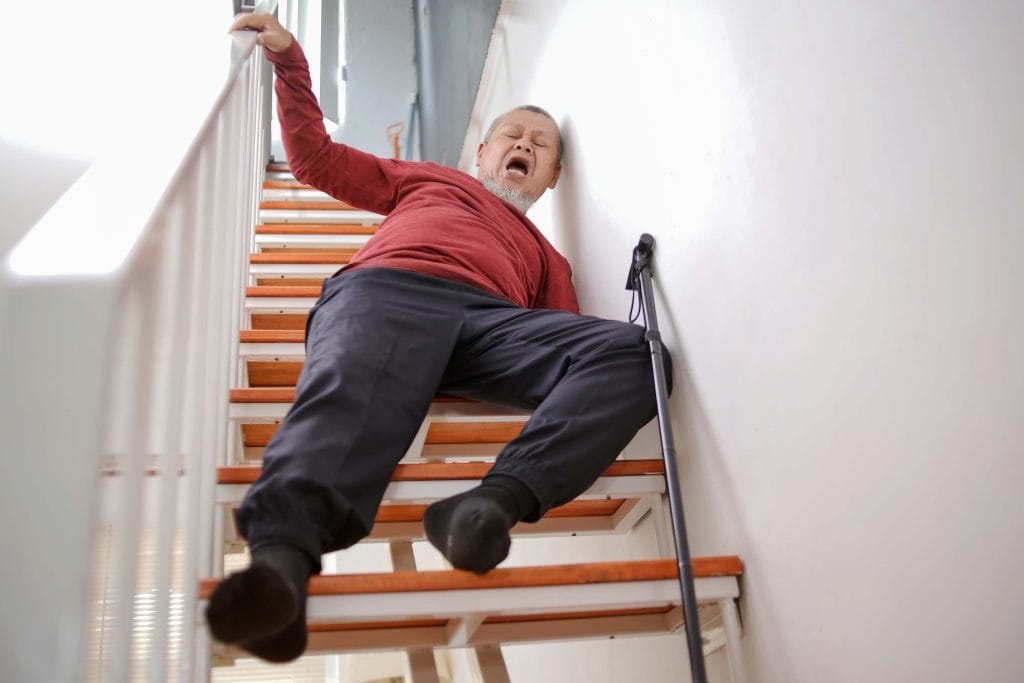
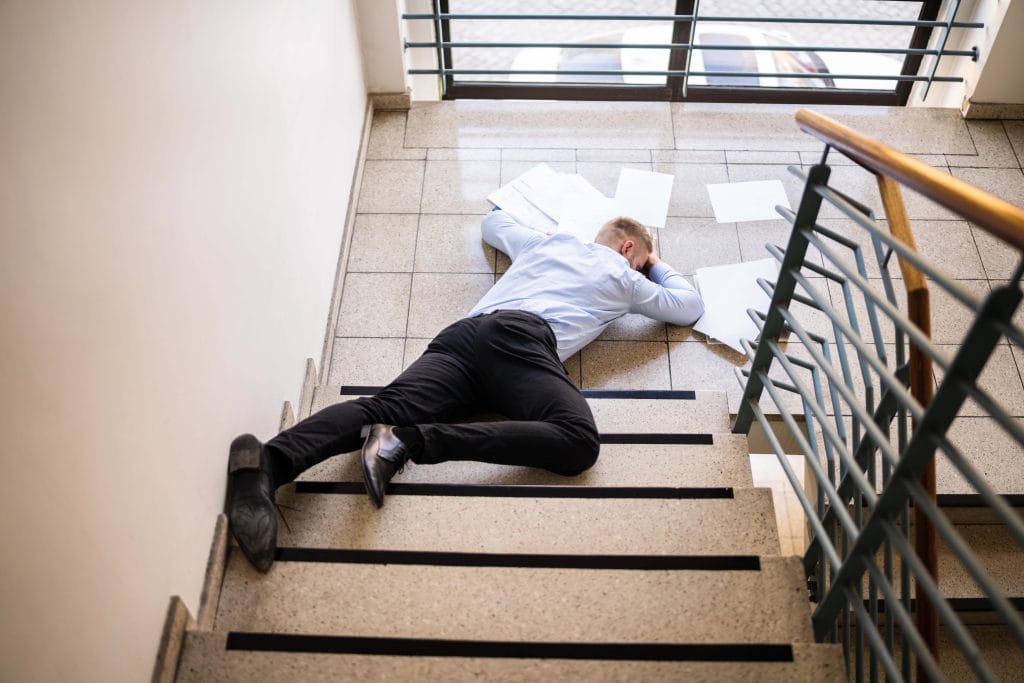
When someone slips, they typically fall forward, landing on their knees, chest, or face. The injuries sustained in a slip and fall can be severe, ranging from cuts and bruises to more serious injuries such as fractures, head trauma, and soft tissue damage.
Common causes of slip and fall accidents on private property include:
- Uneven surfaces: Cracked or uneven pavement, poorly maintained floors, and gaps in flooring can all create slip hazards.
- Debris on the floor: Items left in walkways, such as toys, boxes, or garbage, can cause someone to slip and fall.
- Power cords or wires: Cords running across walkways or high-traffic areas can easily cause someone to slip.
- Changes in elevation: Unexpected steps or changes in height can result in slip accidents.
- Poor lighting: Dimly lit areas can make it difficult to see potential hazards, increasing the likelihood of a slip and fall.
2 The Legal Framework: Occupiers' Liability Act
In Ontario, the Occupiers’ Liability Act governs cases related to slip and fall and slip and fall accidents. This legislation places a legal duty on property owners (referred to as “occupiers”) to ensure that their premises are reasonably safe for visitors.
The occupier must take reasonable steps to prevent accidents by maintaining safe conditions, repairing hazards, and warning visitors of potential dangers.
The Occupiers’ Liability Act applies to both residential and commercial properties, and it holds property owners accountable if someone is injured due to unsafe conditions on their property. The Act stipulates that the occupier must maintain the property in a condition that ensures visitors’ safety, which includes:
- Regularly inspecting the property for hazards.
- Promptly fixing any dangerous conditions such as cracks, loose flooring, or exposed wiring.
- Providing adequate warnings of hazards that cannot be immediately repaired, such as wet floors or icy conditions.
3 When is a Property Owner Liable for a Slip and Fall Accident?
Under the Occupiers’ Liability Act, a property owner may be held liable for a slip and fall accident if the following criteria are met:
- The occupier owed a duty of care: The property owner or occupier must have a legal duty to ensure that the premises are safe for visitors. This includes both the property itself and any objects or hazards that may cause an accident.
- The occupier breached this duty: The occupier must have failed to take reasonable steps to prevent a hazard or to fix a dangerous condition on the property. For example, if the property owner failed to repair an uneven walkway or failed to provide a warning sign for a slippery surface, they may be deemed to have breached their duty of care.
- The breach caused the accident: The victim must prove that the property owner’s failure to maintain the premises or fix a hazard directly led to their slip and fall accident. If the hazard that caused the fall was not a direct result of the property owner’s negligence, the occupier may not be held liable.
- The victim suffered damages: The victim must show that they suffered actual harm as a result of the accident. This could include medical expenses, lost income, pain and suffering, and other damages.
4 Who is an Occupier of Private Property?
The term “occupier” under the Occupiers’ Liability Act refers to anyone who owns or controls a property, including residential and commercial properties. The occupier is responsible for maintaining the premises and ensuring the safety of visitors.
Examples of occupiers of private property include:
- Homeowners: Individuals who own private homes, apartments, or recreational properties (e.g., cottages, cabins).
- Landlords and tenants: People who rent or lease properties, as well as property managers, may be considered occupiers of the premises.
- Business owners: Retail stores, restaurants, hotels, and other commercial property owners are considered occupiers of their establishments and are responsible for maintaining safe conditions for their customers and employees.
In some cases, there may be more than one occupier of a property. For example, a property manager may share responsibility with a landlord, or a business owner may share responsibility with a tenant. It’s important to identify all responsible parties when filing a personal injury claim to ensure that your case is properly handled.
5 Slip and Fall Accidents on Public Property
While the Occupiers’ Liability Act governs slip and fall accidents on private property, incidents on public property are subject to different legal rules. Public property is owned and maintained by municipalities or government entities, and slip and fall or slip and fall accidents on these properties may involve different deadlines, standards of proof, and procedures.
Common examples of public property include:
- Municipal sidewalks
- Roads and streets
- Parks and recreational areas
- Government buildings
When an accident occurs on public property, the responsible party may be the local municipality or government agency in charge of maintaining the premises. However, pursuing a claim against a public entity is generally more complex than making a claim against a private property owner. Public property claims typically require a higher standard of proof and different legal procedures.
6 Notice Period for Public Property Claims
One of the key differences between private and public property claims is the notice period. If you are injured in a slip and fall accident on public property, you must serve written notice to the relevant municipality or government entity within 10 days of the incident. This notice must include the date, time, and location of the accident, a brief description of what happened, and your contact details.
For private property claims, the notice period is typically 60 days for slip and fall accidents caused by snow or ice. However, if your slip and fall was caused by something other than ice or snow, the 60-day notice period may not apply. Nonetheless, it is always advisable to act quickly after an accident to ensure that evidence is preserved and the responsible parties are identified.
7 Contributory Negligence and Its Impact
Ontario law recognizes the concept of contributory negligence, which means that if you are partially at fault for your slip and fall accident, your compensation may be reduced accordingly. For example, if you were wearing inappropriate footwear or not paying attention to your surroundings, the court may find you partially responsible for the accident.
In cases where contributory negligence is found, the court will reduce your compensation based on the percentage of fault assigned to you. For instance, if you are deemed to be 20% at fault for your fall, your compensation may be reduced by 20%.
8 Common Causes of Slip and Fall Accidents on Private Property
Slip and fall accidents can occur for a variety of reasons. Some of the most common causes of these accidents on private property include:
- Uneven surfaces: Cracked or uneven pavement, loose tiles, and broken stairs can create slip hazards.
- Obstructions in walkways: Debris, such as fallen branches, trash, or tools, left in walkways can cause a slip and fall accident.
- Poorly maintained floors: Damaged flooring, such as loose carpets or broken floorboards, can create dangerous conditions.
- Power cords and wires: Cords left in walkways or high-traffic areas are common slip hazards in homes and businesses.
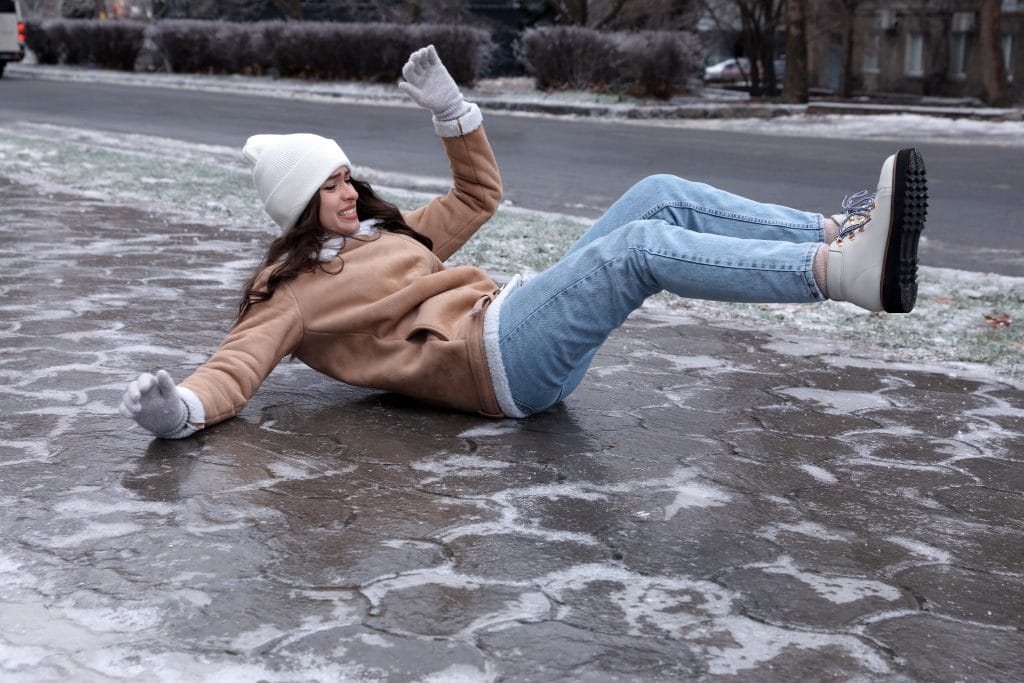
- Icy or snowy conditions: In winter, snow and ice accumulation on driveways, sidewalks, and stairs can increase the risk of falls.
Steps to Take After a Slip and Fall Accident on Private Property
If you’ve been injured in a slip and fall accident on private property, there are several important steps you should take to protect your legal rights and increase your chances of securing compensation:
- Seek medical attention immediately: Even if you do not feel seriously injured, it’s important to seek medical care right away. This will help document your injuries and create a medical record that can support your claim later.
- Report the accident to the property owner: Notify the property owner, manager, or tenant of the accident as soon as possible. It is important to get a written record of the incident.
- Document the scene: Take photographs of the area where the fall occurred, including any hazards that caused the slip and fall. Also, try to gather witness information, if possible.
- Contact a personal injury lawyer: A lawyer experienced in slip and fall and slip and fall cases can help you understand your legal options, investigate the circumstances of the accident, and ensure that all deadlines are met.
9 Types of Compensation Available for Slip and Fall Victims
If you have been injured in a slip and fall accident, you may be entitled to compensation for the following:
- Medical expenses: Compensation for hospital bills, doctor’s visits, surgery, rehabilitation, and other medical treatments related to your injury.
- Lost wages: If your injury prevents you from working, you may be entitled to compensation for lost income and future earning potential.
- Pain and suffering: You may receive compensation for the physical pain, emotional distress, and suffering caused by your injury.
- Out-of-pocket expenses: This includes any costs incurred as a result of the injury, such as transportation to medical appointments, home care, or special equipment.
10 Why You Should Seek Legal Assistance
Pursuing a claim for a slip and fall accident can be complicated, especially if the accident occurred on private property. An experienced personal injury lawyer can help you:
- Investigate the cause of the accident
- Gather and preserve evidence to prove liability
- Negotiate with insurance companies
- Represent you in court, if necessary
11 Conclusion
slip and fall accidents on private property can result in serious injuries that affect your health, finances, and quality of life. If you or someone you know has been injured in a slip and fall accident, it is important to understand your legal rights and the steps you need to take to pursue compensation.
At Kelly Greenway Bruce, our experienced team of personal injury lawyers is here to help you navigate the legal process and secure the compensation you deserve. Contact us today for a free case evaluation and let us assist you in holding negligent property owners accountable for their actions.