1 Types of Injuries from Nursing Home Falls
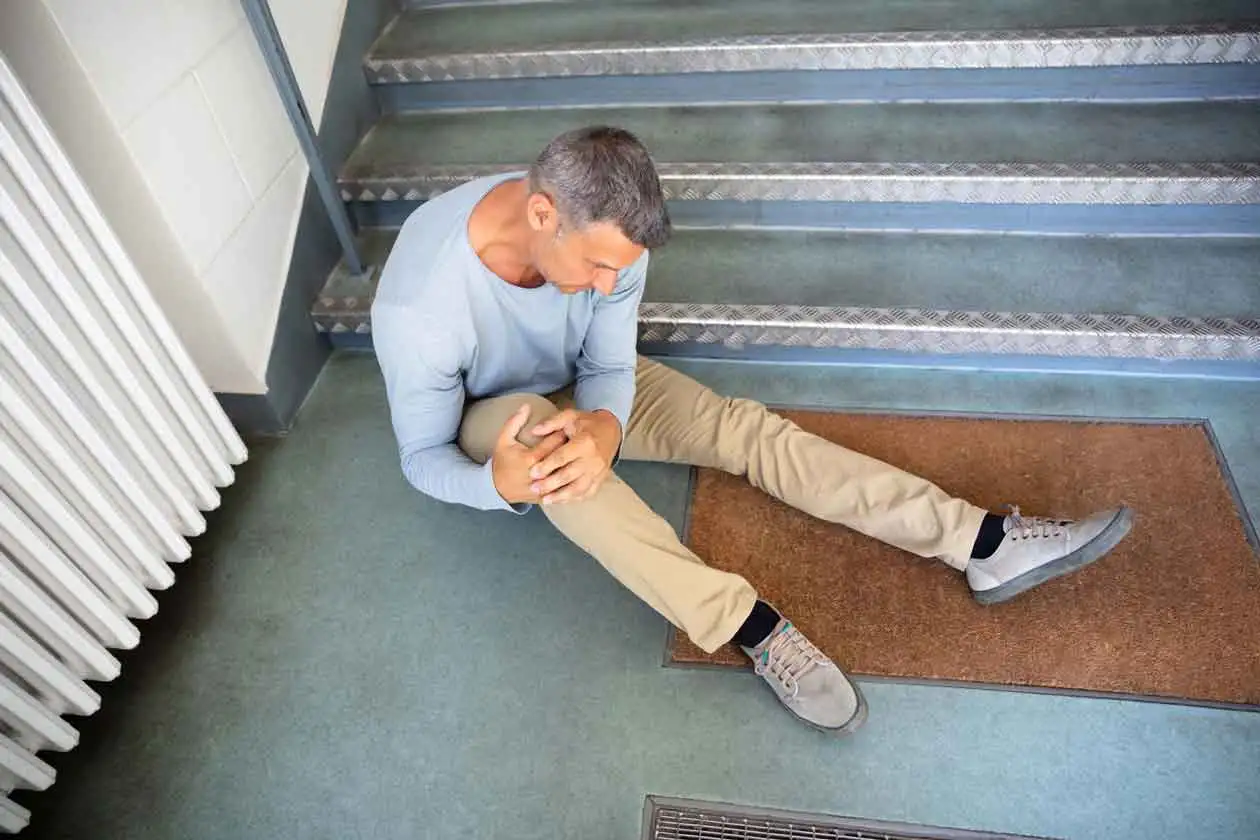
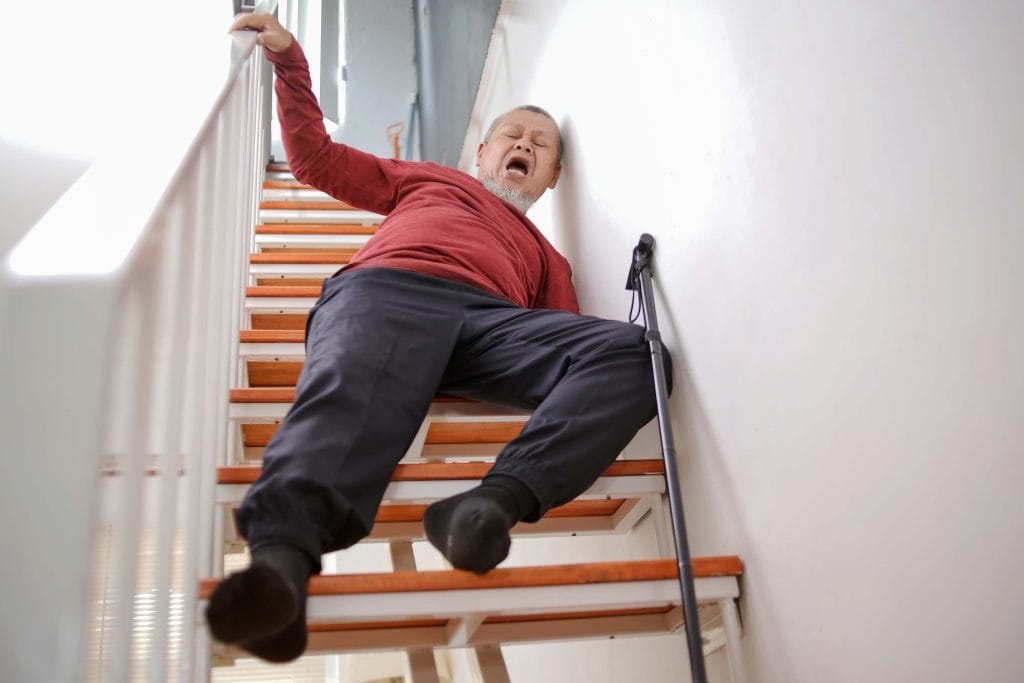
Falls in nursing homes frequently result in severe injuries that can permanently alter a resident’s quality of life. The combination of advanced age, underlying health conditions, and medication effects makes elderly individuals particularly vulnerable to serious complications from falls.
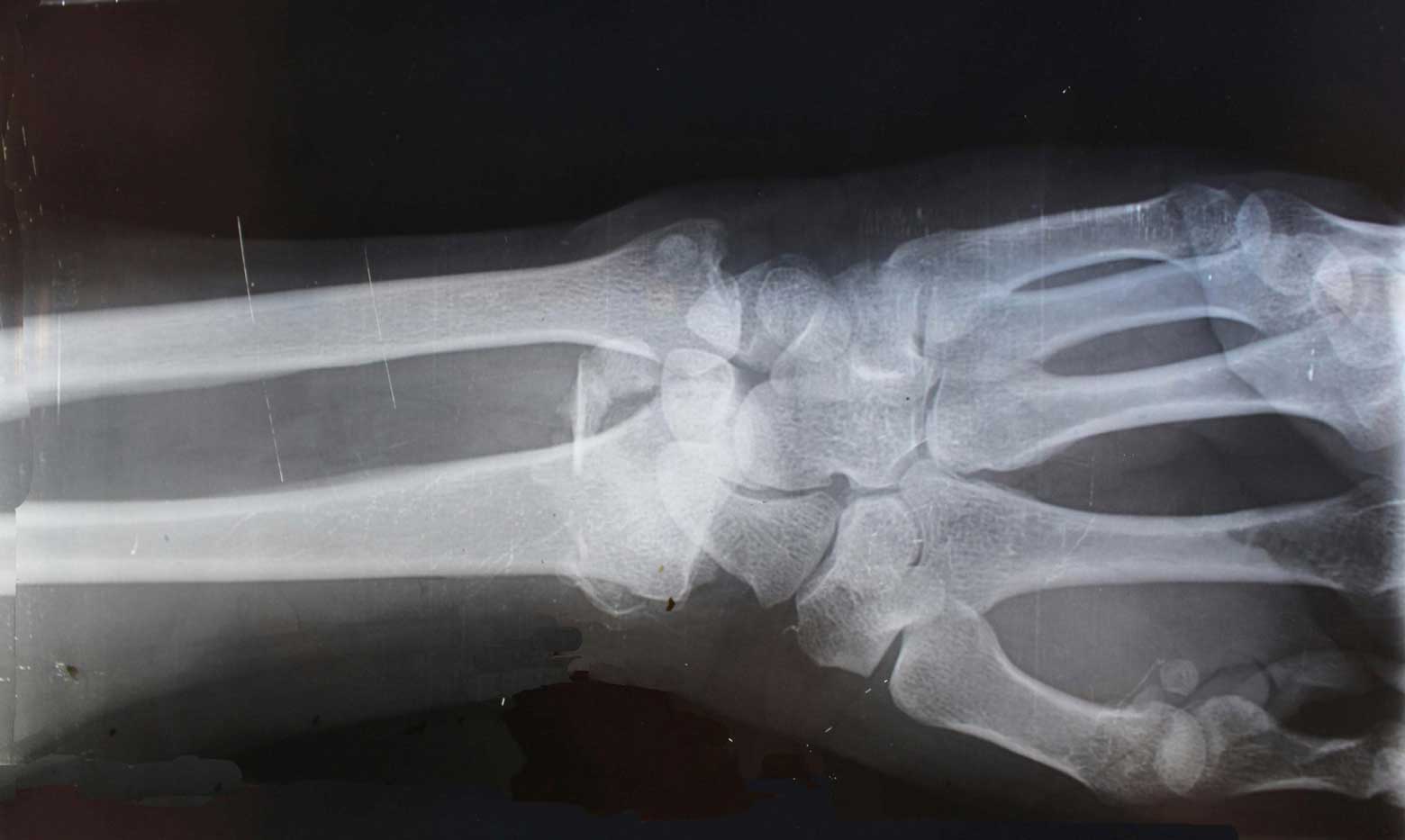
- Hip fractures represent the most common and devastating injury from nursing home falls. These injuries often require surgical intervention and lengthy rehabilitation periods. Many elderly residents never fully recover their pre-fall mobility levels. One in every 10 residents who falls has a serious injury, with hip fractures being among the most severe.
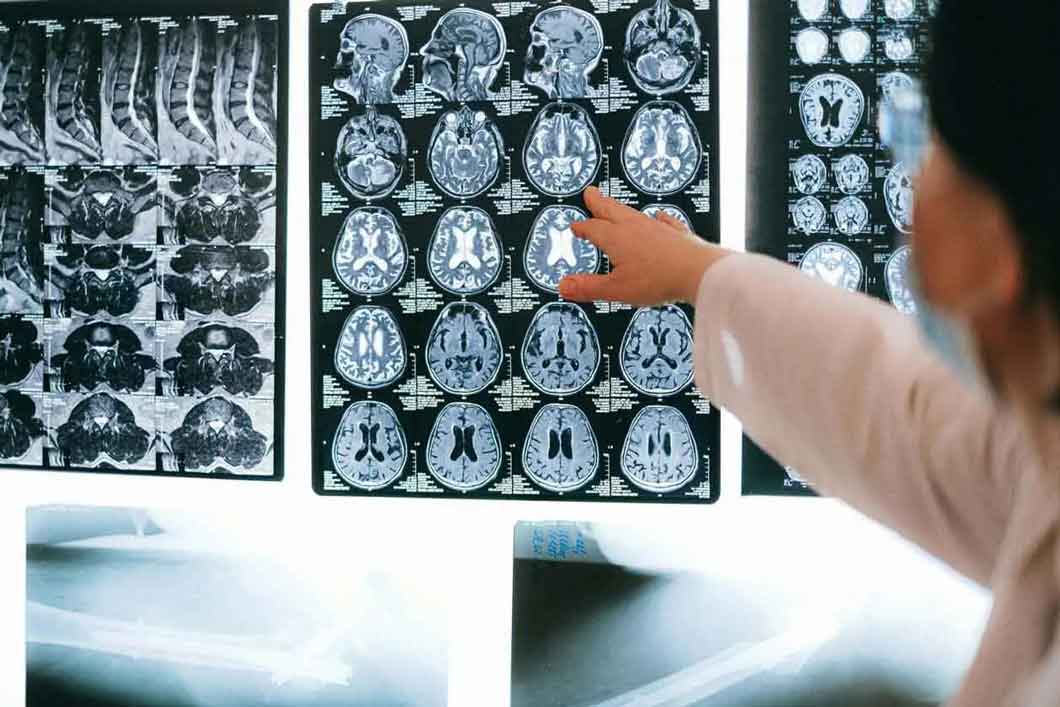
- Head injuries from falls can cause traumatic brain injuries, concussions, and intracranial bleeding. Given that many nursing home residents take blood-thinning medications, even minor head impacts can result in life-threatening complications. These injuries often require immediate emergency medical intervention.
- Spinal injuries from falls can cause permanent paralysis or chronic pain conditions. The elderly spine is particularly vulnerable to compression fractures and ligament damage. These injuries dramatically impact a resident’s independence and quality of life.
- Soft tissue injuries, including bruises, lacerations, and sprains, may seem minor but can have serious consequences for elderly residents. These injuries can lead to infections, blood clots, or mobility limitations that significantly impact overall health.
Psychological trauma from falls often proves as debilitating as physical injuries. Many residents develop severe anxiety about moving or participating in activities after experiencing a fall.
2 Legal Rights of Nursing Home Residents
Nursing home residents in Ontario possess fundamental rights that protect them from elderly care negligence. Understanding these rights is crucial for families seeking to hold facilities accountable for nursing home falls and other safety failures.
- The right to safe care forms the foundation of all other resident protections. Long-term care facilities must provide environments that minimize fall risks and protect resident safety. This includes proper staffing, environmental maintenance, and individualized care planning.
- The right to dignity and respect ensures that residents receive care that maintains their autonomy and personal dignity. This right extends to fall prevention, requiring facilities to implement safety measures that don’t unnecessarily restrict resident freedom or independence.
- The right to participate in care planning gives residents and families input into fall prevention strategies. Facilities must involve residents in developing individualized care plans that address specific fall risks and preferences for safety interventions.
- The right to file complaints protects residents who experience nursing home negligence. Facilities cannot retaliate against residents or families who report safety concerns or file formal complaints about care quality.
The right to quality care requires facilities to meet professional standards in all aspects of resident care. This includes implementing evidence-based fall prevention protocols and maintaining competent, adequately trained staff.
Get a FREE Consultation From the Dedicated Nursing Home Injury Lawyers at Affinity Law
Contact us at info@affinity.law or call 647-492-4489 for a free case consultation.
3 Toronto's Regulatory Framework for Long-Term Care
- Toronto’s long-term care system operates under comprehensive regulatory oversight designed to protect nursing home residents from harm. Understanding this framework helps families recognize when facilities violate their legal obligations.
- The Long-Term Care Homes Act establishes fundamental requirements for facility operations. This legislation mandates specific fall prevention protocols and requires facilities to maintain safe environments for residents. Violations of this Act can result in serious legal consequences for facilities.
- The Fixing Long-Term Care Act introduced additional protections following the COVID-19 pandemic. This legislation strengthened oversight mechanisms and enhanced penalties for facilities that fail to meet care standards.
- Ministry of Long-Term Care inspections provide ongoing monitoring of facility compliance with safety regulations. These inspections often reveal patterns of elderly care negligence that can support legal claims for families affected by nursing home falls.
- Coroner’s investigations into deaths following falls provide a detailed analysis of facility failures. These reports often document systemic problems that contribute to preventable injuries and deaths.
- Professional licensing requirements ensure that nursing home staff possess appropriate qualifications to provide safe care. When facilities employ unqualified staff or fail to provide adequate training, they may be held liable for resulting injuries.
4 Proving Negligence in Nursing Home Fall Cases
Successfully pursuing legal action for nursing home falls requires demonstrating that facility negligence caused or contributed to the incident. This process involves gathering extensive evidence and establishing clear connections between facility failures and resident injuries.
- Establishing a duty of care forms the first element of any nursing home negligence claim.
- Long-term care facilities owe residents a legal duty to provide safe environments and appropriate care. This duty extends to implementing reasonable fall prevention measures.
- Documenting a breach of duty requires showing how facilities failed to meet acceptable care standards. This might involve inadequate staffing, environmental hazards, or failure to follow established fall prevention protocols. Expert testimony often helps establish what reasonable care should have included.
- Proving causation connects facility failures to the resident’s fall and injuries. This requires demonstrating that proper care would have prevented the incident. Medical records, incident reports, and witness testimony all contribute to establishing this crucial link.
- Quantifying damages involves calculating all losses resulting from the fall. This includes medical expenses, pain and suffering, lost quality of life, and, in fatal cases, wrongful death damages. Experienced Toronto nursing home lawyers ensure all damages are properly valued.
- Overcoming facility defenses requires anticipating common arguments used by nursing home defendants. Facilities often claim that falls were unforeseeable or that residents assumed the risk of falling. Skilled legal representation can effectively counter these defenses.
5 Evidence Collection in Nursing Home Fall Cases
Building a strong case for nursing home falls requires systematic collection of evidence that documents facility failures and resident injuries. This process must begin immediately following an incident to preserve crucial evidence.
- Medical records provide the foundation for any nursing home negligence claim. These documents reveal the resident’s condition before and after the fall, treatments provided, and long-term consequences of injuries. Facilities often attempt to alter records after incidents, making prompt preservation essential.
- Incident reports document the facility’s knowledge of safety problems and its response to the fall. These internal documents often reveal admissions of fault or acknowledgment of preventable circumstances. Nursing home staff may attempt to minimize their liability in these reports.
- Staffing records demonstrate whether adequate personnel were present during the incident. Chronic understaffing often contributes to falls in nursing homes by preventing proper supervision and assistance. These records can reveal patterns of dangerous staffing practices.
- Training documentation shows whether staff received appropriate education about fall prevention protocols. Inadequate training often contributes to elderly care negligence by leaving staff unprepared to recognize and address fall risks.
- Surveillance footage may capture the actual fall or conditions leading to the incident. Many facilities have security cameras, but this footage is often deleted quickly unless preservation notices are served promptly.
- Witness statements from other residents, visitors, and staff members can provide crucial firsthand accounts of the incident and facility conditions. These witnesses may observe safety violations or inadequate care that contributed to the fall.
6 The Investigation Process for Nursing Home Falls
Thorough investigation of nursing home falls requires specialized expertise in elderly care standards and facility operations. At Affinity Law, our Toronto nursing home lawyers conduct comprehensive investigations that uncover all factors contributing to preventable incidents.
- Immediate response protocols guide our initial investigation steps. We work quickly to preserve evidence, interview witnesses, and secure medical records before facilities can alter or destroy crucial documentation. Time is critical in these cases.
- Expert witness engagement provides professional analysis of facility failures and care standards. Our network includes geriatricians, nursing experts, and facility administrators who can identify deviations from accepted care practices.
- Facility inspection and analysis examine environmental hazards, staffing patterns, and operational procedures that may have contributed to the fall. We often discover systemic problems that affect multiple residents beyond our specific client.
- Medical evaluation coordination ensures our clients receive a comprehensive assessment of fall-related injuries and their long-term consequences. This evaluation supports both treatment planning and damage calculations for legal claims.
Regulatory complaint filing with appropriate oversight agencies can trigger official investigations that support our clients’ cases. These agencies often have subpoena power and access to internal facility documents not available through civil discovery.
Get a FREE Consultation From the Dedicated Nursing Home Injury Lawyers at Affinity Law
Contact us at info@affinity.law or call 647-492-4489 for a free case consultation.
7 Compensation Available for Nursing Home Fall Victims
Victims of nursing home falls and their families may be entitled to substantial compensation that addresses both economic losses and personal suffering. Understanding available damages helps families make informed decisions about pursuing legal action.
- Medical expense recovery covers all costs related to treating fall injuries. This includes emergency care, surgery, rehabilitation, ongoing medical needs, and future care requirements. Given the serious nature of many elderly care facility accidents, these costs can be substantial.
- Pain and suffering damages compensate residents for physical discomfort and emotional distress caused by falls and resulting injuries. These non-economic damages recognize that injuries significantly impact quality of life beyond measurable financial losses.
- Loss of enjoyment of life addresses how fall injuries restrict residents’ ability to participate in activities they previously enjoyed. For many elderly individuals, this represents a profound loss that deserves compensation.
- Wrongful death damages may be available when nursing home falls result in fatalities. These damages can include funeral expenses, loss of companionship, and other losses suffered by surviving family members.
- Punitive damages may be awarded in cases involving particularly egregious nursing home negligence. These damages punish facilities for dangerous practices and deter similar conduct in the future.
- Family impact compensation recognizes that nursing home falls affect entire families, not just residents. Family members often experience emotional distress and incur expenses related to their loved one’s injuries.
8 Choosing the Right Legal Representation
Selecting experienced Toronto nursing home fall lawyers is crucial for families seeking justice after elderly care facility accidents. The complexity of these cases requires specialized knowledge and resources that not all attorneys possess.
- Experience with nursing home cases demonstrates an attorney’s understanding of the unique challenges involved in elderly care negligence claims. Look for lawyers who regularly handle these cases and understand facility operations and care standards.
- A track record of results shows an attorney’s ability to secure favorable outcomes for clients. Ask about specific results in similar cases and the attorney’s success rate in securing compensation for nursing home fall victims.
- Resources for investigation ensure attorneys can properly investigate complex cases involving facility operations and medical issues. This includes access to expert witnesses, medical professionals, and investigation specialists.
- Compassionate client service recognizes that these cases involve vulnerable individuals and grieving families. Look for attorneys who demonstrate genuine concern for clients and maintain regular communication throughout the legal process.
- The no-fee guarantee eliminates financial barriers to seeking justice. Many experienced nursing home lawyers work on a contingency fee basis, meaning clients pay attorney fees only if cases are successful.
9 The Legal Process for Nursing Home Fall Claims
Understanding the legal process helps families prepare for what to expect when pursuing claims for nursing home falls. While each case is unique, most follow similar procedural steps.
- Initial consultation and case evaluation allow attorneys to assess the merits of potential claims and explain legal options to families. This consultation should be thorough and provide clear information about likely outcomes and timelines.
- Investigation and evidence gathering form the foundation of successful nursing home negligence claims. This process can take several months and involves collecting medical records, interviewing witnesses, and analyzing facility operations.
- Formal claim filing initiates legal proceedings against the responsible parties. In Ontario, specific notice requirements and limitation periods apply to claims against long-term care facilities.
- Discovery process allows both sides to gather additional evidence and testimony. This phase often reveals internal facility documents and depositions from key witnesses.
- Settlement negotiations provide opportunities to resolve cases without trial. Many nursing home fall cases settle during this phase, providing faster resolution and guaranteed compensation for families.
- Trial preparation and litigation become necessary when settlement negotiations fail to produce fair offers. Experienced attorneys prepare thoroughly for trial to maximize chances of favorable verdicts.
10 Working with Affinity Law
At Affinity Law, we understand that nursing home falls represent more than legal cases—they involve beloved family members who deserve dignity, respect, and quality care. Our Toronto nursing home lawyers combine legal expertise with genuine compassion for the families we serve.
- Comprehensive case evaluation ensures we understand all aspects of your situation and can provide accurate assessments of legal options. We take time to listen to your concerns and answer all questions about the legal process.
- A thorough investigation uncovers all factors that contributed to your loved one’s fall. Our investigation team includes medical professionals, facility experts, and experienced investigators who understand elderly care standards.
- Aggressive advocacy ensures that facilities and insurance companies take your case seriously. We have the resources and experience necessary to challenge well-funded defendants and their legal teams.
- Maximum compensation recovery drives our approach to every case. We work diligently to secure full compensation for all losses, including medical expenses, pain and suffering, and other damages allowed under Ontario law.
- No upfront costs eliminate financial barriers to seeking justice. We advance all case expenses and collect attorney fees only when we secure compensation for our clients.
11 Contact Affinity Law Today
If your loved one has suffered a fall in a nursing home or elderly care facility in Toronto, don’t wait to seek legal advice. Evidence disappears quickly, and Ontario’s limitation periods restrict the time available to file claims.
- Free consultation allows you to discuss your situation with experienced Toronto nursing home lawyers without any financial obligation. We’ll evaluate your case and explain all available legal options.
- Immediate action protects your loved one’s rights and preserves crucial evidence. Contact us today to begin the investigation process and ensure accountability for preventable injuries.
- 24/7 availability ensures you can reach us when you need legal guidance most. We understand that nursing home emergencies don’t follow business hours, and we’re here to help whenever you need us.
- Proven results demonstrate our commitment to securing justice for nursing home fall victims and their families. We have successfully recovered millions in compensation for clients throughout the Toronto area.
Don’t let nursing home negligence go unpunished. Let Affinity Law help you hold the negligent parties accountable and secure the future care and security your family deserves.
Get a FREE Consultation From the Dedicated Nursing Home Injury Lawyers at Affinity Law
Contact us at info@affinity.law or call 647-492-4489 for a free case consultation.