This week only: Reduced Legal Fees

Call us today 844-786-5291






















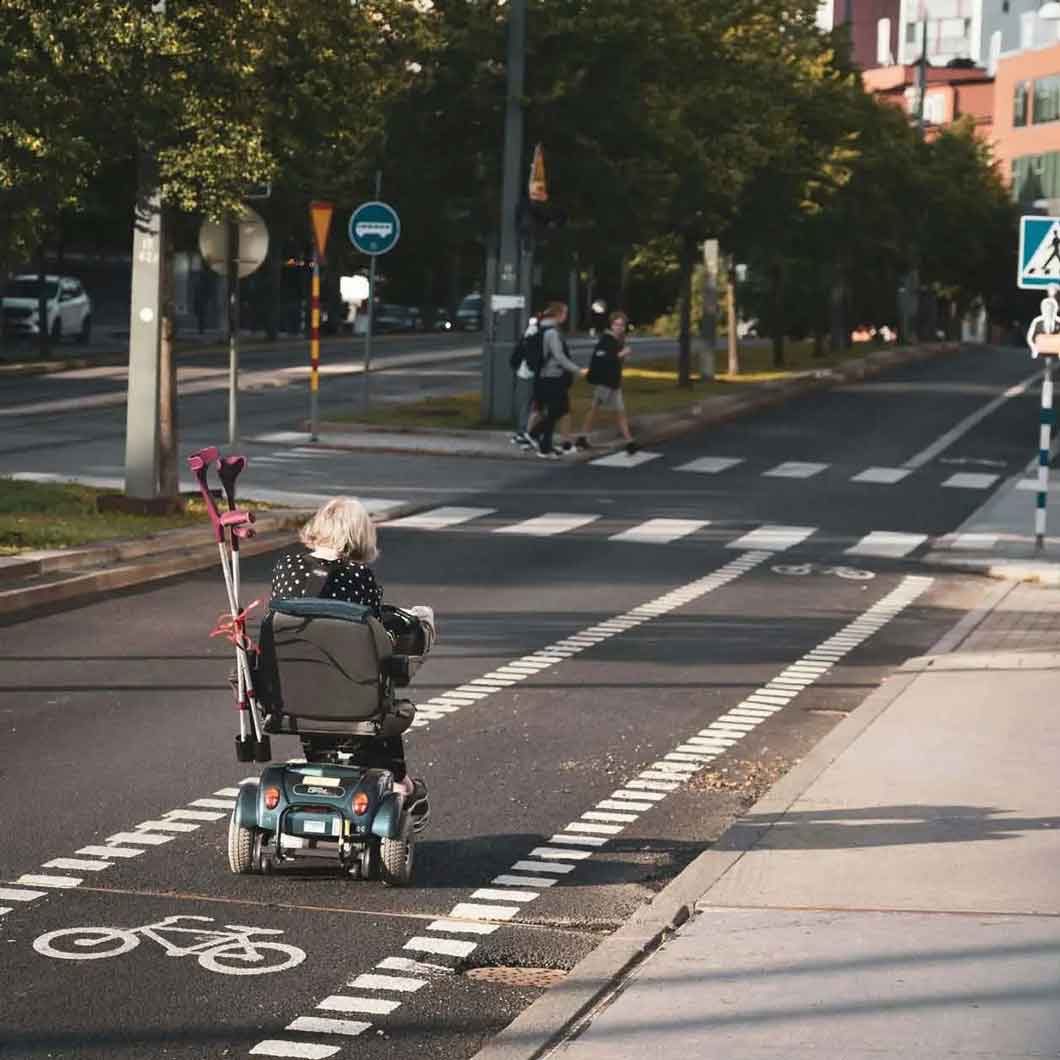
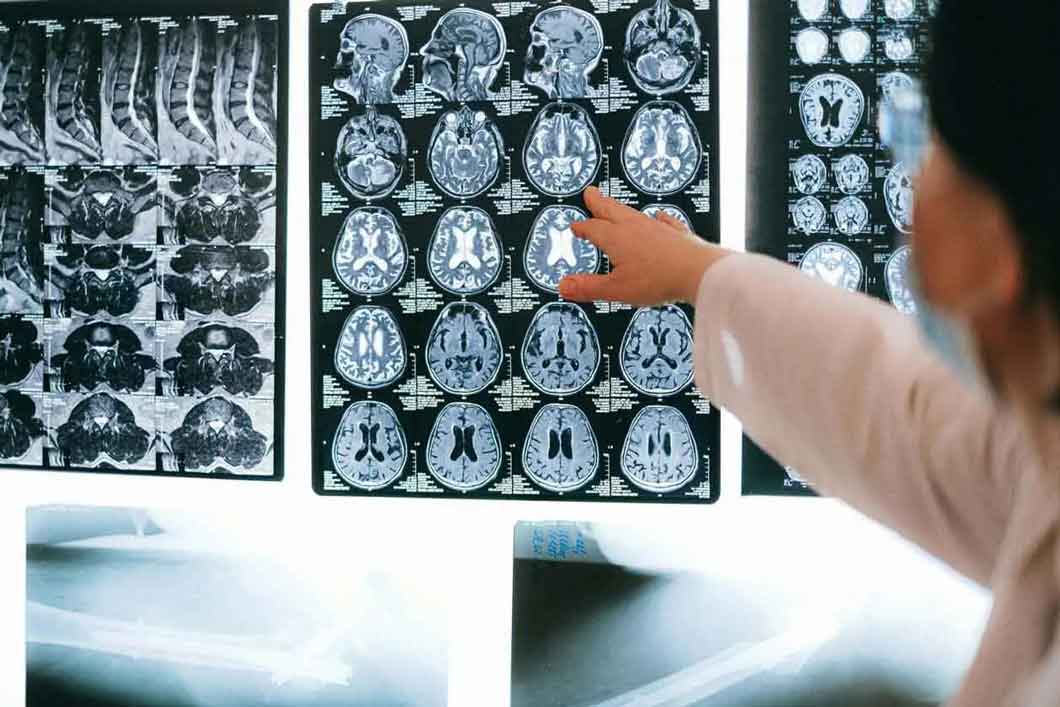
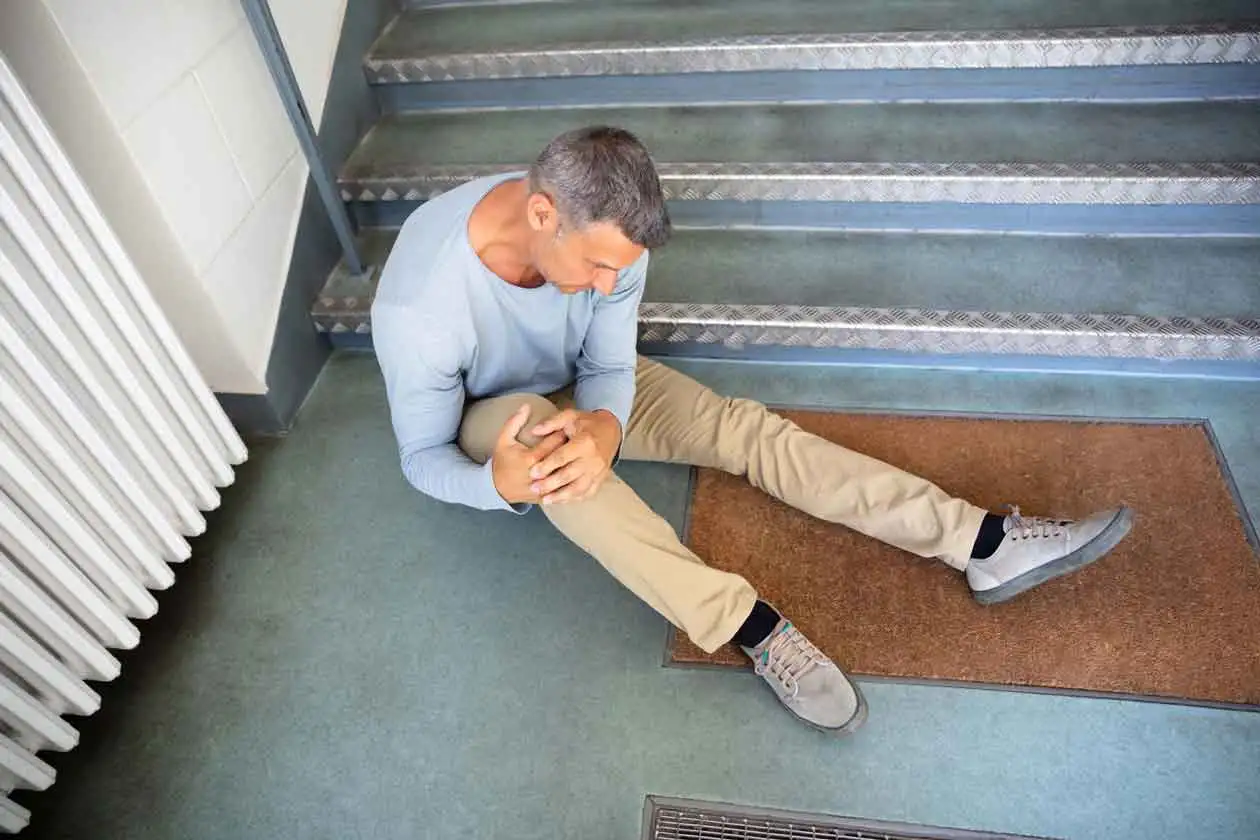




















- Municipal Negligence Slip and Falls
- Falls in Nursing Homes / Elderly Care Facilities
- Poor Lighting or Broken Stairs Incidents
- Parking Lot Slip and Falls
- Wet Floor Accidents (restaurants, malls, public restrooms)
- Slip and Fall in Apartment Buildings / Condos
- Slip and Fall in Stores/Supermarkets
- Slip and Fall on Private Property
- Slip and Fall on Public Property
- Ice & Snow Slip and Falls
You May Have Some Questions
Free consultation
Free consultation
When you suffer an injury on someone else’s property, understanding owner liability becomes crucial for securing fair compensation. Property owners in Ontario have legal obligations to maintain safe premises for visitors, tenants, and the general public. At Affinity Law, our experienced personal injury lawyers help victims navigate complex liability claims and hold negligent property owners accountable.
Property owner liability extends beyond simple negligence. It encompasses a wide range of legal responsibilities under Ontario’s Occupiers’ Liability Act and common law principles. Whether you’ve been injured in a slip and fall accident, dog bite incident, or due to inadequate security, we provide comprehensive legal representation to protect your rights.

Types of injuries
1 Understanding Owner Liability in Ontario
Owner liability refers to the legal responsibility property owners bear for injuries occurring on their premises. This liability stems from the fundamental principle that those who control property must take reasonable care to ensure visitor safety.
The legal framework governing owner liability in Ontario is primarily established through the Occupiers’ Liability Act. This legislation defines the duties owed to different categories of visitors and establishes standards for property maintenance and safety measures.
Property owners cannot simply claim ignorance of dangerous conditions. They have ongoing obligations to inspect their premises, identify potential hazards, and take appropriate corrective action. Failure to meet these obligations can result in significant liability for resulting injuries.
2 Common Owner Liability Scenarios
Understanding typical scenarios where owner liability arises helps injury victims recognize their legal rights and potential claims.
1. Slip and Fall Accidents
Slip and fall accidents represent the most common type of premises liability claim in Ontario. These incidents often result from wet floors, uneven surfaces, inadequate lighting, or defective stairs and walkways.
Property owners must maintain safe walking surfaces and provide adequate warnings about temporary hazards. Regular cleaning schedules, proper drainage, and prompt spill cleanup are essential safety measures.
Winter conditions create additional slip-and-fall risks. Property owners have specific obligations regarding snow and ice removal, particularly in commercial settings where public access is expected.
2. Inadequate Security Claims
Property owners may face liability for criminal acts committed on their premises if they failed to provide adequate security measures. This applies particularly to commercial properties in high-crime areas.
Inadequate security claims often involve assaults, robberies, or sexual attacks that could have been prevented through proper lighting, security personnel, or access controls. The key legal question is whether the criminal act was reasonably foreseeable.
Hotels, apartment buildings, and parking facilities face heightened security obligations due to their vulnerability to criminal activity and the extended time visitors spend on the premises.
3. Dog Bite Incidents
Dog owners face strict liability for injuries caused by their animals under Ontario’s Dog Owners’ Liability Act. This means that proving negligence is often unnecessary in dog bite cases.
Property owners who are not dog owners may still face liability if they knew about a dangerous dog on their premises and failed to take appropriate action. Landlords can be held responsible for tenant dogs in certain circumstances.
The severity of dog bite injuries often results in significant compensation awards, making these cases particularly important for injury victims.
4. Swimming Pool Accidents
Swimming pools create unique liability risks due to the inherent danger of drowning and the attractive nuisance they present to children. Property owners must maintain proper fencing, safety equipment, and supervision.
Pool accidents often involve complex questions about supervision duties, safety equipment maintenance, and access control. Commercial pools face additional regulatory requirements under Ontario’s health and safety legislation.
Residential pool owners cannot simply rely on warning signs or assume that visitors can swim. Active safety measures and proper barriers are essential components of responsible pool ownership.
3 The Occupiers' Liability Act
Ontario’s Occupiers’ Liability Act forms the foundation of premises liability law in the province. This legislation establishes comprehensive standards for property owner obligations and visitor rights.
The Act defines “occupier” broadly, including not just property owners but anyone with control over premises. This can include tenants, property managers, and even contractors in certain situations.
1. Key Provisions and Requirements
The Act requires occupiers to take reasonable care to ensure that persons entering the premises are reasonably safe. This standard applies to both the condition of the premises and activities conducted there.
Reasonable care is an objective standard that considers all relevant circumstances, including the nature of the property, the purpose of the visit, and the visitor’s expected level of caution.
The Act specifically addresses the duties owed to different classes of visitors, though it generally unifies the standard of care at the “common humanity” level for most lawful visitors.
2. Exceptions and Limitations
Certain activities and situations are specifically excluded from the Act’s coverage. These exceptions often relate to recreational activities, rural properties, and specific statutory schemes.
The Act does not eliminate the common law, and some cases may still be governed by traditional premises liability principles. Understanding these distinctions is crucial for effective legal representation.
Contributory negligence remains a significant factor in occupiers’ liability cases, potentially reducing compensation based on the injured party’s carelessness.
Call Us NOW for FREE & Confidential Consultation for Liability in Toronto
Contact us at info@affinity.law or call 647-363-7677 for a free case assessment and consultation.
4 Proving Owner Liability - The Pillars of Your Claim
Successfully proving owner liability requires establishing several key elements through compelling evidence and expert testimony.
1. Establishing Duty of Care
The first step in any premises liability case involves proving that the property owner owed the injured party a legal duty of care. This determination depends on the visitor’s status and the specific circumstances of their presence on the property.
Courts consider factors such as the purpose of the visit, whether the owner benefited from the visitor’s presence, and any explicit or implicit invitations extended to the public.
The duty of care analysis also considers the foreseeability of harm and the relationship between the parties involved.
2. Proving Breach of Duty
Once duty is established, injury victims must demonstrate that the property owner breached their obligations through action or inaction. This often involves showing that reasonable safety measures were not implemented.
Expert testimony frequently plays a crucial role in establishing appropriate safety standards and demonstrating how the defendant’s conduct fell short of these standards.
Documentation of industry standards, building codes, and safety regulations can provide important benchmarks for measuring the adequacy of the owner’s precautions.
3. Causation
Proving that the owner’s breach of duty directly caused the plaintiff’s injuries requires careful analysis of the causal chain. This includes both factual causation (but-for test) and legal causation (proximity and foreseeability).
Pre-existing conditions and alternative causes of injury can complicate causation analysis, requiring thorough medical evidence and expert testimony.
4. Damages
Severe injuries can result in substantial compensation awards. You suffered actual damages as a result of your injuries. This includes quantifiable losses such as medical expenses, lost wages, and rehabilitation costs. It also includes non-quantifiable losses like pain and suffering, loss of enjoyment of life, and loss of amenities.
5 Defenses Against Owner Liability Claims
Property owners and their insurance companies employ various defenses to minimize or eliminate liability in personal injury cases.
1. Contributory Negligence
Contributory negligence represents the most common defense in premises liability cases. This defense argues that the injured party’s carelessness contributed to their accident and injuries.
Under Ontario’s comparative negligence system, compensation is reduced proportionally based on the plaintiff’s degree of fault. Even significant contributory negligence does not eliminate recovery entirely.
Common contributory negligence arguments include failure to watch where one is going, ignoring warning signs, and engaging in inappropriate behavior for the circumstances.
2. Assumption of Risk
The assumption of risk defense applies when injury victims voluntarily encounter known dangers. This defense is particularly relevant in recreational activities and sporting events.
For assumption of risk to succeed, defendants must prove that the plaintiff had actual knowledge of the specific risk and voluntarily chose to encounter it. General awareness of danger is insufficient.
The defense is limited by public policy considerations and cannot excuse gross negligence or deliberate misconduct by property owners.
3. Open and Obvious Dangers
Property owners may argue that dangerous conditions were so obvious that they had no duty to warn visitors or take protective measures. This defense has strict limitations under Ontario law.
The mere fact that a danger is open and obvious does not automatically eliminate liability. Courts consider whether reasonable people might still be injured despite the obvious nature of the hazard.
Weather conditions, distractions, and the reasonable expectations of visitors can overcome the open and obvious danger defense.
6 Specific Property Types and Their Unique Liabilities
Different types of properties face distinct liability challenges based on their use, visitor expectations, and regulatory requirements.
1. Retail and Commercial Properties
Shopping centers, restaurants, and retail stores face extensive liability exposure due to high visitor volumes and commercial activities. These properties must maintain rigorous safety standards and inspection procedures.
Customer safety expectations are particularly high in commercial settings where businesses profit from public access. Courts often apply strict liability standards to commercial property owners.
Common hazards in retail environments include wet floors, defective shopping carts, inadequate lighting in parking areas, and merchandise displays that create walking hazards.
2. Residential Rental Properties
Landlords have specific obligations to tenants and their guests under Ontario’s Residential Tenancies Act and common law principles. These duties include maintaining common areas, ensuring proper security measures, and addressing known hazards.
Tenant injuries in common areas such as stairwells, laundry rooms, and parking areas frequently result in landlord liability. The standard of care is generally higher for common areas under the landlord’s control.
Landlords may also face liability for tenant behavior, particularly regarding dog ownership and activities that create hazards for other tenants or visitors.
3. Hotels and Hospitality Properties
Hotels and similar hospitality businesses face heightened liability standards due to their special relationship with guests. This relationship creates enhanced duties regarding security, premises maintenance, and guest protection.
Hotel liability often extends beyond traditional premises liability to include innkeeper’s liability for guest property and personal safety. Security measures, room safety, and common area maintenance are critical areas of exposure.
Swimming pools, fitness facilities, and parking areas present particular challenges for hotel operators, requiring specialized safety protocols and regular maintenance schedules.
4. Construction Sites and Industrial Properties
Construction sites present unique liability challenges due to constantly changing conditions and inherent dangers. Property owners, contractors, and subcontractors may all face liability for visitor injuries.
Industrial properties often involve hazardous materials, heavy machinery, and specialized safety requirements. These properties typically limit public access but may still face liability for authorized visitors and workers.
Regulatory compliance under Ontario’s Occupational Health and Safety Act is crucial for these properties, and violations can significantly impact liability determinations.
Call Us NOW for FREE & Confidential Consultation for Owner Liability in Toronto
Contact us at info@affinity.law or call 647-363-7677 for a free case assessment and consultation.
7 Time Limitations and Legal Procedures
Understanding procedural requirements and time limitations is crucial for successful premises liability claims in Ontario.
1. Limitation Periods
Most personal injury claims in Ontario must be commenced within two years of the accident date under the Limitations Act. This deadline is strictly enforced, and late claims are typically dismissed regardless of their merit.
The discovery rule may extend limitation periods in cases where injuries or their connection to the accident are not immediately apparent. However, the ultimate limitation period of 15 years still applies.
Claims against municipalities face special notice requirements, typically requiring written notice within 10 days of the accident. Failure to provide proper notice can bar claims entirely.
2. Notice Requirements
Certain types of premises liability claims require specific notice procedures. Municipal claims, claims against hospitals, and some other institutional defendants have unique notice requirements.
Notice must typically include specific details about the accident, the injuries sustained, and the damages claimed. Generic or incomplete notices may be insufficient to preserve legal rights.
Early legal consultation is essential to ensure compliance with all notice requirements and preserve the right to compensation.
3. Evidence Preservation
Prompt evidence gathering is crucial in premises liability cases. Property conditions may change quickly, and crucial evidence can be lost or destroyed if not preserved immediately.
Photographs of the accident scene, witness statements, and incident reports should be obtained as soon as possible after an accident. Delayed evidence gathering can significantly weaken a case.
Property owners have obligations to preserve evidence once they receive notice of a potential claim. Destruction of evidence can result in adverse inferences and sanctions.
8 Damages and Compensation
Premises liability cases can result in substantial compensation awards, particularly in cases involving severe injuries or permanent disabilities.
1. Types of Damages Available
Medical expenses represent a primary component of damages in premises liability cases. This includes both past medical costs and future care requirements based on medical prognosis.
Lost wages and diminished earning capacity can result in significant awards, particularly for younger plaintiffs or those with high-income careers. Economic experts often provide testimony regarding future financial losses.
Pain and suffering damages compensate for physical pain, emotional distress, and loss of enjoyment of life. These damages are often the largest component of compensation in serious injury cases.
2. Factors Affecting Compensation
The severity and permanence of injuries significantly impact compensation amounts. Catastrophic injuries such as brain trauma, spinal cord injuries, and amputations typically result in the highest awards.
The plaintiff’s age, occupation, and pre-accident health status all influence damage calculations. Younger plaintiffs and those with active lifestyles may receive higher pain and suffering awards.
The degree of defendant liability affects compensation through comparative negligence principles. Clear liability cases typically result in full compensation, while cases with significant contributory negligence see reduced awards.
3. Insurance Considerations
Most premises liability claims are covered by the property owner’s liability insurance. However, policy limits may restrict available compensation in cases involving severe injuries.
Understanding insurance coverage is crucial for case valuation and settlement negotiations. Multiple insurance policies may apply in complex cases involving multiple defendants.
Subrogation issues may arise when the injured party’s insurance has paid medical expenses or disability benefits. These liens must be addressed in settlement negotiations.
9 Take the First Step Towards Justice: Contact Affinity Law Today
If you have been injured on someone else’s property in Toronto due to their negligence, do not hesitate. Your immediate actions can significantly impact the success of your claim. The legal deadlines are strict, and evidence can disappear quickly.
Contact Affinity Law today for a free, no-obligation consultation. During this initial meeting, we will:
- Review the details of your incident.
- Assess the potential strength of your owner liability claim.
- Explain your legal rights and options.
- Answer all your questions about the legal process and potential compensation.
There is no risk in speaking with us. We are here to provide clarity and guidance during a difficult time. Let our experienced personal injury lawyers put their expertise to work for you. We are committed to achieving the best possible outcome for your case.
Call us now or fill out our online contact form to schedule your free consultation. Let Affinity Law be your advocate for justice.
Call Us NOW for FREE & Confidential Consultation for Owner Liability in Toronto
Contact us at info@affinity.law or call 647-363-7677 for a free case assessment and consultation.
You May Have Some Questions
Free consultation
Free consultation


Got Questions?
Talk to a lawyer now
Share your details today to get started. Our team will review your situation and reach out quickly. Submitting this form does not create a lawyer–client relationship with Affinity Law, but all information you provide will be kept strictly confidential.
Get legal evaluation Form
Prefer not to use the form? You can reach us even faster by phone or text. Click to call now: 844-786-5291 or click here to text us now.