This week only: Reduced Legal Fees

phone-icon

Call us today +1 (844) 786-5291

Practice Areas / Personal Injury & Disability / Post-Concussive Syndrome

Personal Injury & Disability

Free consultation

Free consultation

Name(Required)

Post-concussion syndrome affects thousands of Canadians every year. Many victims don’t realize they have legal rights. At Affinity Law, we understand the devastating impact of post-concussion syndrome on your life, work, and family.

Our experienced brain injury lawyers fight for the compensation you deserve. We have helped countless clients in Toronto and across Ontario recover damages for their long-term effects of concussion. Your recovery is our priority.

Call for a free consulatation

Book Appointment arrow

Types of injuries

1 Understanding Post-Concussion Syndrome

Post-concussion syndrome is a complex medical condition. It occurs after a traumatic brain injury, even from seemingly minor head impacts. Symptoms can persist for weeks, months, or even years after the initial injury.

The condition affects your cognitive abilities, emotional state, and physical health. Many victims experience memory problems, concentration difficulties, and persistent headaches. Sleep disturbances and mood changes are also common.

Medical professionals often struggle to diagnose post-concussion syndrome. Standard imaging tests may appear normal despite significant symptoms. This makes it challenging to prove your condition in legal proceedings.

Our brain injury lawyer team works with leading medical experts. We ensure your condition is properly documented and understood. This medical evidence forms the foundation of your legal claim.

1- Common Causes of Post-Concussion Syndrome

Motor vehicle accidents are the leading cause of post-concussion syndrome in Ontario. Even low-speed collisions can cause significant brain trauma. Whiplash often accompanies concussions in car accidents.

Workplace accidents frequently result in head injuries. Construction sites, factories, and offices all present risks. Slip and fall accidents can cause serious concussions.

Sports-related injuries are increasingly recognized as causes of long-term brain damage. Hockey, football, and soccer players face particular risks. Recreational activities like cycling and skiing also pose dangers.

Assault and battery cases often involve head trauma. Domestic violence situations frequently result in brain injuries. Criminal acts can lead to both criminal and civil legal actions.

2- Recognizing the Symptoms

Post-concussion syndrome symptoms vary significantly between individuals. Physical symptoms include persistent headaches, dizziness, and fatigue. Sensitivity to light and noise is common. Balance problems may affect your daily activities.

Cognitive symptoms impact your thinking abilities. Memory problems make it difficult to remember recent events. Concentration issues affect work performance and daily tasks. Processing speed decreases, making simple decisions challenging.

Emotional symptoms can be devastating for families. Irritability and mood swings strain relationships. Depression and anxiety often develop months after the injury. Personality changes may alter your fundamental character.

Sleep disturbances compound other symptoms. Insomnia prevents proper healing and recovery. Excessive sleeping can also occur. Sleep quality often remains poor even with adequate duration.


2 Legal Rights and Options in Ontario

Ontario law provides several avenues for post-concussion syndrome victims to seek compensation. Understanding your legal rights is essential for protecting your future. Different types of claims may apply depending on your specific circumstances.

Personal injury lawsuits allow you to seek damages from responsible parties. These claims can recover compensation for medical expenses, lost income, and pain and suffering. Success depends on proving negligence or fault.

Statutory accident benefits provide immediate support regardless of fault. These no-fault benefits include medical coverage, income replacement, and rehabilitation funding. Benefit levels depend on your specific policy and circumstances.

Long-term disability claims through employer benefits or private insurance may apply. These benefits replace a portion of lost income during recovery. Approval often requires extensive medical documentation.

Workers’ compensation coverage applies to workplace injuries. These benefits include medical coverage and wage replacement. Return-to-work programs may be available for gradual recovery.

Proving Your Case

Successful post-concussion syndrome claims require comprehensive medical evidence. Neuropsychological testing documents cognitive impairments and functional limitations. Expert medical opinions establish the connection between your injury and ongoing symptoms.

Witness testimony from family, friends, and coworkers supports your claim. These individuals can describe personality changes and functional difficulties. Employment records demonstrate work-related impacts.

Financial documentation proves economic losses and future needs. Tax returns establish pre-injury income levels. Medical bills and receipts show treatment costs. Life care planning estimates future expenses.

Expert testimony from medical professionals, vocational experts, and economists strengthens your case. These professionals explain complex medical concepts to judges and juries. They quantify damages in monetary terms.

Call us NOW for FREE Consultation for Post-Concussive Syndrome Claim in Toronto

Contact us at [email protected] or call 647-496-1895 for a FREE consultation.

3 The Claims Process Explained

Understanding the claims process helps you make informed decisions about your case. Each step requires careful attention to legal deadlines and procedural requirements. Professional legal representation ensures nothing is overlooked.

Initial consultation involves a comprehensive case evaluation. We review your medical records, insurance policies, and accident circumstances. Potential claims and damages are identified and explained.

Medical assessment coordination ensures proper documentation of your condition. Independent medical examinations may be required by insurance companies. We prepare you for these evaluations and attend when possible.


Document collection includes gathering all relevant records and evidence. Medical files, employment records, and financial documents support your claim. Witness statements are obtained and preserved.

Claim submission involves preparing detailed applications and supporting documentation. Legal arguments are crafted to maximize compensation potential. Deadlines are carefully tracked and met.

Dealing with Insurance Companies

Insurance companies often dispute post-concussion syndrome claims. They may argue that symptoms are pre-existing or unrelated to the accident. Sophisticated defense strategies require experienced legal representation.

Surveillance activities are commonly used against brain injury claimants. Insurance investigators may follow you and record your activities. Understanding these tactics helps protect your claim.

Independent medical examinations are frequently requested by insurers. These examinations may attempt to minimize your injuries. Proper preparation is essential for protecting your interests.

Settlement negotiations require skilled advocacy and legal knowledge. Insurance companies often make inadequate initial offers. Our experience ensures you receive fair compensation.

4 Compensation Available for Post-Concussion Syndrome

Post-concussion syndrome victims may be entitled to various types of compensation. Understanding available damages helps set realistic expectations for your case. Different funding sources may apply simultaneously.

Economic damages compensate for financial losses resulting from your injury. Past and future medical expenses are recoverable from the responsible parties. Lost income includes both wages and employment benefits.

Future care costs may be substantial in severe cases. Ongoing medical treatment, therapy, and support services require funding. Life care planning helps estimate these expenses accurately.

Non-economic damages compensate for intangible losses like pain and suffering. Quality of life impacts are considered in damage calculations. Family relationship changes may warrant additional compensation.

Punitive damages may apply in cases involving extreme negligence or misconduct. These damages punish wrongdoers and deter similar behavior. Ontario law limits punitive damage awards in most cases.

Calculating Your Claim Value

Accurate claim valuation requires comprehensive damage assessment. Medical experts evaluate the severity and permanence of your condition. Vocational experts assess work capacity and earning potential.

Economic analysis quantifies all financial losses and future needs. Present value calculations account for inflation and investment returns. Life expectancy considerations affect long-term projections.

Comparable case results provide valuation benchmarks for similar injuries. Ontario court decisions establish compensation ranges for post-concussion syndrome. Settlement databases track industry trends.

Insurance policy limits may restrict available compensation. Understanding coverage amounts helps manage expectations. Multiple policies may provide additional recovery options.

5 Common Challenges in Post-Concussion Cases

Post-concussion syndrome cases present unique legal and medical challenges. Invisible symptoms make these cases difficult to prove in court. Insurance companies frequently dispute the severity and duration of symptoms.

Causation issues arise when symptoms appear weeks or months after the accident. Pre-existing conditions may complicate medical evaluations. Multiple potential causes require careful investigation and analysis.

Credibility concerns affect cases where objective testing appears normal. Malingering allegations are common defense strategies. Strong medical evidence and witness testimony counter these challenges.

Litigation duration can be extensive in complex brain injury cases. Discovery processes require detailed medical and employment record review. Expert witness preparation takes considerable time and resources.

Overcoming Defense Strategies

Insurance defense lawyers use sophisticated strategies to minimize post-concussion syndrome claims. Understanding these tactics helps prepare effective counterarguments. Experienced legal representation is essential for success.

Surveillance evidence may be used to contradict claimed limitations. Activities performed on good days are highlighted while bad days are ignored. Context and medical explanations counter these misleading presentations.

Social media monitoring has become standard practice for insurance companies. Posted photographs and comments may be taken out of context. Privacy settings and careful posting protect your interests.

Independent medical examinations may attempt to minimize your injuries. Defense-oriented doctors may have biased opinions. Preparation and proper medical advocacy protect your rights.

Call us NOW for FREE Consultation for Post-Concussive Syndrome Claim in Toronto

Contact us at [email protected] or call 647-496-1895 for a FREE consultation.

6 Time Limits and Legal Deadlines

Ontario law imposes strict time limits for filing post-concussion syndrome claims. Missing these deadlines can permanently bar your right to compensation. Understanding applicable limitation periods is crucial for protecting your rights.

Personal injury lawsuits must be commenced within two years of the accident date. This deadline applies regardless of when symptoms first appear. Limited exceptions exist for cases involving mental incapacity.

Statutory accident benefit claims have shorter deadlines for specific benefits. Medical and rehabilitation benefit applications must be submitted within specific timeframes. Income replacement benefits require prompt notification.

Notice requirements vary depending on the type of claim and the defendant involved. Government entities require formal notice within specific periods. Healthcare providers and municipalities have special notice provisions.

Appeal deadlines for denied benefits are strictly enforced. Dispute resolution processes have mandatory timelines. Legal representation ensures all deadlines are met properly.

Protecting Your Rights

Immediate legal consultation protects your rights from the beginning. Early investigation preserves crucial evidence before it disappears. Witness memories remain fresh when statements are obtained promptly.

Medical documentation should begin immediately after your accident. Consistent treatment creates a strong medical record supporting your claim. Gaps in treatment may weaken your case.

Insurance notification requirements must be met promptly. Delay in reporting may provide grounds for benefit denial. Proper notification protects your coverage rights.

Evidence preservation is crucial in post-concussion syndrome cases. Photographs, accident reports, and medical records must be secured. Electronic evidence may be lost without prompt action.

7 Working with Medical Experts

Medical expert testimony is essential in post-concussion syndrome cases. These professionals explain complex neurological concepts to judges and juries. Their opinions often determine case outcomes.

Neurologists specialize in brain and nervous system disorders. They diagnose post-concussion syndrome and prescribe treatment protocols. Their testimony establishes medical causation and prognosis.

Neuropsychologists conduct detailed cognitive testing and evaluation. They quantify intellectual impairments and functional limitations. Their reports document objective evidence of brain injury.

Rehabilitation specialists assess treatment needs and recovery potential. They develop comprehensive care plans for optimal outcomes. Their testimony supports future care cost estimates.

Life care planners estimate lifetime medical and support needs. They work with medical teams to project future requirements. Their reports quantify damages for settlement or trial.

Building Strong Medical Evidence

Comprehensive medical documentation strengthens your case significantly. Regular treatment with qualified specialists demonstrates an ongoing need for care. Consistent symptoms reported across multiple providers support credibility.

Neuropsychological testing provides objective evidence of cognitive impairments. Baseline testing, when available, shows pre-injury function levels. Serial testing demonstrates improvement or deterioration over time.

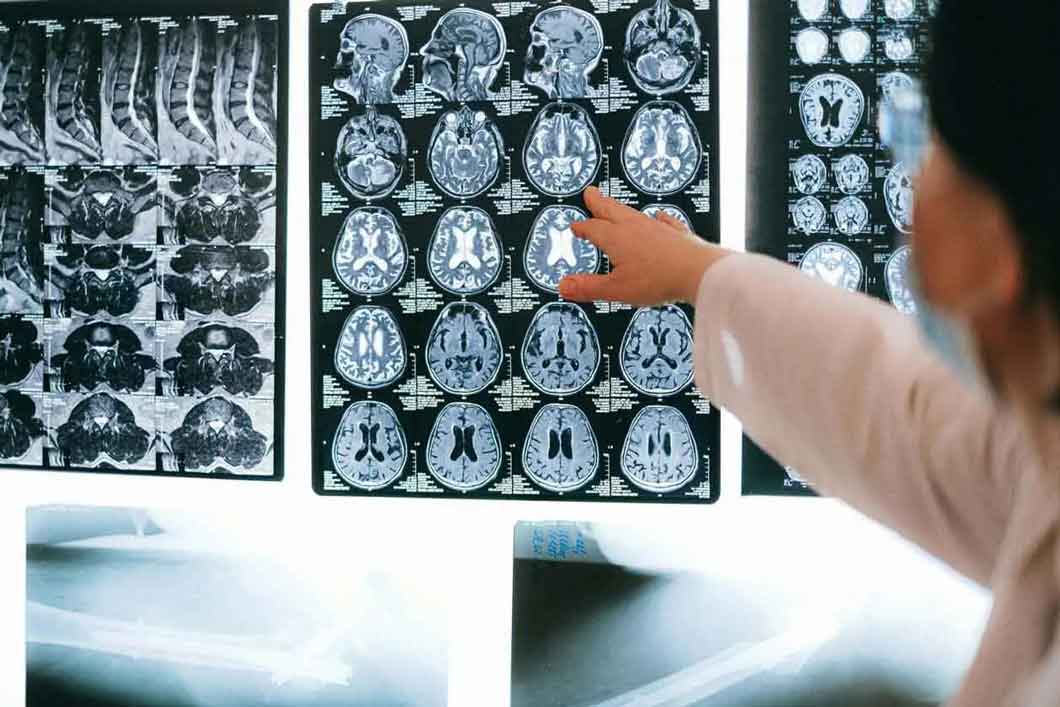
Imaging studies may reveal subtle brain changes supporting your diagnosis. Advanced techniques like DTI and SPECT scans detect microscopic injuries. Normal CT and MRI scans don’t rule out post-concussion syndrome.

Treatment response documentation shows medical necessity and effectiveness. Failed treatments demonstrate the challenging nature of your condition. Successful interventions support ongoing care needs.

8 Getting Started with Your Claim

Taking action promptly protects your legal rights and maximizes compensation potential. Affinity Law provides free initial consultations for all potential clients. We evaluate your case and explain your legal options.

Gathering initial documentation helps us assess your case quickly. Medical records, accident reports, and insurance policies provide essential information. Employment records show income and benefit losses.

Case evaluation includes reviewing all potential claims and defendants. We identify insurance coverage and policy limits. Damage assessment begins with initial medical review.

Retainer agreements outline our legal services and fee arrangements. Contingency fee structures mean you pay nothing unless we recover compensation. All case expenses are advanced by our firm.

What to Expect During Your Case

Regular communication keeps you informed throughout the legal process. Monthly updates detail case progress and important developments. We explain legal concepts and procedures in understandable terms.

Medical coordination ensures you receive appropriate treatment and evaluation. We arrange specialist consultations and independent assessments. Insurance pre-authorizations are handled efficiently.

Discovery processes involve detailed information exchange with opposing parties. We handle all legal requirements while protecting your privacy. Depositions and examinations are carefully prepared.

Settlement negotiations focus on maximizing your compensation recovery. We have extensive experience with insurance companies and defense lawyers. Trial preparation ensures strong advocacy if the settlement fails.

Contact Affinity Law today to discuss your post-concussion syndrome case. Our experienced brain injury lawyers are ready to fight for the compensation you deserve. Don’t let time limits expire while you struggle with the long-term effects of a concussion.

Schedule your free consultation by calling our Toronto office or completing our online contact form. We serve clients throughout Ontario and are committed to achieving the best possible outcome for your case. Your recovery and future security are our priorities.

9 Why Choose Affinity Law for Your Case

Affinity Law specializes in complex brain injury cases throughout Toronto and Ontario. Our experienced legal team understands the unique challenges of post-concussion syndrome claims. We have recovered millions in compensation for our clients.

Our brain injury lawyers work exclusively with leading medical experts. We maintain relationships with neurologists, neuropsychologists, and rehabilitation specialists. This network ensures your case receives proper medical support.

We understand the financial pressures facing brain injury victims. Our contingency fee arrangements mean you pay nothing unless we win your case. We advance all case expenses during litigation.

Client communication is our priority throughout the legal process. We explain complex legal concepts in understandable terms. Regular updates keep you informed about case progress and important developments.

Call us NOW for FREE Consultation for Post-Concussive Syndrome Claim in Toronto

Contact us at [email protected] or call 647-496-1895 for a FREE consultation.

Free consultation

Free consultation

Name(Required)

Our Stories

[instagram-feed feed=1]