1 What Is the Refugee Appeal Division (RAD)?
The Refugee Appeal Division is a branch of the Immigration and Refugee Board of Canada (IRB) that allows certain individuals to challenge negative RPD decisions. If you believe the RPD’s judgment was legally flawed, factually incorrect, or procedurally unfair, you can appeal a refugee decision Canada through the RAD.
Unlike the initial hearing, the RAD mostly reviews written submissions and does not typically require another in-person appearance. However, the decisions made here, refugee appeal division decisions, carry significant weight. Success can result in overturning a denial and granting protected person status.
Having the assistance of a qualified refugee appeal division lawyer significantly enhances your ability to present a well-prepared legal argument.
2 Who Can Appeal to the Refugee Appeal Division?
You may be eligible to appeal if:
- You were refused refugee status by the RPD.
- You are not subject to an exception (e.g., being a designated foreign national or having a manifestly unfounded claim).
However, not everyone can appeal. For example, if your case was deemed to have “no credible basis,” or involved security concerns, you may have to seek judicial review instead. Our lawyers will evaluate your eligibility before initiating the appeal process to the refugee appeal division.
It’s important to act fast, as strict deadlines apply. Failing to appeal within the allotted timeframe may disqualify you from seeking reconsideration. Legal counsel ensures that you meet these deadlines and understand the implications of your refugee appeal division decisions.
3 Grounds for Appealing a Refugee Decision in Canada
To appeal refugee decision Canada, the most common arguments involve:
- Errors in the RPD’s interpretation of the facts
- Unfair assessment of credibility
- Misapplication of legal standards
- Failure to consider critical evidence
- Bias or procedural unfairness
Our lawyers build compelling legal arguments and submit persuasive written records to challenge refugee appeal division decisions effectively. We meticulously review the original RPD decision and supporting transcripts to identify missteps, inconsistencies, and errors of law. If applicable, we gather new evidence and prepare a strategic legal memorandum to submit before the refugee appeal division.
Contact us at info@affinity.law or call 647-496-1895 for a FREE case assessment and consultation.
4 Understanding the Refugee Appeal Division Process
The appeal process before the Refugee Appeal Division involves several steps:
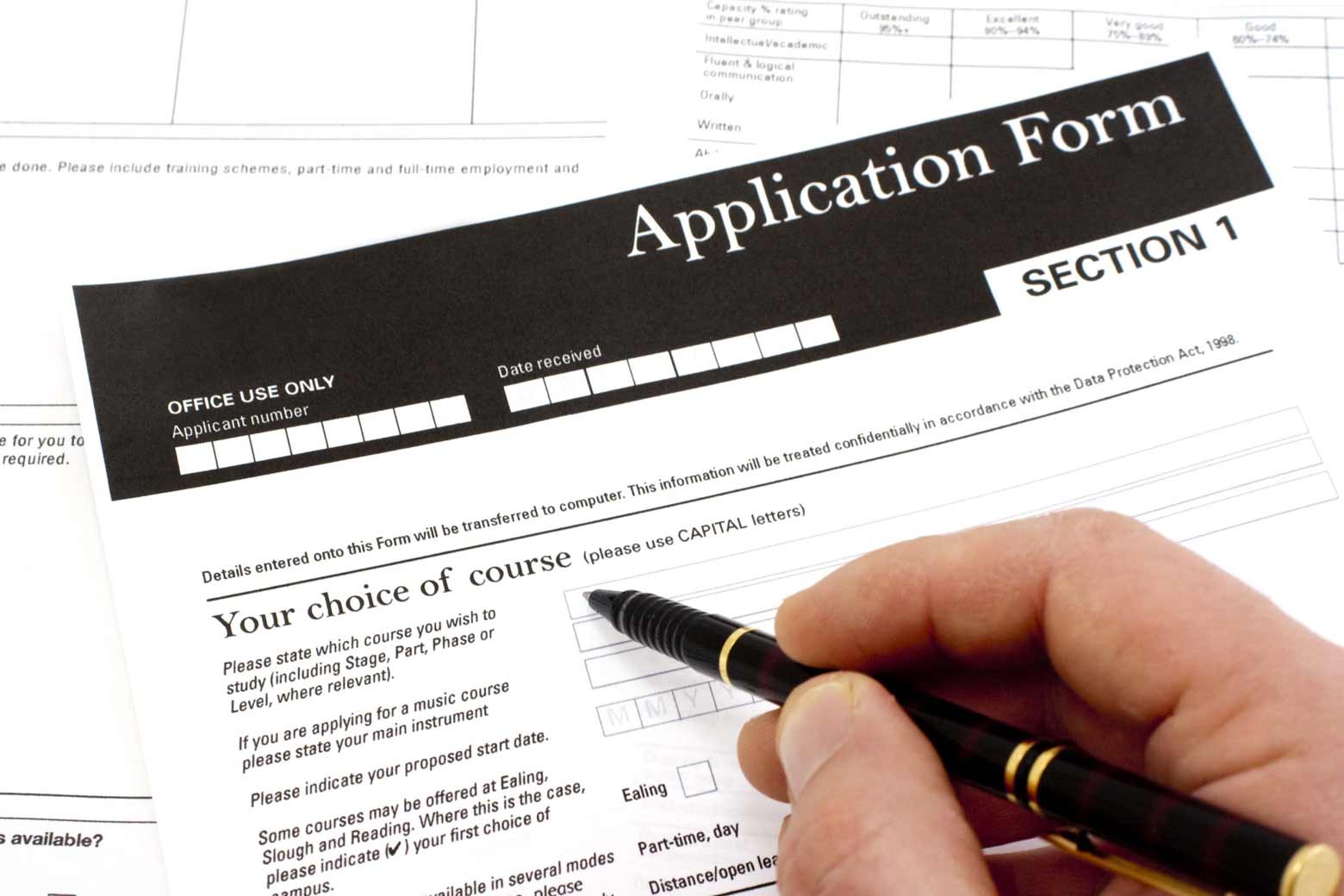
Step 1: File a Notice of Appeal
You must submit a Notice of Appeal within 15 calendar days of receiving the RPD’s decision.
Step 2: Submit the Appellant’s Record
Within 30 days of receiving written reasons, you must file an Appellant’s Record. This includes your affidavit, legal submissions, and supporting evidence to contest the refugee appeal division decisions.
Step 3: Possible Hearing
Although most appeals are paper-based, the RAD may call for an oral hearing if there are serious credibility issues or new evidence not previously available.
The appeal is usually decided based on written arguments, which makes legal representation critical. In every case, we follow a rigorous internal process to ensure that documentation is complete, that timelines are met, and that every angle of appeal is explored and properly argued before the refugee appeal division.
5 Refugee Appeal Processing Time
The refugee appeal processing time varies depending on case complexity and workload of the IRB. While the IRB aims to resolve most appeals within 90 to 180 days, some appeals take over a year. Delays may occur if new evidence is submitted or hearings are held. Our team works proactively to minimize the refugee appeal processing time through thorough documentation and timely submissions.
In urgent cases, especially where removal is imminent, our lawyers may also assist in applying for a stay of removal pending the RAD’s decision. Understanding and managing the refugee appeal processing time is critical to ensuring your safety and continuity in Canada. We keep our clients informed of timelines, legal updates, and procedural shifts that may affect their cases.
6 Legal Strategies for Refugee Appeal Division Decisions
Challenging a decision from the RPD involves dissecting its legal and factual errors. Our lawyers examine the full decision record, identify discrepancies, and draft an appellate brief that clearly outlines why the refugee appeal division decisions should be overturned. This is essential to winning an appeal of a refugee decision in Canada.
We also help gather and submit any fresh evidence under Rule 29 of the RAD Rules—only admissible if the evidence is new, material, and couldn’t have been obtained before. Whether we are arguing based on flawed reasoning, factual omissions, or unlawful procedures, our legal strategy is tailored to your unique circumstances.
Our approach focuses on positioning your case in the most favourable light. We explore comparative cases, legal precedents, and country-specific risks. Our written submissions are methodically constructed, citing relevant jurisprudence to maximize your chances of success with the Refugee Appeal Division.
7 When the Refugee Appeal Division May Hold a Hearing
Although the refugee appeal division typically works in writing, it may schedule a hearing if:
- The appeal relies on new evidence
- There are credibility issues
- There are gaps in the RPD’s reasoning
If a hearing is granted, we prepare you thoroughly for questioning, ensuring your testimony is clear and consistent. Oral hearings may become pivotal, especially when new facts come to light that were unavailable during the initial RPD review. We assist clients in framing their oral submissions in alignment with written arguments to preserve consistency and legal coherence.
8 Outcomes of Refugee Appeal Division Decisions
The refugee appeal division decisions can result in:
- Rejection of the appeal
- Substitution of the RPD’s decision (granting you protected status)
- Referral of your case back to the RPD for a new hearing
Each of these outcomes significantly affects your immigration future in Canada. A successful appeal refugee decision Canada means no further hearings are needed—you gain immediate status as a protected person. If the RAD refers your case back to the RPD, we will continue to represent and prepare you for the rehearing.
A loss at the RAD stage may not mean the end. There may still be an opportunity to apply for judicial review with the Federal Court. We guide you through each possible path post-refugee appeal division decisions, offering comprehensive post-decision planning.
Contact us at info@affinity.law or call 647-496-1895 for a FREE case assessment and consultation.
9 Federal Court Review After a Denied Appeal
If the refugee appeal division decisions are unfavorable, you still have the option to request leave and judicial review in Federal Court. Affinity Law assists with preparing your judicial review request, ensuring the Court understands why your case deserves another chance.
Federal Court reviews focus on whether the RAD made a reasonable decision or committed a legal error. While this route is more complex and requires special permission to proceed, our lawyers have extensive experience handling such reviews. We offer a realistic assessment of your chances and craft persuasive legal arguments for judicial oversight.
10 How Affinity Law Can Help You Appeal a Refugee Decision in Canada
Our firm offers:
- Deep knowledge of refugee law and refugee appeal division procedures
- Precise drafting of legal submissions and Appellant’s Records
- Strategic preparation for oral hearings when necessary
- Constant monitoring to reduce refugee appeal processing time
- Post-decision support, including judicial review
We understand that behind every case is a human story involving real fear, loss, and hope. That’s why we bring personalized attention and unwavering dedication to every appeal refugee decision Canada we handle. With extensive experience handling refugee matters, our legal team remains up to date on evolving case law, procedural changes, and humanitarian considerations that may influence your claim.
11 Final Thoughts
Time is critical when appealing refugee decisions in Canada. Every day matters—delays in filing can eliminate your right to appeal. With Affinity Law by your side, you gain seasoned legal expertise and a team genuinely committed to your protection.
We guide you through each step of the refugee appeal division process, help you challenge flawed decisions, and shorten your refugee appeal processing time with fast, accurate filings. If you’re ready to appeal a refugee decision in Canada, we’re here to help.
12 Contact Affinity Law Today
Your future in Canada deserves a second chance. Let our Toronto immigration lawyers help you win your appeal at the Refugee Appeal Division.
Call now or book your consultation today.
Contact us at info@affinity.law or call 647-496-1895 for a FREE case assessment and consultation.