This week only: Reduced Legal Fees

phone-icon

Call us today +1 (844) 786-5291

Practice Areas / Immigration Law / Admissibility Hearings (Criminal, Misrepresentation, Medical)

Immigration Law

Free consultation

Free consultation

Name(Required)

At Affinity Law, we recognize that Immigration Admissibility Hearings are not merely legal appointments they are defining moments that can significantly alter the course of your life. Whether you’re a permanent resident at risk of deportation or a foreign national facing barriers to entry, these proceedings carry immense legal and personal consequences. A negative decision can result in removal from Canada, long-term bans, or the loss of permanent resident status.

Our legal team in Toronto is well-versed in navigating the Admissibility Hearing Process, which requires in-depth knowledge of Canadian immigration law, evidence procedures, and the unique factors involved in each case. From receiving a Notice to Appear to preparing comprehensive legal submissions, we manage every detail to ensure our clients are fully prepared and represented.

Many individuals face Immigration Admissibility Hearings due to criminal allegations, past misrepresentation, or challenges related to Immigration and Medical Admissibility. Our firm understands how these issues intersect with the law and your personal history. We build strong legal strategies that incorporate case law, factual context, and supporting documentation.

When your future in Canada is on the line, you need a legal partner that delivers results. Trust Affinity Law to guide you through the Admissibility Hearing Process with diligence, expertise, and care.

Call for a free consulatation

Book Appointment arrow

Immigration law

1 What Are Immigration Admissibility Hearings?

Immigration Admissibility Hearings are formal legal proceedings conducted by the Immigration Division (ID) of the Immigration and Refugee Board (IRB). These hearings determine whether a person is inadmissible under the Immigration and Refugee Protection Act (IRPA) and thus subject to removal or denial of entry.

 The Admissibility Hearing Process is triggered when the Canada Border Services Agency (CBSA) alleges that an individual should not be permitted to enter or remain in Canada.

Grounds for Immigration Admissibility Hearings often include:

  • Criminal convictions, both domestic and foreign
  • Misrepresentation, including omissions or false statements in immigration applications
  • Immigration and Medical Admissibility concerns due to health-related issues that may pose a burden or threat

These hearings are not informal interviews—they are legal proceedings governed by rules of evidence, legal submissions, and adversarial argumentation. A Member (judge) from the IRB listens to arguments from both the CBSA and the respondent (you), evaluates the evidence, and renders a decision on admissibility.

2 The Admissibility Hearing Process: Detailed Breakdown

Understanding the Admissibility Hearing Process is essential for any person facing immigration enforcement action in Canada. The process typically unfolds in the following stages:

1. The Section 44 Report

The CBSA initiates the Immigration Admissibility Hearing by preparing a “Section 44 Report,” which outlines the allegations of inadmissibility under the IRPA. The report specifies the section of the law that the person is alleged to have violated, such as criminality (s.36), misrepresentation (s.40), or medical inadmissibility (s.38).

2. Referral to the Immigration Division

If an officer believes the allegations are well-founded, the case is referred to the Immigration Division. A hearing date is set, and a Notice to Appear is sent to the person concerned.

3. Disclosure and Evidence Preparation

Both parties must disclose evidence in advance. For the person facing the hearing, this includes any documentation, affidavits, expert reports, and witness statements that will be presented to rebut the CBSA’s case. Our lawyers conduct a full legal review and prepare all documents to support your defence, particularly in Immigration and Medical Admissibility cases where thorough documentation is critical.

4. The Hearing

During the hearing, the CBSA presents its case first. This includes testimony from officers and introduction of evidence. Then, your lawyer will cross-examine CBSA witnesses, introduce your own evidence, and make legal submissions. The Admissibility Hearing Process is not just about the facts but also about how legal rules and precedents are applied to those facts.

5. The Decision

After hearing both sides, the IRB Member will either render a decision orally at the end of the hearing or reserve judgment and issue a written decision later. If you are found inadmissible, the consequences can include removal from Canada, a ban on reentry, or loss of permanent residence status.

Contact For Free Consultation for "Admissibility Hearings (Criminal, Misrepresentation, Medical)"

Contact us at [email protected] or call 647-496-1895 for a FREE case assessment and consultation.

3 Criminality and Immigration Admissibility Hearings

Criminal convictions are among the most common reasons for Immigration Admissibility Hearings. Under s.36 of the IRPA, a person may be deemed inadmissible for:

  • A conviction in Canada is punishable by at least 10 years
  • Two or more summary convictions
  • Foreign convictions equivalent to Canadian indictable offences

Not every conviction automatically results in inadmissibility. The Admissibility Hearing Process allows individuals to present mitigating factors, such as rehabilitation, time elapsed since the offense, family ties in Canada, and humanitarian concerns.

For instance, a DUI conviction might trigger an Immigration Admissibility Hearing, but the outcome depends on whether it qualifies as “serious criminality.” Our lawyers will evaluate whether your conviction matches the Canadian Criminal Code, argue the legal interpretation of equivalency, and present arguments that show you do not pose a threat to Canadian society.

4 Misrepresentation and the Admissibility Hearing Process

Misrepresentation is defined under s.40 of IRPA as directly or indirectly providing false information or withholding material facts. This can include errors in forms, misstatements in interviews, or failure to disclose previous immigration refusals or criminal records.

Facing an Immigration Admissibility Hearing for misrepresentation can result in severe consequences, including:

  • Immediate refusal of applications
  • Five-year inadmissibility ban
  • Revocation of status and removal orders

Our firm helps clients challenge CBSA’s findings by demonstrating:

  • The error was unintentional
  • The omitted information was not material
  • There was no intent to deceive
  • The consequences are disproportionate

The Admissibility Hearing Process in misrepresentation cases is complex. We build a compelling legal argument based on your intent, impact, and procedural fairness.

5 Immigration and Medical Admissibility in Canadian Law

Immigration and Medical Admissibility is governed by s.38 of the IRPA. You may be found inadmissible on medical grounds if:

  • Your health condition is likely to endanger public health or public safety
  • Your condition is likely to place excessive demand on health or social services

Common conditions that raise Immigration and Medical Admissibility issues include:

  • HIV/AIDS
  • Tuberculosis
  • Mental health disorders
  • Chronic diseases requiring ongoing care

However, these determinations are not automatic. The Admissibility Hearing Process allows applicants to submit:

  • Detailed medical reports
  • Private insurance coverage documents
  • Treatment plans
  • Letters from physicians and community supports

At Affinity Law, we have experience crafting persuasive medical narratives that mitigate CBSA’s concerns. We highlight the steps taken to manage the condition, reduce system reliance, and ensure integration into Canadian life without being a public burden.

Contact For Free Consultation for "Admissibility Hearings (Criminal, Misrepresentation, Medical)"

Contact us at [email protected] or call 647-496-1895 for a FREE case assessment and consultation.

6 Legal Representation in Admissibility Hearings

Having an experienced lawyer represent you in the Admissibility Hearing Process is crucial. Immigration law is complex, and IRB hearings can be procedurally rigorous. At Affinity Law, our services include:

  • Detailed legal assessment of CBSA allegations
  • Strategic case planning tailored to your situation
  • Legal submissions supported by immigration case law
  • Preparation of documentary evidence and expert reports
  • Representation at hearings and appeals
  • Guidance on Immigration and Medical Admissibility frameworks

We advocate with knowledge, passion, and precision—defending your right to stay in Canada and protecting your long-term immigration goals.

7 After the Hearing: Appeals and Legal Remedies

If the decision in your Immigration Admissibility Hearing is unfavourable, it does not necessarily end your legal options. Depending on the facts, our lawyers may:

  • Appeal to the Immigration Appeal Division (IAD)
  • Apply for Judicial Review at Federal Court
  • File for a Stay of Removal
  • Submit a Humanitarian and Compassionate (H&C) Application
  • Request Ministerial Relief

We conduct a comprehensive post-decision review to identify errors in law or breaches of natural justice within the Admissibility Hearing Process.

8 Detention and Urgent Immigration Admissibility Hearings

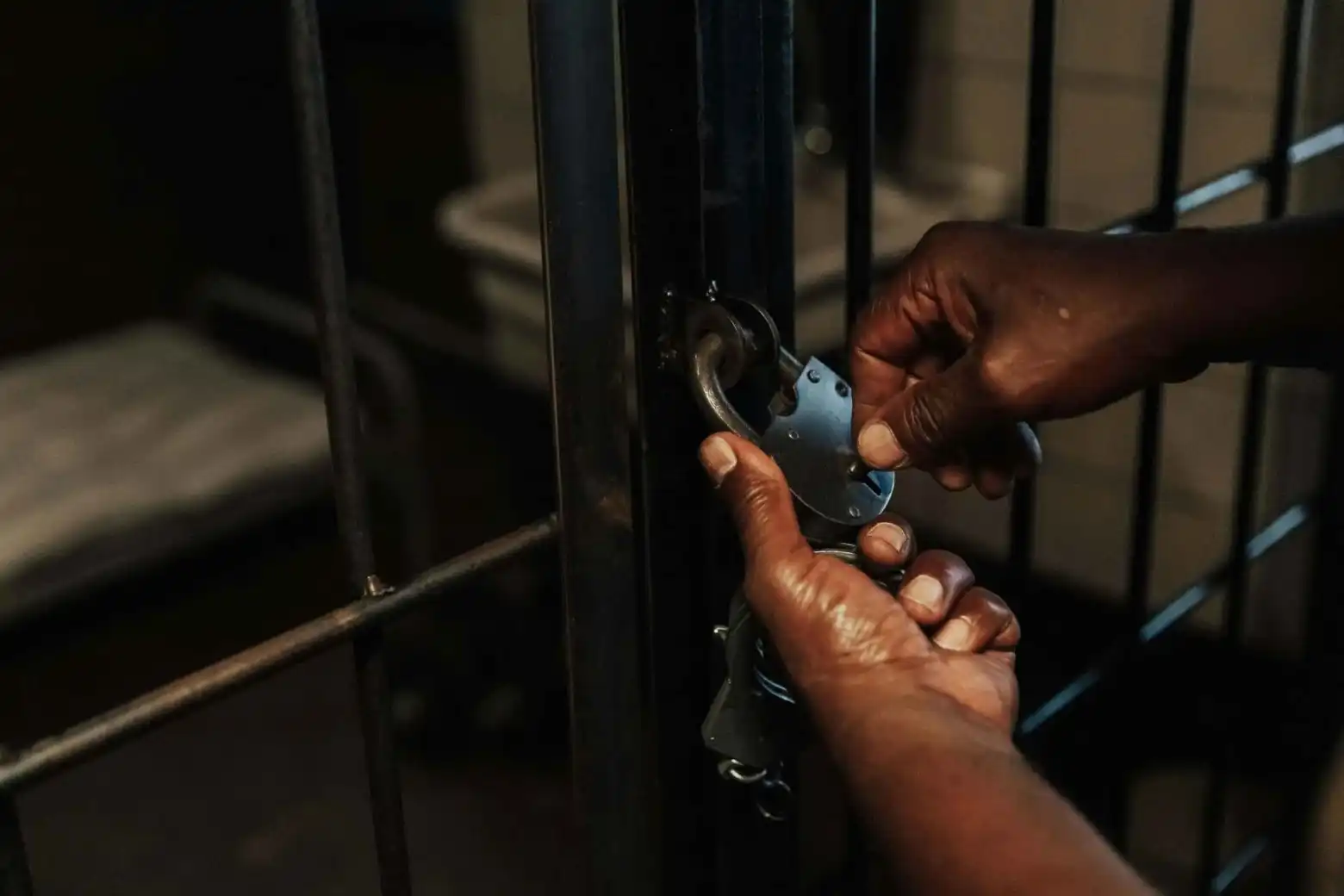
Individuals detained due to criminality or security concerns may face expedited Immigration Admissibility Hearings. These cases are time-sensitive and demand fast, strategic legal action.

Affinity Law provides urgent services including:

  • Immediate filing for detention reviews
  • Requests for release on conditions or bond
  • Coordination with family or sponsors
  • Protection of rights under the Admissibility Hearing Process

We understand that detentions can cause enormous stress. We act quickly and professionally to restore freedom and stability while preparing your defense.

9 Family and Community Impact

Immigration Admissibility Hearings don’t affect only the individual—they disrupt families, threaten jobs, and sever community ties. At Affinity Law, we integrate humanitarian and compassionate elements into your case when applicable.

For example, if removal would separate a parent from a Canadian-born child or result in the loss of medical care for a family member, we highlight these consequences in the Admissibility Hearing Process. Our goal is not just legal compliance, but a human-centred defense strategy.

10 Long-Term Effects of an Adverse Decision

An adverse ruling from the IRB may carry:

  • A five-year bar on immigration
  • Denial of work/study permits
  • Loss of permanent residency or sponsorship rights
  • Serious setbacks in your life plans in Canada

These outcomes are particularly damaging in Immigration and Medical Admissibility and misrepresentation cases. That’s why every Immigration Admissibility Hearing must be taken seriously and handled by professionals.

11 Contact Affinity Law Today

If you or someone you care about is facing an Immigration Admissibility Hearing in Toronto, Affinity Law is here to help. We bring deep expertise, strategic planning, and compassionate support to every stage of the Admissibility Hearing Process, especially in sensitive Immigration and Medical Admissibility matters.

Call us today for a confidential consultation and let us help you protect your future in Canada.

Contact For Free Consultation for "Admissibility Hearings (Criminal, Misrepresentation, Medical)"

Contact us at [email protected] or call 647-496-1895 for a FREE case assessment and consultation.

Free consultation

Free consultation

Name(Required)

You May Have Some Questions

Frequently asked questions

What is an Immigration Admissibility Hearing? toggle icon

 It’s a formal process where the IRB decides if you’re allowed to stay or enter Canada. These Immigration Admissibility Hearings usually involve issues like criminality, misrepresentation, or Immigration and Medical Admissibility.

What are common triggers for the Admissibility Hearing Process? toggle icon

The Admissibility Hearing Process is triggered by criminal convictions, misrepresentation in applications, or medical conditions that may affect public health or create excessive demand on services.

What happens if I lose my Immigration Admissibility Hearing? toggle icon

You may be ordered to leave Canada and face a reentry ban. However, you could appeal or seek a judicial review depending on the outcome of the Admissibility Hearing Process.


What does Immigration and Medical Admissibility mean? toggle icon

Immigration and Medical Admissibility refers to whether your health poses a public risk or could cause excessive demand on Canadian health or social services.

Can I represent myself at the hearing? toggle icon

Yes, but the Admissibility Hearing Process is complex. It’s strongly recommended to have a lawyer represent you for the best chance of success.

What if I made a mistake on my application? toggle icon

Not all errors are considered misrepresentations. A lawyer can argue intent and materiality during your Immigration Admissibility Hearing.

What is an Immigration Admissibility Hearing? toggle icon

 It’s a formal process where the IRB decides if you’re allowed to stay or enter Canada. These Immigration Admissibility Hearings usually involve issues like criminality, misrepresentation, or Immigration and Medical Admissibility.

What are common triggers for the Admissibility Hearing Process? toggle icon

The Admissibility Hearing Process is triggered by criminal convictions, misrepresentation in applications, or medical conditions that may affect public health or create excessive demand on services.

What happens if I lose my Immigration Admissibility Hearing? toggle icon

You may be ordered to leave Canada and face a reentry ban. However, you could appeal or seek a judicial review depending on the outcome of the Admissibility Hearing Process.

What does Immigration and Medical Admissibility mean? toggle icon

Immigration and Medical Admissibility refers to whether your health poses a public risk or could cause excessive demand on Canadian health or social services.

Can I represent myself at the hearing? toggle icon

Yes, but the Admissibility Hearing Process is complex. It’s strongly recommended to have a lawyer represent you for the best chance of success.

What if I made a mistake on my application? toggle icon

Not all errors are considered misrepresentations. A lawyer can argue intent and materiality during your Immigration Admissibility Hearing.

What is an Immigration Admissibility Hearing? toggle icon

 It’s a formal process where the IRB decides if you’re allowed to stay or enter Canada. These Immigration Admissibility Hearings usually involve issues like criminality, misrepresentation, or Immigration and Medical Admissibility.

What are common triggers for the Admissibility Hearing Process? toggle icon

The Admissibility Hearing Process is triggered by criminal convictions, misrepresentation in applications, or medical conditions that may affect public health or create excessive demand on services.

What happens if I lose my Immigration Admissibility Hearing? toggle icon

You may be ordered to leave Canada and face a reentry ban. However, you could appeal or seek a judicial review depending on the outcome of the Admissibility Hearing Process.

What does Immigration and Medical Admissibility mean? toggle icon

Immigration and Medical Admissibility refers to whether your health poses a public risk or could cause excessive demand on Canadian health or social services.

Can I represent myself at the hearing? toggle icon

Yes, but the Admissibility Hearing Process is complex. It’s strongly recommended to have a lawyer represent you for the best chance of success.

What if I made a mistake on my application? toggle icon

Not all errors are considered misrepresentations. A lawyer can argue intent and materiality during your Immigration Admissibility Hearing.

What is an Immigration Admissibility Hearing? toggle icon

 It’s a formal process where the IRB decides if you’re allowed to stay or enter Canada. These Immigration Admissibility Hearings usually involve issues like criminality, misrepresentation, or Immigration and Medical Admissibility.

What are common triggers for the Admissibility Hearing Process? toggle icon

The Admissibility Hearing Process is triggered by criminal convictions, misrepresentation in applications, or medical conditions that may affect public health or create excessive demand on services.

What happens if I lose my Immigration Admissibility Hearing? toggle icon

You may be ordered to leave Canada and face a reentry ban. However, you could appeal or seek a judicial review depending on the outcome of the Admissibility Hearing Process.

What does Immigration and Medical Admissibility mean? toggle icon

Immigration and Medical Admissibility refers to whether your health poses a public risk or could cause excessive demand on Canadian health or social services.

Can I represent myself at the hearing? toggle icon

Yes, but the Admissibility Hearing Process is complex. It’s strongly recommended to have a lawyer represent you for the best chance of success.

What if I made a mistake on my application? toggle icon

Not all errors are considered misrepresentations. A lawyer can argue intent and materiality during your Immigration Admissibility Hearing.

What is an Immigration Admissibility Hearing? toggle icon

 It’s a formal process where the IRB decides if you’re allowed to stay or enter Canada. These Immigration Admissibility Hearings usually involve issues like criminality, misrepresentation, or Immigration and Medical Admissibility.

What are common triggers for the Admissibility Hearing Process? toggle icon

The Admissibility Hearing Process is triggered by criminal convictions, misrepresentation in applications, or medical conditions that may affect public health or create excessive demand on services.

What happens if I lose my Immigration Admissibility Hearing? toggle icon

You may be ordered to leave Canada and face a reentry ban. However, you could appeal or seek a judicial review depending on the outcome of the Admissibility Hearing Process.

What does Immigration and Medical Admissibility mean? toggle icon

Immigration and Medical Admissibility refers to whether your health poses a public risk or could cause excessive demand on Canadian health or social services.

Can I represent myself at the hearing? toggle icon

Yes, but the Admissibility Hearing Process is complex. It’s strongly recommended to have a lawyer represent you for the best chance of success.

What if I made a mistake on my application? toggle icon

Not all errors are considered misrepresentations. A lawyer can argue intent and materiality during your Immigration Admissibility Hearing.

What is an Immigration Admissibility Hearing? toggle icon

 It’s a formal process where the IRB decides if you’re allowed to stay or enter Canada. These Immigration Admissibility Hearings usually involve issues like criminality, misrepresentation, or Immigration and Medical Admissibility.

What are common triggers for the Admissibility Hearing Process? toggle icon

The Admissibility Hearing Process is triggered by criminal convictions, misrepresentation in applications, or medical conditions that may affect public health or create excessive demand on services.

What happens if I lose my Immigration Admissibility Hearing? toggle icon

You may be ordered to leave Canada and face a reentry ban. However, you could appeal or seek a judicial review depending on the outcome of the Admissibility Hearing Process.

What does Immigration and Medical Admissibility mean? toggle icon

Immigration and Medical Admissibility refers to whether your health poses a public risk or could cause excessive demand on Canadian health or social services.

Can I represent myself at the hearing? toggle icon

Yes, but the Admissibility Hearing Process is complex. It’s strongly recommended to have a lawyer represent you for the best chance of success.

What if I made a mistake on my application? toggle icon

Not all errors are considered misrepresentations. A lawyer can argue intent and materiality during your Immigration Admissibility Hearing.

What is an Immigration Admissibility Hearing? toggle icon

 It’s a formal process where the IRB decides if you’re allowed to stay or enter Canada. These Immigration Admissibility Hearings usually involve issues like criminality, misrepresentation, or Immigration and Medical Admissibility.

What are common triggers for the Admissibility Hearing Process? toggle icon

The Admissibility Hearing Process is triggered by criminal convictions, misrepresentation in applications, or medical conditions that may affect public health or create excessive demand on services.

What happens if I lose my Immigration Admissibility Hearing? toggle icon

You may be ordered to leave Canada and face a reentry ban. However, you could appeal or seek a judicial review depending on the outcome of the Admissibility Hearing Process.

What does Immigration and Medical Admissibility mean? toggle icon

Immigration and Medical Admissibility refers to whether your health poses a public risk or could cause excessive demand on Canadian health or social services.

Can I represent myself at the hearing? toggle icon

Yes, but the Admissibility Hearing Process is complex. It’s strongly recommended to have a lawyer represent you for the best chance of success.

What if I made a mistake on my application? toggle icon

Not all errors are considered misrepresentations. A lawyer can argue intent and materiality during your Immigration Admissibility Hearing.

Our Stories